
 ITC (Agri Business Division)
 Thermax (Chemical Division)
 SRF
 DCM Shriram Industries
 Deepak Nitrite
 Gujarat Ambuja Exports
A chemical industry consultant helps entrepreneurs choose, size and plan a chemical manufacturing or formulation plant before they invest. Most of our clients are MSME owners, investors and NRIs weighing options such as adhesives, paints, soaps, fertilisers or industrial gases. NPCS covers twelve project types in this sector, and each one comes with its own process, hazards and approvals. Our team prepares the feasibility study and project report that turns an idea into a plan you can show a bank.
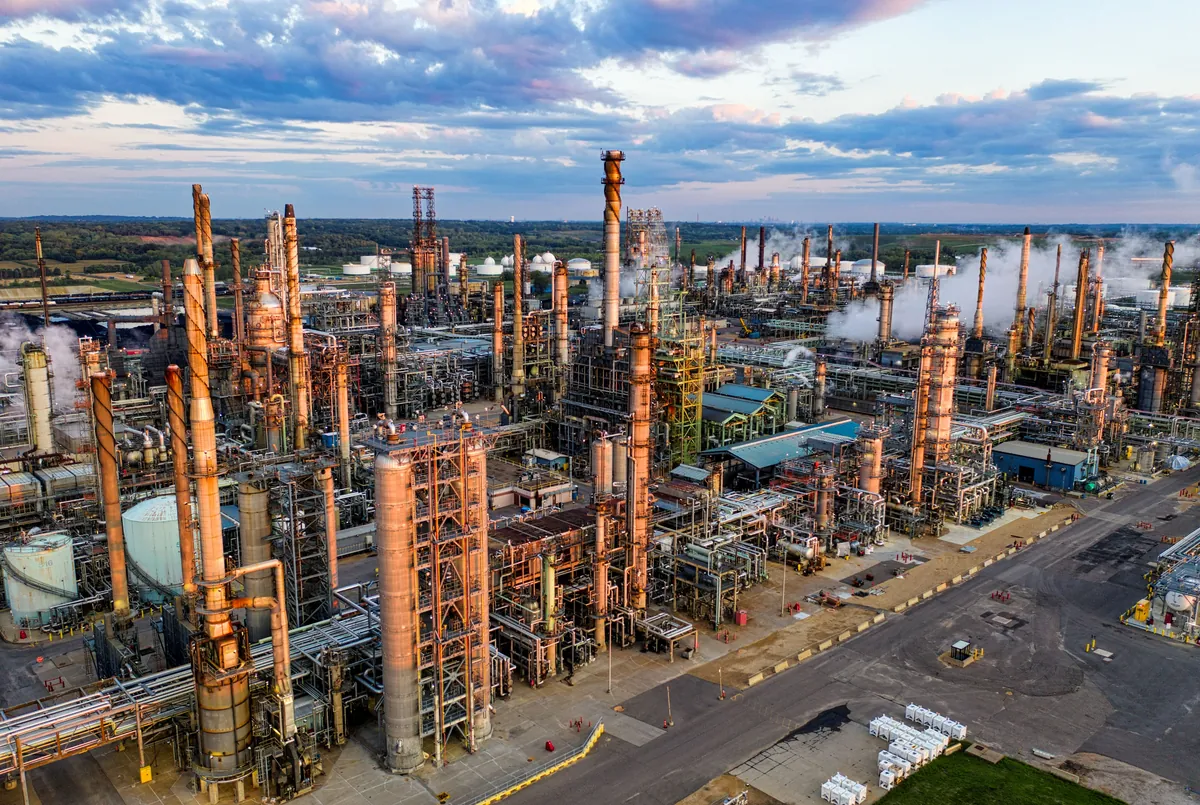
Chemical Industry Opportunity in India
Chemical industry business ideas in India are driven by import substitution, water-treatment build-out, and steady demand from FMCG and agriculture. Reaction-based plants, such as LABSA or NPK, need more capital and tighter compliance. Formulation and blending units, such as disinfectants, are simpler to start.
The sector spans several distinct segments:
Main buyer groups
- Cleaning and personal care: soap, LABSA and disinfectants
- Coatings and bonding: paints, adhesives and sealants
- Agriculture and water: NPK fertilisers and water-treatment chemicals
- Speciality and utility: activated carbon, silica, AdBlue, essential oils and industrial gases
Projects We Advise On
Activated Carbon Plant
Highly porous carbon made by carbonising carbon-rich feedstock and activating it with steam or chemicals; sold for adsorption and purification.
- Main buyers
- Water-treatment companies and municipal bodies; gold-mining firms (export); food, sugar and pharma processors; air-purification OEMs; chemical plants
- Typical capacity
- ~5–30 TPD
Adhesives and Sealants Plant
Manufacturing PVA white glue (Fevicol-type), synthetic rubber and contact adhesives, hot-melts and sealants for woodworking, packaging, footwear, construction and industry.
- Main buyers
- Carpenters and furniture makers via hardware dealers, corrugators and packaging firms, footwear makers, contractors, OEMs
- Typical capacity
- ~1–30 TPD
Paint Manufacturing Plant
Manufacturing decorative and industrial paints, emulsions, enamels, primers, distempers and thinners, by dispersing pigments in binders and solvents, then tinting and filling.
- Main buyers
- Paint dealers and contractors, builders, OEMs, industrial buyers
- Typical capacity
- ~1,000–20,000 KL/year
Soap Manufacturing Plant
Making toilet soaps, laundry soaps and detergent bars from soap noodles, or by saponifying oils with caustic soda, followed by milling, plodding, stamping and packing.
- Main buyers
- Distributors, kirana, modern trade, hotels (amenities), institutional buyers, contract manufacturing for brands
- Typical capacity
- ~1–50 TPD
LABSA (Detergent Acid) Plant
Sulphonating linear alkylbenzene (LAB) with sulphur trioxide or oleum to make LABSA (acid slurry), the main active ingredient in detergent powders, cakes and liquids.
- Main buyers
- Detergent makers (small to large), contract manufacturers, exporters
- Typical capacity
- ~10–100 TPD
Disinfectant Manufacturing Unit
Formulating and bottling disinfectants and cleaners, white and black phenyl, pine disinfectants, floor and toilet cleaners, surface sanitisers, mainly by blending.
- Main buyers
- Distributors, hospitals, railways and hotels (tenders, GeM), facility-management firms, modern trade
- Typical capacity
- ~1–20 KL/day
NPK Fertiliser Plant
Producing complex NPK fertilisers by reacting ammonia and acids with nutrients, or by blending and granulating straight fertilisers, including water-soluble and gel NPK.
- Main buyers
- Farmers via dealers, cooperatives and state federations, horticulture growers, fertigation firms
- Typical capacity
- WSF/blending: ~5–100 TPD; complex plants: 500–3,000+ TPD
Water Treatment Chemicals Plant
Manufacturing coagulants such as polyaluminium chloride (PAC) and alum, and formulating speciality chemicals, antiscalants, corrosion inhibitors, biocides, for RO plants, boilers and cooling towers.
- Main buyers
- Municipal corporations and water boards (tenders), EPC contractors, industries (ETP, boilers, RO), water-treatment service firms
- Typical capacity
- ~10–100 TPD (coagulants); ~1–10 TPD (formulations)
Essential Oil Extraction Plant
Extracting essential oils from aromatic plants, spices, flowers and peels by steam distillation, solvent extraction or supercritical CO2, and refining them for flavour and fragrance buyers.
- Main buyers
- Flavour and fragrance houses, pharma (menthol), cosmetics brands, aromatherapy companies, exporters
- Typical capacity
- ~1–20 tonnes biomass per batch (oil yields typically well under 2%)
Planning a Different Chemical Industry Project?
These are a few of the projects we advise on. NPCS's published client list records 164 chemicals and petrochemicals assignments, so tell us what you are planning.
More Chemical Industry Projects We Cover
- AdBlue (Diesel Exhaust Fluid) Plant
- Precipitated Silica from Rice Husk Ash
- Industrial Gas Plant
- Cashew Nut Shell Liquid (CNSL) Plant
- Zinc Sulphate Plant
- Epoxy Resin Plant
- Magnesium Sulphate Plant
- Xanthan Gum Plant
- Bleaching Powder Plant
- Sulphuric Acid Plant
- Printing Ink Manufacturing Unit
- Zinc Oxide Plant
- Castor Oil Derivatives Plant
- Sodium Bicarbonate Plant
- Activated Bleaching Earth Plant
- Copper Sulphate Plant
- Alum Manufacturing Plant
- Carbon Black Plant
- Silica Gel Plant
- Lubricating Grease Plant
- Aluminium Trihydrate Plant
- Dicalcium Phosphate Plant
- Dyestuff Manufacturing Plant
- Floral Foam Manufacturing Unit
- Food Colour Manufacturing Unit
- Furfuryl Alcohol Plant
- Glycerol Monostearate Plant
- Hydrazine Hydrate Plant
- Methyl Ethyl Ketone (MEK) Plant
- Nicotine Extraction Plant
- Nitrocellulose Plant
- Red Oxide Primer Manufacturing Unit
- Sodium Acetate Plant
- Pharma-Grade Sodium Chloride Plant
- Sodium Hydrosulphite Plant
- Sodium Percarbonate Plant
- Sunflower Wax Purification Plant
- Synthetic Camphor Plant
- Water-Based Barrier Coating Plant
- Wax Polish Manufacturing Unit
How to Choose the Right Chemical Industry Project
Start by comparing how much chemistry you want to handle. A disinfectant or paint unit is mainly blending and filling, while a LABSA plant involves sulphonation with sulphur trioxide or oleum. Next, look at raw material access: precipitated silica depends on rice husk ash, and activated carbon on carbon-rich feedstock. Finally, consider your buyers. AdBlue serves BS-VI diesel vehicles, while soap and detergent products sell through FMCG channels.
| Project | Main inputs | Indicative investment | Power load |
|---|---|---|---|
| Activated Carbon Plant | Coconut shell charcoal, bamboo, coal or wood; steam, or phosphoric acid/zinc chloride for chemical activation; acids for washing | ~₹5–30 crore | ~200–800 kW |
| Adhesives and Sealants Plant | Vinyl acetate monomer (VAM), polyvinyl alcohol, plasticisers, synthetic rubbers, resins, solvents, silicone polymers, fillers, additives; containers | ~₹50 lakh–₹3 crore (formulation) to ₹10–40 crore (reactor-based) | ~50–500 kW |
| Paint Manufacturing Plant | Titanium dioxide, extenders (calcite, china clay), binders (acrylic emulsions, alkyd resins), solvents, additives, pigments, containers | ~₹1–5 crore (small decorative) to ₹20–100 crore | ~100 kW–1 MW |
| Soap Manufacturing Plant | Soap noodles (palm-based) or vegetable oils and fats, caustic soda, perfumes, colours, additives, wrappers and cartons | ~₹25 lakh–₹2 crore (noodle-based) to ₹15–50 crore (integrated) | ~30–500 kW |
| LABSA (Detergent Acid) Plant | Linear alkylbenzene (LAB); sulphur (to make SO3) or oleum; caustic for neutralisation; drums and tankers | ~₹10–50 crore (SO3 film plant); lower for oleum batch units | ~200 kW–1.5 MW |
| Disinfectant Manufacturing Unit | Phenolic compounds/cresylic acids, pine oil, quaternary ammonium compounds, alcohols, hydrochloric acid (toilet cleaners), surfactants, perfumes, colours, bottles and caps | ~₹10–75 lakh (small) to ₹2–5 crore | ~10–100 kW |
| NPK Fertiliser Plant | Ammonia, phosphoric acid, sulphuric acid, rock phosphate, muriate of potash, urea; for blends/WSF: straight fertilisers (MAP, MKP, SOP, urea); coatings; bags | ~₹1–10 crore (WSF/blending) to ₹500+ crore (complex plant) | ~50 kW (WSF) to 10+ MW (complex) |
| Water Treatment Chemicals Plant | Aluminium hydroxide and hydrochloric acid (PAC); bauxite and sulphuric acid (alum); phosphonates, polymers, biocides (formulations); carboys and drums | ~₹1–5 crore (formulation) to ₹10–40 crore (PAC with spray dryer) | ~50–500 kW |
| Essential Oil Extraction Plant | Aromatic crops and biomass; water/steam; solvents (hexane, ethanol) for absolutes; CO2 for supercritical extraction | ~₹10–50 lakh (field distillation) to ₹5–20 crore (fractionation or CO2 extraction) | ~20–300 kW |
Common Chemical Industry Approvals
Most chemical plants need consent to establish and consent to operate from the State Pollution Control Board, and reaction-based chemistry usually falls in Orange to Red. Formulation-only units are often Green. Depending on the product, you may also need hazardous waste authorisation, storage approval under the MSIHC Rules, and PESO clearance for solvents and gases. Product licences, such as a cosmetics licence for soap or FCO for fertilisers, come on top.
Approvals Common to Chemical Industry Plants
- CTE/CTO (often Orange/Red)
- Hazardous waste authorisation
- Hazardous chemical storage (MSIHC Rules)
- PESO for solvents and gases
- Product-specific licences (cosmetics licence for soap, FCO for fertilisers, drug licence for medical oxygen and sanitisers)
Pollution Category by Project (CPCB, January 2025)
- Activated Carbon Plant
- Orange, CPCB Jan-2025 classification report, Annexure-I S.No. 17.3 (activated carbon, steam activation); chemical-activation routes may be rated higher by the SPCB
- Adhesives and Sealants Plant
- Depends on route: synthetic resin manufacture, Red (CPCB Jan-2025 classification report, Annexure-I S.No. 143.1), Orange on gaseous fuel (143.2); starch glue by physical mixing, Green (69); putty and sealant by mixing only, White (137)
- Paint Manufacturing Plant
- Manufacturing of solvent-based paints, water-based paints and powder coatings: Red (CPCB Jan-2025 classification report, Annexure-I S.No. 117.1–117.3); blending and mixing only: Orange (117.4)
- Soap Manufacturing Plant
- Soap/detergent manufacturing: Red if wastewater ≥100 KLD (CPCB Jan-2025 classification report, Annexure-I S.No. 43.1), Orange if <100 KLD (43.2); formulation only: Green (43.3); handmade without steam/boiler: White (43.4)
- LABSA (Detergent Acid) Plant
- State PCBs treat sulphonation plants as synthetic detergent manufacturing (Orange/Red by wastewater, CPCB S.No. 43) or organic chemical manufacturing (Red, 111); SO3 plants with gas cleaning are commonly Red
- Disinfectant Manufacturing Unit
- Phenyl/toilet cleaner formulation and bottling: Green (CPCB Jan-2025 classification report, Annexure-I S.No. 27); liquid floor cleaner, black phenyl, liquid soap: Orange (26)
- NPK Fertiliser Plant
- NPK manufacturing: Red (CPCB Jan-2025 classification report, Annexure-I S.No. 55.3); granulation/formulation/blending: Orange (55.5 with wastewater, 55.6 without)
- Water Treatment Chemicals Plant
- Reaction-based coagulants (PAC, alum): Red (CPCB S.No. 18.1, basic inorganic chemicals); blending-only antiscalant and boiler-chemical units are generally Green or Orange depending on wastewater
- Essential Oil Extraction Plant
- Steam-distillation units are generally Green; boiler fuel and solvent extraction for absolutes can raise the category to Orange
Chemical Industry Schemes and Policy Changes
Chemical park and PCPIR incentives can help larger units, while PMEGP may suit small formulation plants. Exporters can look at RoDTEP. Recent changes also matter: QCOs on several chemicals and polymers were withdrawn in Nov 2025, GST on fertiliser acids and ammonia was cut to 5%, and toilet soap moved to 5%. Check how each affects your costs before finalising the plan.
Schemes and Incentives
- Chemical park and PCPIR incentives
- PMEGP for formulation units
- RoDTEP for exports
Policy Changes to Track
- QCOs on several chemicals and polymers withdrawn (Nov 2025)
- GST on fertiliser acids and ammonia cut to 5%
- Toilet soap moved to 5%
How NPCS Works as Your Chemical Industry Project Consultant
As a chemical industry project consultant, NPCS supports the decisions that shape your plant: capacity, process route, machinery and vendors, layout and approvals. Our team also guides installation and commissioning assistance. Every chemical industry project report is built around your capacity, budget and location, and is used for bank loans and programmes such as PMEGP and Mudra, subject to each lender's requirements.
NPCS's published client list records 164 assignments across chemicals and petrochemicals projects between 2009 and 2026, for clients in 20 states and 23 countries.
Chemical Industry organisations that appear in NPCS's published client list:
Tata Chemicals, SRF, UPL, VVF, RSPL, Asiatic Gases; CSIR–National Chemical Laboratory.
What Your Chemical Industry Project Report Covers
- Project introduction and BIS specifications
- Manufacturing process with flow sheet
- Market survey (demand, imports/exports, existing units)
- Personnel
- Plant and machinery with suppliers
- Land and building with layout
- Raw materials with sources and rates
- Financials (project cost, working capital, cost of production, profitability, break-even, 5–10 year cash flow, projected balance sheet, IRR/NPV/payback)
Chemical Industry: Frequently Asked Questions
How much investment is needed to start a chemical plant?
It depends on the project and capacity. A blending unit such as disinfectants needs far less than a reaction-based plant like LABSA or NPK. Our team works out project cost, working capital and returns for your chosen capacity in the project report.
Which chemical industry business ideas in India suit small investors?
Formulation and blending projects usually suit small investors, such as disinfectants, paints, adhesives and water-treatment formulations. They involve less hazardous chemistry and are often Green category. Share your budget and location, and we'll suggest options that fit.
What pollution category applies to chemical units?
Reaction-based chemistry usually falls in Orange to Red, while formulation-only units are often Green. The exact category depends on your process and the State Pollution Control Board. You'll need consent to establish before construction and consent to operate before production.
How do I start a chemical manufacturing business?
Begin by selecting a product and process, then prepare a feasibility study and project report. After that, finalise location, register the unit, apply for pollution consents and product licences, and order machinery. NPCS supports each of these steps.
How can NPCS help with my chemical project?
NPCS prepares detailed project reports, feasibility studies and market research, and guides machinery selection, vendor selection and plant layout. Our published client list records 164 chemicals and petrochemicals assignments between 2009 and 2026. Share your plan to begin.