
 ITC (Agri Business Division)
 Thermax (Chemical Division)
 SRF
 DCM Shriram Industries
 Deepak Nitrite
 Gujarat Ambuja Exports
Industrial nitrocellulose is made by nitrating cotton linters or wood pulp with mixed acids, and it goes mainly to lacquer, ink and coating makers. Entrepreneurs and chemical companies set up these plants to supply wood finishes, printing inks, nail polish and leather finishes. A nitrocellulose plant consultant helps you size the unit, handle explosives licensing and plan acid recovery before money is committed. NPCS has supported chemical projects since 1994.
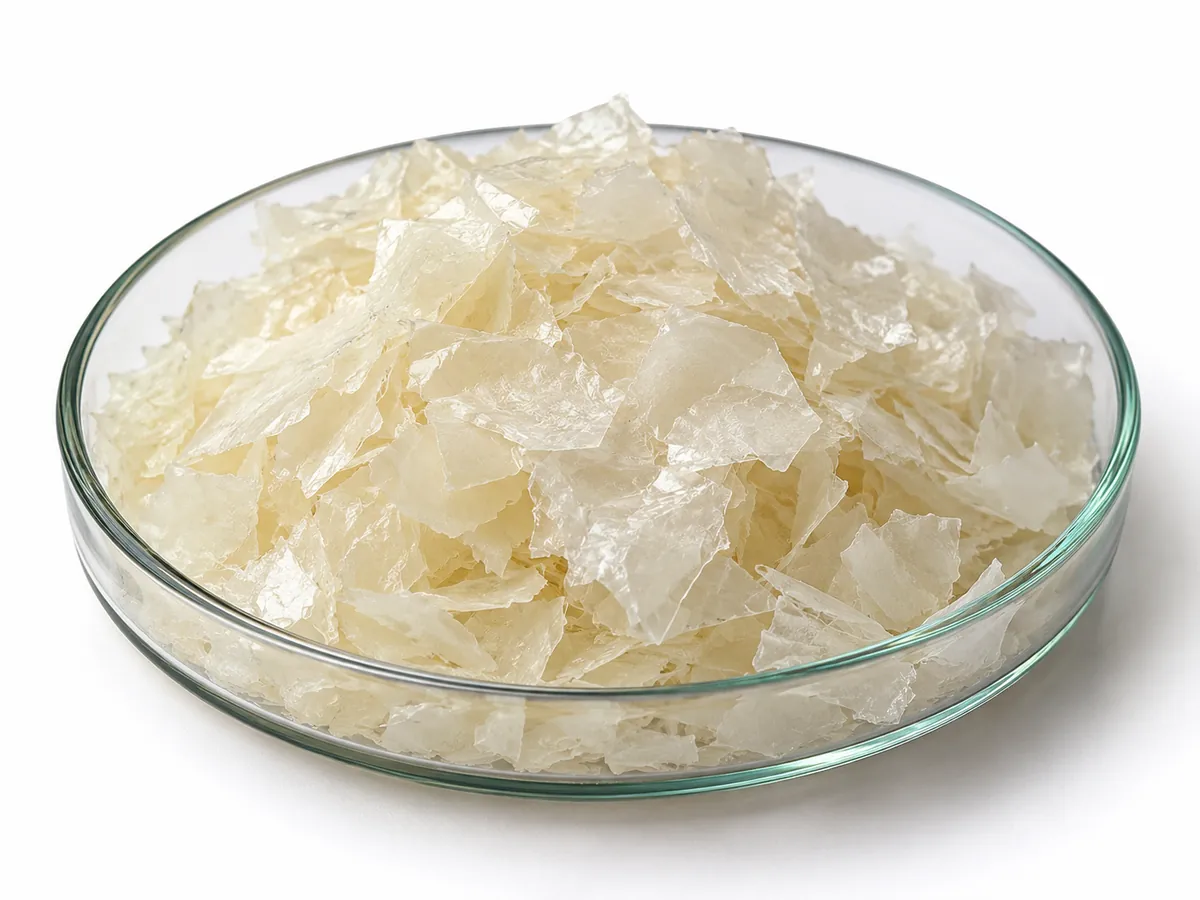
Nitrocellulose Plant at a Glance
| Typical capacity | ~1,000–10,000 TPA |
|---|---|
| Land | ~10–30 acres (safety distances) |
| Power load | ~500 kW–2 MW |
| Water | High |
| Manpower | ~50–150 |
| Indicative investment | ~₹30–150 crore |
Investment basis: excludes land.
Figures are indicative ranges. Your project report works them out for your capacity and location.
Market Demand for Nitrocellulose in India
Demand for nitrocellulose in India follows wood finishes and inks. Lacquer, ink and coating makers are the direct buyers, so most plants sell to a small set of industrial customers rather than to the open market. Production is concentrated in Gujarat and Maharashtra, close to the chemical and coatings industry. Export potential is low and seasonality is low, so planning should rest on steady domestic offtake.
- Wood lacquer manufacturers
- Printing ink makers
- Nail polish producers
- Leather finish suppliers
Nitrocellulose Products You Can Make
Most new plants start with industrial NC in RS and SS grades, wetted with alcohol for safe handling. NC chips and NC solutions can follow once your customers ask for them. Match the grade to the buyer's lacquer or ink formulation before you fix the line.
- Industrial NC (RS and SS grades) wetted with alcohol, NC chips, NC solutions
Nitrocellulose Plant Process and Quality Control
The nitrocellulose plant process begins with nitrating linters or pulp in mixed acid and ends with alcohol-wetted material packed in drums. In between, the product is centrifuged to remove acid, boiled to stabilise it, and then beaten and washed. Stabilisation matters most because it decides how safely the product stores and travels.
Batch nitration is the technology named in the facts, paired with acid recovery and reconcentration. Quality is checked through nitrogen content, viscosity and stability tests on each lot.
- Nitration with mixed acid
- Centrifuging
- Stabilisation boiling
- Beating and washing
- Dewatering
- Alcohol wetting
- Packing in drums
Raw Materials and Machinery for a Nitrocellulose Plant
Your main inputs are cotton linters or wood pulp, nitric and sulphuric acid, and isopropyl alcohol. Linters come from cotton belts, while the acids are sourced domestically. Nitrators, stabilisation vats and acid recovery units deserve the most attention, since they drive both safety and running cost. Water use is high, so check availability at the site early.
- Nitrators
- Centrifuges
- Stabilisation vats
- Beaters
- Dehydration presses
- Acid recovery
Nitrocellulose Plant Licence and Approvals
Nitrocellulose plant licence and approvals start with business registration, then consent to establish from the State Pollution Control Board before construction. Nitration with acid effluent falls in the Red category. Because nitrocellulose is regulated, a PESO licence under the Explosives Rules is needed, along with MSIHC compliance. Consent to operate follows once the plant is ready.
- Register the unit and secure the site
- Obtain consent to establish before building
- Apply for the PESO licence
- Obtain consent to operate
| Pollution category | Nitration with acid effluent: Red |
|---|---|
| HSN code | 3912 20 (cellulose nitrates) |
| GST | 18% |
| BIS / quality control order | No QCO |
| Other licences | PESO licence under the Explosives Rules (nitrocellulose is regulated); MSIHC compliance |
Choosing the Right Nitrocellulose Technology
Batch nitration is the base route, and it suits plants that want controlled lots and clear grade changes. Adding acid recovery and reconcentration changes the economics, because spent acid is recovered rather than discarded. It also eases the effluent burden that puts the plant in the Red category. In practice, most serious projects plan recovery from day one instead of adding it later, since retrofitting is harder around nitrators.
Choosing the Right Nitrocellulose Plant Size
Capacity typically runs from about 1,000 to 10,000 TPA, and the investment range of about ₹30–150 crore moves with it. Larger plants need more land, as safety distances call for roughly 10–30 acres, and a bigger workforce of about 50–150 people. A smaller unit limits exposure while you build buyer relationships. Your project report works out the right size for your market and location.
Government Schemes and Project Finance
For this project the facts point to state incentives, which vary by state and should be checked where you plan to build. Nitrocellulose plant project report quality matters here, because lenders look closely at safety licensing and acid recovery. NPCS reports are used for bank loans and government programmes, subject to each lender's requirements.
What Decides Success in a Nitrocellulose Plant
Good operators treat safety licensing and acid recovery as core business decisions. The main risks are the explosive hazard and the licensing process itself, so plan both before ordering machinery. Spent acid, once recovered, becomes a reusable input.
- Secure safety licensing early
- Install acid recovery
- Plan safety distances on site
- Test every lot for stability
How NPCS Helps You Set Up a Nitrocellulose Plant
To start a nitrocellulose plant business, you need decisions on capacity, technology, machinery and approvals made in the right order. Our team supports project planning, machinery selection, vendor selection, plant layout and production process guidance. We also help with installation and commissioning assistance, and prepare a bankable report for your lender.
NPCS's published client list records 164 assignments across chemicals and petrochemicals projects between 2009 and 2026, for clients in 20 states and 23 countries.
What Your Nitrocellulose Plant Project Report Covers
- Project introduction and BIS specifications
- Manufacturing process with flow sheet
- Market survey (demand, imports/exports, existing units)
- Personnel
- Plant and machinery with suppliers
- Land and building with layout
- Raw materials with sources and rates
- Financials (project cost, working capital, cost of production, profitability, break-even, 5–10 year cash flow, projected balance sheet, IRR/NPV/payback)
Nitrocellulose Plant: Frequently Asked Questions
What is the nitrocellulose plant setup cost in India?
An indicative range is about ₹30–150 crore, depending on capacity, and it excludes land. Safety systems and acid recovery add to the cost. Your project report works out the figure for your capacity and location.
Which licences does a nitrocellulose plant need?
You need a PESO licence under the Explosives Rules, MSIHC compliance, and State Pollution Control Board consents. Nitration with acid effluent is in the Red category. No QCO applies, and FSSAI is not applicable.
How much land and power does a nitrocellulose plant need?
Typically about 10–30 acres, because safety distances matter, and a power load of about 500 kW–2 MW. Water requirement is high. These are indicative figures that change with your planned capacity.
How do I start a nitrocellulose plant business?
Fix your capacity and target buyers, choose a site in line with safety distances, then prepare a project report. Apply for consent to establish and the PESO licence before construction. Machinery orders follow once approvals are on track.
How does NPCS help with a nitrocellulose project?
NPCS prepares the project report and supports machinery selection, vendor selection, plant layout and approvals planning. Our team can also help with commissioning assistance. Share your capacity and location, and we will outline the next steps.