
 ITC (Agri Business Division)
 Thermax (Chemical Division)
 SRF
 DCM Shriram Industries
 Deepak Nitrite
 Gujarat Ambuja Exports
A wax polish manufacturing consultant helps entrepreneurs set up units that make shoe, floor, furniture and car polishes from waxes, solvents and pigments. The products reach households, cobblers, retailers, institutions and car care shops in tins, tubes and liquid packs. People choose this project because the process is simple and the raw materials are easy to find. NPCS supports you with project planning, machinery selection and a detailed report that your lender can read.
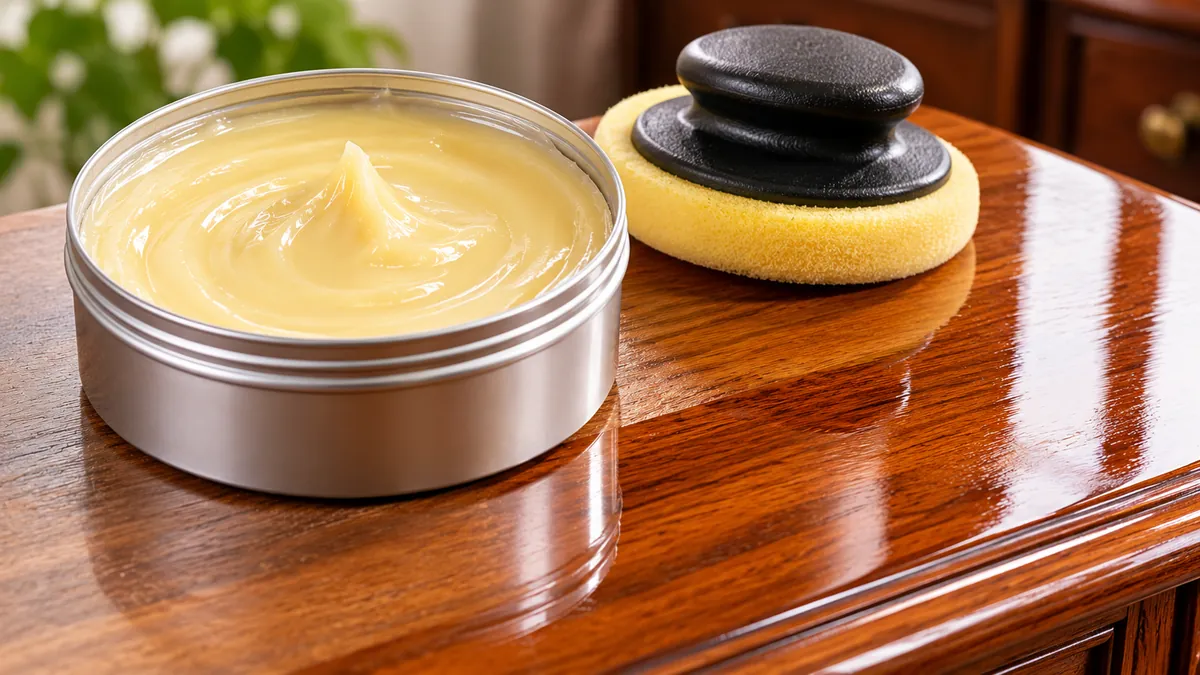
Wax Polish Manufacturing at a Glance
| Typical capacity | ~100–2,000 TPA |
|---|---|
| Land | ~0.5–2 acres |
| Power load | ~50–200 kW |
| Water | Low |
| Manpower | ~10–40 |
| Indicative investment | ~₹50 lakh–₹5 crore |
Investment basis: excludes land.
Figures are indicative ranges. Your project report works them out for your capacity and location.
Market Demand for Wax Polish in India
Demand for wax polish follows the footwear and car care markets. Every pair of leather shoes and every washed car is a possible sale, and the product is bought again and again in small packs.
Production is concentrated around Delhi-NCR, Maharashtra and Tamil Nadu. Export potential is low, so your growth will depend mainly on the Indian market. Seasonality is also low, which keeps sales fairly steady through the year.
- Retailers and distributors who stock tins and bottles
- Institutions that buy floor and furniture polish
- Car care shops that use car wax
- Households and cobblers buying shoe polish
Wax Polish Products You Can Make
Shoe polish in paste and liquid form is the usual starting point, since cobblers and retailers buy it daily. Floor and furniture polish suits institutional buyers. Car wax and wax emulsions can follow once your distribution is in place.
- Shoe polish (paste, liquid), floor and furniture polish, car wax, wax emulsions
Wax Polish Manufacturing Process
The wax polish manufacturing process starts with melting wax and ends with a labelled, sealed pack. Wax is melted, then blended with solvents and pigments, and filled hot into tins. The tins cool before lidding and labelling.
Emulsion products follow a different route of emulsifying and bottling. This is why the choice between paste lines and liquid emulsion lines matters early on.
Quality control focuses on shine, drying time and consistency. IS standards for shoe polish give you a clear reference for testing each batch.
- Wax melting
- Blending with solvents and pigments
- Hot filling into tins
- Cooling
- Lidding and labelling; emulsions: emulsifying and bottling
Raw Materials and Machinery for a Wax Polish Unit
Your main inputs are paraffin, carnauba and microcrystalline waxes, along with solvents, pigments, emulsifiers and tins. Waxes are sourced both domestically and from imports. Steam-jacketed melting kettles and mixers decide batch quality, while filling machines and cooling conveyors set your output speed.
- Steam-jacketed melting kettles
- Mixers
- Filling machines
- Cooling conveyors
- Labelling
Wax Polish Manufacturing Licence and Approvals
Solvent-based blending generally falls in the Orange pollution category, so plan your State Pollution Control Board consent early. Register the unit first, then take consent to establish before construction. Apply for consent to operate before commercial production starts. No QCO applies to this product.
- PESO approval for solvent storage
- Fire NOC for the premises
- Consent to operate before production
| Pollution category | Solvent-based blending is generally Orange |
|---|---|
| HSN code | 3405 (polishes and creams) |
| GST | 18% |
| BIS / quality control order | No QCO |
| Other licences | PESO for solvent storage; fire NOC |
Choosing Between Paste and Liquid Emulsion Lines
Paste lines and liquid emulsion lines suit different buyers. A paste line melts wax, blends it hot and fills tins, which suits shoe polish for cobblers and retailers. A liquid emulsion line uses emulsifiers and bottling, which suits floor, furniture and car care products. Many new units start with one route and add the other later.
Choosing the Right Plant Size
Capacity in this project typically runs from about 100 to 2,000 TPA, and the investment range is wide. A small unit needs less land, power and manpower, and suits a founder who is still building a brand. A larger unit needs more working capital and a wider distribution network. Your project report sizes the plant to your market and budget.
Government Schemes and Project Finance for Wax Polish Units
PMEGP is the scheme named for this project. NPCS reports are used for bank loans and government programmes such as PMEGP, MSME schemes, Mudra and NABARD-linked projects, subject to each lender's requirements. A clear project report with costs and cash flow makes your application easier to assess.
What Decides Success in a Wax Polish Unit
Brand and distribution decide success in this business. Good operators build trust with retailers and keep quality steady from batch to batch.
The main risk is competition from big brands. Plan your pricing and channels with that in mind.
- Build a recognisable brand and reliable distribution
- Keep shine and consistency steady in every batch
- Plan for competition from established brands
How NPCS Helps You Set Up a Wax Polish Unit
Our team guides the decisions that shape your plant. These include capacity, paste or emulsion technology, machinery selection and vendor choice. We also support plant layout, approvals and finance planning. Installation and commissioning assistance is available too, and your wax polish manufacturing project report is tailored to your capacity, budget and location.
NPCS's published client list records 10 assignments on wax polish projects between 2012 and 2023 for clients in 2 states and 7 countries, including detailed project reports, bankable project reports and techno-economic feasibility studies.
What Your Wax Polish Manufacturing Project Report Covers
- Project introduction and BIS specifications
- Manufacturing process with flow sheet
- Market survey (demand, imports/exports, existing units)
- Personnel
- Plant and machinery with suppliers
- Land and building with layout
- Raw materials with sources and rates
- Financials (project cost, working capital, cost of production, profitability, break-even, 5–10 year cash flow, projected balance sheet, IRR/NPV/payback)
Wax Polish Manufacturing: Frequently Asked Questions
How much does wax polish manufacturing setup cost in India?
Indicative investment is about ₹50 lakh–₹5 crore, excluding land. The final figure depends on capacity, whether you run paste or emulsion lines, and the machinery you choose. A project report works out the cost for your plan.
Which licences are needed for a wax polish unit?
You'll need State Pollution Control Board consent, as solvent-based blending is generally Orange. PESO approval is needed for solvent storage, along with a fire NOC. No QCO applies. Take consent to establish before you build.
How much land and power does a wax polish plant need?
A plant typically needs about 0.5–2 acres of land and a power load of about 50–200 kW. Water requirement is low. These are indicative ranges and change with your capacity and the lines you install.
How to start wax polish manufacturing?
Start by fixing your product, such as shoe polish paste, and your capacity. Then prepare a project report, register the unit, obtain pollution consent and PESO approval, and select machinery. Finally, line up distributors before production begins.
How does NPCS help with a wax polish project?
NPCS prepares detailed project reports, bankable reports and feasibility studies for wax polish units. Our team also supports machinery selection, vendor choice, plant layout and approvals. Share your capacity and location, and we'll outline the next steps.