
 ITC (Agri Business Division)
 Thermax (Chemical Division)
 SRF
 DCM Shriram Industries
 Deepak Nitrite
 Gujarat Ambuja Exports
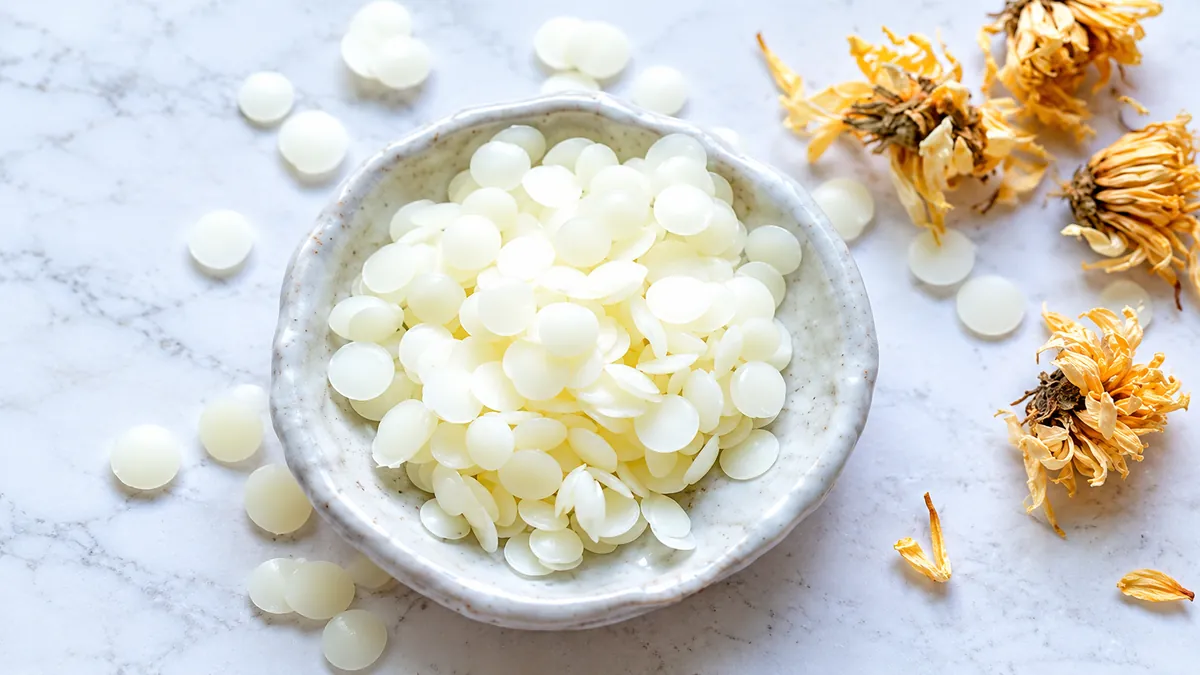
Cosmetic makers and food companies are looking for vegan waxes, and a sunflower wax purification plant turns oil refinery residue into exactly that. Entrepreneurs and edible oil processors set up these units to refine wax from winterisation filter cake into lipstick, balm and coating grades. A sunflower wax purification plant consultant like NPCS helps you check feedstock access, choose the refining route, plan approvals and prepare a bankable project report.
Sunflower Wax Purification Plant at a Glance
| Typical capacity | ~200–2,000 TPA |
|---|---|
| Land | ~1–3 acres |
| Power load | ~200–600 kW |
| Water | Low |
| Manpower | ~10–30 |
| Indicative investment | ~₹3–15 crore |
Investment basis: excludes land.
Figures are indicative ranges. Your project report works them out for your capacity and location.
Market Demand for Sunflower Wax in India
Demand for sunflower wax is rising because vegan waxes are replacing beeswax and petroleum waxes. Karnataka, Maharashtra and Gujarat are the main clusters, close to sunflower oil refineries and ports. Export potential is high, and seasonality is low, so production can run steadily through the year.
- Cosmetic makers buying wax for lipsticks and balms
- Food companies using wax for coatings and oleogels
- Exporters supplying refined wax to overseas buyers
- Candle makers seeking plant-based wax
Sunflower Wax Products You Can Make
You can sell refined wax as flakes or pellets, and each form suits different buyers. Cosmetic grade serves lipstick and balm makers, while food-contact grade suits coatings and oleogels. Many new units start with one grade and add the other once buyer approvals are in place.
- Refined sunflower wax flakes and pellets, cosmetic grade, food-contact grade
Sunflower Wax Purification Process
The plant uses batch solvent de-oiling and refining, starting with wax-rich filter cake from refineries. Solvent removes the trapped oil, and the wax is then melted, bleached and deodorised to improve colour and odour. Filtration removes fine impurities before the wax is flaked and packed.
Quality is checked at the finished stage and between steps. Melting point, acid value, colour and odour are the key tests buyers ask for. Solvent recovery matters as well, since it affects both operating cost and safety.
- Filter cake de-oiling (solvent)
- Melting
- Bleaching
- Deodorising
- Filtration
- Flaking
- Packing
Raw Materials and Machinery for the Plant
Your main input is wax-rich filter cake, along with solvents. It comes from sunflower oil refineries in Karnataka, Maharashtra and port locations. The machines that matter most are the extractor, solvent recovery unit, bleacher, deodoriser, filter press and flaker. Their sizing depends on your planned capacity.
- Extractor
- Solvent recovery
- Bleacher
- Deodoriser
- Filter press
- Flaker
Licences and Approvals for a Sunflower Wax Purification Plant
Solvent-based refining generally falls in the Orange pollution category, so plan consent from the State Pollution Control Board early. Start with business registration, then take consent to establish before construction, and consent to operate before production. No QCO applies to this product.
- PESO approval for storing and handling solvents
- FSSAI requirements if you supply food-grade wax
- Consent to establish and consent to operate from the State Pollution Control Board
| Pollution category | Solvent-based refining is generally Orange |
|---|---|
| HSN code | 1521 (vegetable waxes) |
| GST | Classification-dependent; applied in the project financials |
| BIS / quality control order | No QCO |
| FSSAI | FSSAI requirements for food-grade wax |
| Other licences | PESO for solvents |
Export Opportunity for Sunflower Wax
Export potential for refined sunflower wax is high, and exporters are a named buyer group for this project. Overseas cosmetic and food buyers usually ask for consistent melting point, colour and odour, so test records matter. Plan packing and documentation for export from the start, and classify the product under HSN 1521 in your financials.
Securing Filter Cake Supply
Feedstock is the main risk, because refineries generate small volumes of wax-rich filter cake. Agree supply terms with refineries in Karnataka, Maharashtra and port locations before you finalise capacity. Pooling cake from several refineries can keep the plant running, and a realistic capacity within the ~200–2,000 TPA range protects you from idle machinery.
Government Schemes and Project Finance
State incentives may apply to a sunflower wax purification plant, depending on your state and unit size. NPCS reports are used for bank loans and government programmes such as PMEGP, MSME schemes, Mudra and NABARD-linked projects, subject to each lender's requirements. A clear project report with costs and cash flow supports your application.
What Decides Success in a Sunflower Wax Purification Plant
Units do well when they secure feedstock tie-ups with refineries. The main risk is small feedstock volumes, so size the plant to supply you can actually count on. Recovered oil is sold, which adds some income.
- Sign supply agreements with refineries
- Match capacity to confirmed filter cake volumes
- Keep solvent recovery efficient and safe
- Test every batch for melting point and acid value
How NPCS Helps You Set Up a Sunflower Wax Purification Plant
NPCS supports the decisions that shape this project: capacity, solvent refining design, machinery selection, vendor choice and plant layout. Our team also guides you on approvals, production process and installation and commissioning assistance. The result is a project report tailored to your capacity, budget and location.
NPCS's published client list records 164 assignments across chemicals and petrochemicals projects between 2009 and 2026, for clients in 20 states and 23 countries.
What Your Sunflower Wax Purification Plant Project Report Covers
- Project introduction and BIS specifications
- Manufacturing process with flow sheet
- Market survey (demand, imports/exports, existing units)
- Personnel
- Plant and machinery with suppliers
- Land and building with layout
- Raw materials with sources and rates
- Financials (project cost, working capital, cost of production, profitability, break-even, 5–10 year cash flow, projected balance sheet, IRR/NPV/payback)
Sunflower Wax Purification Plant: Frequently Asked Questions
How much does a sunflower wax purification plant cost to set up in India?
An indicative investment is ~₹3–15 crore, excluding land. The final figure depends on capacity, solvent recovery design and machinery choice. A project report works out the cost for your planned capacity and location.
Which licences and pollution category apply to a sunflower wax plant?
Solvent-based refining is generally Orange under State Pollution Control Board rules. You also need PESO approval for solvents, and FSSAI requirements apply if you sell food-grade wax. No QCO applies to this product.
How much land and power does a sunflower wax plant need?
A typical plant needs about 1–3 acres and a power load of about 200–600 kW, depending on capacity. Water requirement is low. These are indicative figures, and your project report confirms them for your plant.
How to start a sunflower wax purification plant business?
Start by confirming filter cake supply from refineries, then fix capacity and grade. Next, prepare a project report, secure consents and PESO approval, order machinery and arrange finance. Buyer trials for cosmetic or food-grade wax follow commissioning.
How can NPCS help with a sunflower wax purification plant project?
NPCS prepares detailed project reports, feasibility studies and market research for this project. Our team guides you on technology, machinery, vendors, layout and approvals. Share your planned capacity and location, and we'll outline the next steps.