
 ITC (Agri Business Division)
 Thermax (Chemical Division)
 SRF
 DCM Shriram Industries
 Deepak Nitrite
 Gujarat Ambuja Exports
Coatings and flooring contractors, composite makers and electrical OEMs all buy epoxy resin, which is why many entrepreneurs look at setting up a plant. An epoxy resin plant consultant helps you decide whether to make resin from epichlorohydrin and bisphenol-A or to formulate hardeners and systems from bought resin. NPCS has worked on such projects for years, from technology choice and costing to approvals and finance.
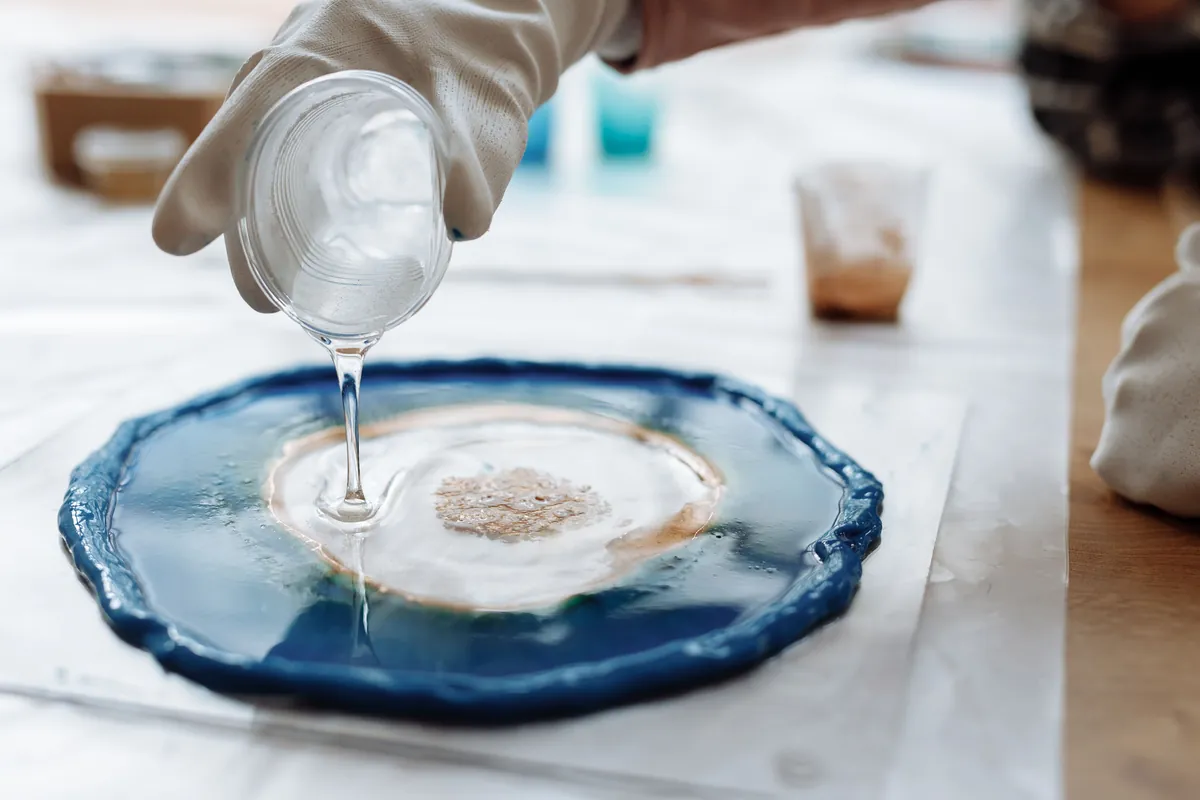
Epoxy Resin Plant at a Glance
| Typical capacity | ~500–10,000 TPA |
|---|---|
| Land | ~1–5 acres |
| Power load | ~300 kW–1.5 MW |
| Water | Moderate |
| Manpower | ~20–80 |
| Indicative investment | ~₹3 crore (formulation) to ₹80+ crore (synthesis) |
Investment basis: excludes land.
Figures are indicative ranges. Your project report works them out for your capacity and location.
Market Demand for Epoxy Resin Plants in India
Epoxy resin demand in India follows infrastructure, composites and import substitution. Wind blades and construction chemicals pull steady volumes, while local producers compete against imports from China and Korea. Gujarat, especially Vapi, Ankleshwar and Dahej, along with Maharashtra, hosts most of the industry because petrochemical inputs are close by. Export potential is medium, and seasonality is low.
- Coatings and flooring contractors buying systems
- Composite and adhesive makers buying resin
- Electrical OEMs needing potting compounds
Epoxy Resin Products You Can Make
Liquid and solid resins suit buyers who process them further, while floor and coating systems, adhesives and casting resins sell to contractors and OEMs. A formulation unit can start with hardeners and systems. Add resin synthesis later once volumes justify it.
- Liquid epoxy resin, solid epoxy resin, epoxy floor and coating systems, adhesives, casting and laminating resins, hardeners
Epoxy Resin Plant Process
The epoxy resin plant process in a synthesis unit starts with condensation of epichlorohydrin and bisphenol-A, followed by caustic dehydrohalogenation. The batch is then washed, stripped of solvent, filtered and packed. Formulation units skip synthesis and rely on mixing, dispersing and filling.
Quality control sits at several points. Typical checks include epoxy equivalent weight, viscosity, colour and hydrolysable chlorine, measured against buyer specifications. Integrated synthesis needs more capital and tighter process safety, while formulation-only plants cost less and start faster.
- Resin synthesis (condensation, caustic dehydrohalogenation)
- Washing
- Solvent stripping
- Filtration
- Packing; formulation units: mixing, dispersing, filling
Raw Materials and Machinery for an Epoxy Resin Plant
Synthesis units need epichlorohydrin, bisphenol-A, caustic soda and solvents, mostly sourced from Gujarat and Maharashtra or imported. Formulation units buy resin, hardeners and fillers. The machines that matter most are reactors, condensers and strippers for synthesis, and mixers, dispersers and a filling line for formulation.
- Reactors
- Condensers
- Washing and separation tanks
- Strippers
- Filters
- Mixers and dispersers (formulation)
- Filling line
Licences and Approvals for an Epoxy Resin Plant
Epoxy resin plant licence and approvals start with business registration, then consent to establish from the State Pollution Control Board before construction. Synthetic resin manufacture falls under Red category, while formulation-only mixing units are generally Green or Orange. Consent to operate follows once the plant is built.
- MSIHC compliance for epichlorohydrin storage
- PESO approval for solvents
- Hazardous waste authorisation
- Factory licence
| Pollution category | Synthetic resin manufacture: Red (CPCB S.No. 143 synthetic resins); formulation-only mixing units are generally Green or Orange |
|---|---|
| HSN code | 3907 30 (epoxide resins) |
| GST | 18% |
| BIS / quality control order | QCO coverage changes often; NPCS verifies the current BIS requirement for your product during project planning |
| Other licences | MSIHC compliance for epichlorohydrin storage; PESO for solvents; hazardous waste authorisation; factory licence |
Choosing Between Synthesis and Formulation for Your Epoxy Resin Plant
Formulation-only suits first-time investors because it needs lower capex and starts faster. Investment is indicatively about ₹3 crore for formulation and ₹80+ crore for synthesis, excluding land. Integrated synthesis gives control over resin quality and margin, but it brings Red category compliance and hazardous inputs. Many promoters formulate first and add synthesis once buyers are secured.
Choosing the Right Epoxy Resin Plant Size
Capacity typically ranges from about 500 to 10,000 TPA, and the choice shapes land, power and manpower. Smaller units may need about 1 acre and a lower power load, while larger plants approach 5 acres and 1.5 MW. Your project report sizes the plant to your feedstock access, buyers and budget.
Government Schemes and Project Finance for an Epoxy Resin Plant
Chemical park incentives and state incentives may apply, depending on where you locate. A bankable epoxy resin plant project report supports loan and subsidy applications. NPCS reports are used for bank loans and government programmes such as PMEGP, MSME schemes, Mudra and NABARD-linked projects, subject to each lender's requirements.
What Decides Success in an Epoxy Resin Plant
Operators who do well secure feedstock contracts, run strict process safety and offer technical service to buyers. The main risks are cheap imports and hazardous inputs. Plan for brine and salt effluent through an ETP and for hazardous residues.
- Feedstock contracts for steady supply
- Process safety for hazardous inputs
- Technical service to contractors and OEMs
How NPCS Helps You Set Up an Epoxy Resin Plant
NPCS supports the decisions that shape your plant: capacity, synthesis or formulation, machinery selection and vendor selection. Our team also helps with plant layout, production process guidance, installation and commissioning assistance. We then prepare a detailed project report and techno-economic feasibility study tailored to your location and budget.
NPCS's published client list records 17 assignments on epoxy resin projects between 2010 and 2025 for clients in 3 states and 8 countries, including detailed project reports, bankable project reports and techno-economic feasibility studies.
What Your Epoxy Resin Plant Project Report Covers
- Project introduction and BIS specifications
- Manufacturing process with flow sheet
- Market survey (demand, imports/exports, existing units)
- Personnel
- Plant and machinery with suppliers
- Land and building with layout
- Raw materials with sources and rates
- Financials (project cost, working capital, cost of production, profitability, break-even, 5–10 year cash flow, projected balance sheet, IRR/NPV/payback)
Epoxy Resin Plant: Frequently Asked Questions
How much does an epoxy resin plant cost to set up in India?
Epoxy resin plant setup cost in India is indicatively about ₹3 crore for a formulation unit and ₹80+ crore for resin synthesis, excluding land. The final figure depends on capacity, technology and location, which your project report works out.
Which pollution category applies to an epoxy resin plant?
Synthetic resin manufacture falls in the Red category under CPCB S.No. 143. Formulation-only mixing units are generally Green or Orange, depending on the process. Your State Pollution Control Board decides the category when you apply for consent to establish.
How much land and power does an epoxy resin plant need?
Typically about 1–5 acres of land and a power load of about 300 kW–1.5 MW, depending on capacity and technology. Water requirement is moderate. These are indicative figures, so confirm them against your chosen plant size.
How to start an epoxy resin plant business?
Start by choosing between resin synthesis and formulation, then fix capacity, location and feedstock sources. Next, prepare a project report, register the business, obtain consent to establish and other approvals, order machinery and then apply for consent to operate.
How does NPCS help with an epoxy resin plant project?
NPCS prepares detailed and bankable project reports and feasibility studies, and supports machinery and vendor selection, layout and commissioning. Our team tailors the report to your capacity, budget, technology and location, and answers enquiries within 24 hours.