 ITC (Agri Business Division)
 Thermax (Chemical Division)
 SRF
 DCM Shriram Industries
 Deepak Nitrite
 Gujarat Ambuja Exports
Paint, adhesive, ink and synthetic leather makers buy MEK in volume, and much of it still arrives as imports. A methyl ethyl ketone plant consultant helps you judge whether a domestic unit makes sense for your feedstock access and scale. Entrepreneurs and chemical groups set up these plants by dehydrogenating secondary butanol. NPCS has worked with industrial clients since 1994, and our team prepares the project report, technology comparison and approvals plan that your lender and your board will ask for.
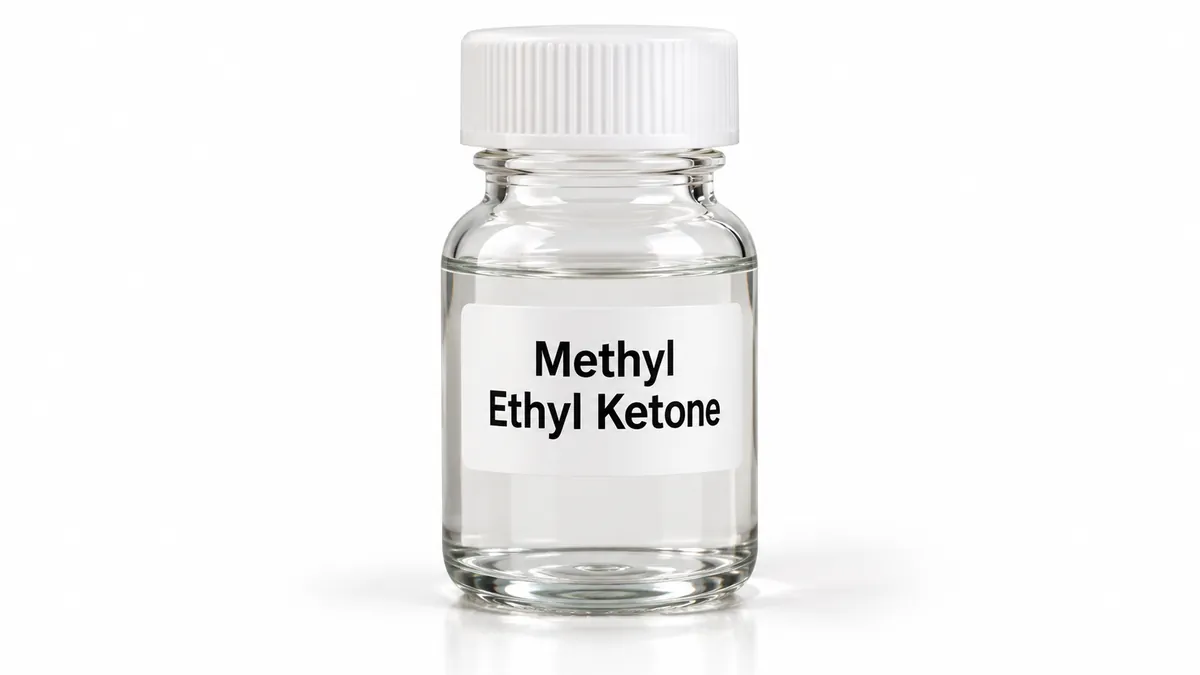
Methyl Ethyl Ketone Plant at a Glance
| Typical capacity | ~10,000–50,000 TPA |
|---|---|
| Land | ~5–15 acres |
| Power load | ~1–3 MW |
| Water | Moderate |
| Manpower | ~40–100 |
| Indicative investment | ~₹80–300 crore |
Investment basis: excludes land.
Figures are indicative ranges. Your project report works them out for your capacity and location.
Market Demand for Methyl Ethyl Ketone in India
MEK demand in India follows the solvent needs of coatings and allied industries. Import substitution and steady coatings demand are the main drivers, while export potential is low, so your plant should be built around domestic buyers. Chemical clusters in Gujarat (Dahej) and Maharashtra are the natural locations to study first.
- Paints and coatings manufacturers
- Adhesive and printing ink makers
- PU synthetic leather producers
- Lube oil dewaxing users
Products You Can Make in a MEK Plant
The main product is MEK of 99.5%+ purity, sold as a solvent to coatings, adhesive and ink buyers. Secondary butanol is the allied product, and it also serves as your feedstock, so decide early whether you will buy it or trade it.
- MEK (99.5%+), secondary butanol (allied)
Methyl Ethyl Ketone Plant Process
The methyl ethyl ketone plant process starts with vaporising secondary butanol and passing it over a catalyst, where it dehydrogenates into MEK and hydrogen. The product is condensed, the hydrogen is separated, and distillation brings the MEK to saleable purity before it goes to storage. Quality control focuses on purity, water content and acidity, so test points after distillation and before dispatch matter most. The technology choice is between a standalone butanol dehydrogenation unit and an integrated refinery C4 route, which changes both capital cost and feedstock risk.
- Butanol vaporisation
- Catalytic dehydrogenation
- Condensation
- Hydrogen separation
- Distillation
- Storage
Raw Materials and Machinery for a MEK Plant
Secondary butanol, or butenes from refineries, is the main input, along with the catalyst. Butanol is imported or drawn from refinery C4 streams, so supply contracts shape your plant location. The critical equipment is the vaporiser, dehydrogenation reactor and distillation columns, backed by condensers and a tank farm sized for solvent storage.
- Vaporiser
- Dehydrogenation reactor
- Condensers
- Distillation columns
- Tank farm
Methyl Ethyl Ketone Plant Licence and Approvals
Plan approvals in sequence: company and GST registration, then consent to establish from the State Pollution Control Board before construction, and consent to operate before production. Chemical synthesis units are generally Red category, though the State PCB fixes the category at consent stage. No QCO applies to MEK.
- PESO approval for petroleum class A storage
- MSIHC compliance for hazardous chemical handling
- Site clearance suited to a large solvent tank farm
| Pollution category | Organic or inorganic chemical synthesis is generally Red; the State PCB fixes the category at consent stage |
|---|---|
| HSN code | 2914 12 (butanone) |
| GST | 18% |
| BIS / quality control order | No QCO |
| Other licences | PESO (petroleum class A storage); MSIHC compliance |
Choosing the Right MEK Plant Size
Plant size is the biggest cost decision, because capacity runs from about 10,000 to 50,000 TPA and investment from about ₹80–300 crore, excluding land. A smaller unit eases funding but may struggle on feedstock cost. A larger unit spreads fixed costs, yet needs firm offtake from coatings and adhesive buyers. Land of about 5–15 acres and power of about 1–3 MW also scale with this choice.
Choosing the Right MEK Technology
The two routes are standalone butanol dehydrogenation and an integrated refinery C4 route. Standalone suits promoters who can import or contract secondary butanol and want a contained process. The integrated route suits groups with refinery C4 access, where feedstock is closer but the project is more complex. Your report should compare both on cost, feedstock security and approvals.
Government Schemes and Project Finance for a MEK Plant
Projects of this kind may look at PCPIR and chemical park incentives, which depend on the location you choose. NPCS reports are used for bank loans and government programmes, subject to each lender's requirements. A bankable report with realistic feedstock costs and scale assumptions makes your funding discussion easier.
What Decides Success in a MEK Plant
Operators who do well secure feedstock early and build at a scale that competes on cost. The main risk is imports from China and the Middle East, which can pressure prices. Hydrogen is a by-product that can be used as fuel, which helps offset energy cost.
- Reliable secondary butanol supply
- Adequate scale for competitive cost
- Stable buyers in coatings and adhesives
- Use of hydrogen as plant fuel
How NPCS Helps You Set Up a MEK Plant
Our team supports the decisions that matter most: capacity, technology route, machinery selection, vendor choice and plant layout. We also guide you through approvals and prepare the financial model your lender expects. Support continues into installation and commissioning assistance, so your plan stays practical on site.
NPCS's published client list records 164 assignments across chemicals and petrochemicals projects between 2009 and 2026, for clients in 20 states and 23 countries.
What Your Methyl Ethyl Ketone Plant Project Report Covers
- Project introduction and BIS specifications
- Manufacturing process with flow sheet
- Market survey (demand, imports/exports, existing units)
- Personnel
- Plant and machinery with suppliers
- Land and building with layout
- Raw materials with sources and rates
- Financials (project cost, working capital, cost of production, profitability, break-even, 5–10 year cash flow, projected balance sheet, IRR/NPV/payback)
Methyl Ethyl Ketone Plant: Frequently Asked Questions
How much does a methyl ethyl ketone plant setup cost in India?
An indicative investment is about ₹80–300 crore, excluding land, depending on capacity and technology route. Your project report works out the figure for your chosen size, location and feedstock arrangement.
Which licences are needed for a MEK plant?
You need State PCB consent to establish and operate, PESO approval for petroleum class A storage, and MSIHC compliance. Chemical synthesis is generally Red category, but the State PCB fixes it at consent stage.
How much land and power does a MEK plant need?
A plant typically needs about 5–15 acres and about 1–3 MW of power, with moderate water use. These are indicative figures and change with capacity and whether you build a tank farm on site.
How to start a methyl ethyl ketone plant business?
Begin with a feasibility study covering feedstock, capacity and technology route. Then select a location such as a chemical cluster, secure funding, obtain consents and order equipment. A detailed project report ties these steps together.
How can NPCS help with a MEK project report?
NPCS prepares a detailed project report covering process, machinery, raw materials, approvals and financials, tailored to your capacity and location. Our team also guides technology choice, vendor selection and commissioning support.