
 ITC (Agri Business Division)
 Thermax (Chemical Division)
 SRF
 DCM Shriram Industries
 Deepak Nitrite
 Gujarat Ambuja Exports
A synthetic camphor plant converts alpha-pinene from turpentine into camphor for puja, pharma and personal-care buyers. Entrepreneurs and chemical manufacturers choose it because religious consumption is steady and imports can be substituted. A synthetic camphor plant consultant helps you decide between full pinene-to-camphor production and simple tableting, then sizes the plant, machinery and approvals. NPCS has supported chemical projects since 1994.
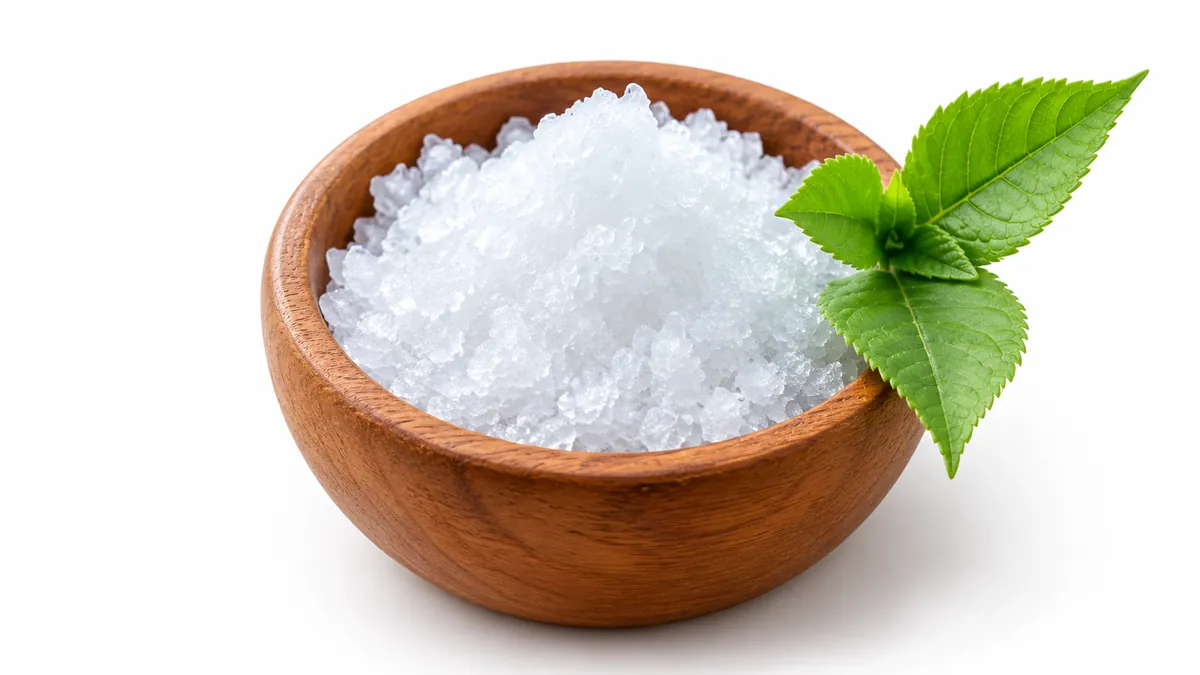
Synthetic Camphor Plant at a Glance
| Typical capacity | ~1,000–10,000 TPA |
|---|---|
| Land | ~5–12 acres |
| Power load | ~1–3 MW |
| Water | Moderate |
| Manpower | ~40–120 |
| Indicative investment | ~₹30–150 crore |
Investment basis: excludes land.
Figures are indicative ranges. Your project report works them out for your capacity and location.
Market Demand for Synthetic Camphor in India
Demand for synthetic camphor in India rests mainly on religious consumption and the push to replace imports. Puja-grade tablets sell all year, with festive peaks that lift volumes. Pharma and balm makers need purer grades, while isobornyl acetate serves fragrance houses. Production clusters are in Uttar Pradesh, Gujarat and Maharashtra.
- Puja-item distributors buying powder and tablets
- Pharma and balm makers needing pharma grade camphor
- Fragrance companies buying isobornyl acetate
- Mothball and household product makers
Synthetic Camphor Products You Can Make
Puja-grade powder and tablets suit distributors and are the easiest entry point. Pharma grade camphor needs tighter purity and suits balm and medicine makers. Isobornyl acetate, an intermediate in the process, can also be sold to fragrance companies.
- Camphor powder and tablets (puja grade), pharma grade camphor, isobornyl acetate (fragrance)
Synthetic Camphor Plant Process
The synthetic camphor plant process turns pinene into camphene, then into isobornyl acetate, isoborneol and finally camphor. Isomerisation and esterification come first, followed by saponification and dehydrogenation. Sublimation then purifies the crude camphor, and tablet presses shape the final product.
Quality is controlled mainly at the purification stage. Buyers check purity, melting point and residue, and pharma grade must meet IP standards. Your project report sets the checks for each stage.
- Isomerisation of pinene to camphene
- Esterification to isobornyl acetate
- Saponification to isoborneol
- Dehydrogenation to camphor
- Sublimation and purification
- Tableting
Raw Materials and Machinery for Camphor Production
Gum turpentine or alpha-pinene is the main input, along with acetic acid and catalysts. Turpentine comes from Himachal Pradesh, Uttarakhand and imports. The reactors for isomerisation, esterification and dehydrogenation, and the sublimation unit, decide yield and purity, so they deserve the most careful selection.
- Isomerisation and esterification reactors
- Distillation
- Dehydrogenation reactor
- Sublimation unit
- Tablet presses
Synthetic Camphor Plant Licence and Approvals
Organic chemical synthesis is generally treated as Red category by the State Pollution Control Board, so plan for consent to establish before construction and consent to operate before production. Complete business registration first, then the pollution consents.
- PESO approval for flammable storage
- Drug licence if you make pharma grade
- No QCO applies to this product
| Pollution category | Organic chemical synthesis: generally Red |
|---|---|
| HSN code | 2914 29 (camphor) |
| GST | Classification-dependent by grade and pack; applied in the project financials |
| BIS / quality control order | No QCO |
| Other licences | PESO for flammable storage; drug licence for pharma grade |
Choosing Between Integrated Production and Tableting
An integrated pinene-to-camphor plant gives control over cost and purity, but it needs heavy capital and a Red category setup. Tableting of bought camphor is far lighter and quicker to start. However, it leaves you exposed to supplier prices and Chinese imports. Many entrants start with tableting and move upstream once the market is proven.
Choosing the Right Synthetic Camphor Plant Size
Capacity typically ranges from about 1,000 to 10,000 TPA, with an indicative investment of about ₹30–150 crore excluding land. Smaller units need less land and manpower but feel the pressure of imports more. Larger plants spread fixed cost, yet need steady turpentine supply and wider buyer contracts.
Government Schemes and Project Finance
State incentives are the main support listed for this project, and they vary by state and location. A detailed project report helps lenders judge viability. NPCS reports are used for bank loans and government programmes such as PMEGP, MSME schemes, Mudra and NABARD-linked projects, subject to each lender's requirements.
What Decides Success in a Synthetic Camphor Plant
Reliable turpentine sourcing and consistent purity decide whether a plant stays profitable. Plan for the main risks as well.
- Price pressure from Chinese imports
- Festive peaks that strain stock and cash
- Disposal of distillation residues
How NPCS Helps You Set Up a Synthetic Camphor Plant
NPCS supports the decisions that shape this project: capacity, technology route, machinery selection and vendor choice. Our team also guides plant layout, approvals and the finance plan. A synthetic camphor plant project report from NPCS is tailored to your capacity, budget and location.
NPCS's published client list records 7 assignments on synthetic camphor projects between 2015 and 2022 for clients in 5 states, including techno-economic feasibility studies and market research reports.
What Your Synthetic Camphor Plant Project Report Covers
- Project introduction and BIS specifications
- Manufacturing process with flow sheet
- Market survey (demand, imports/exports, existing units)
- Personnel
- Plant and machinery with suppliers
- Land and building with layout
- Raw materials with sources and rates
- Financials (project cost, working capital, cost of production, profitability, break-even, 5–10 year cash flow, projected balance sheet, IRR/NPV/payback)
Synthetic Camphor Plant: Frequently Asked Questions
How much investment is needed for a synthetic camphor plant?
Investment is typically about ₹30–150 crore for plants of about 1,000–10,000 TPA, excluding land. The figure is indicative and depends on capacity and technology. Your project report works out the exact cost for your plan.
Which licences are needed for a synthetic camphor plant?
Organic chemical synthesis is generally Red category, so State Pollution Control Board consents are required. You also need PESO approval for flammable storage, and a drug licence if you make pharma grade. No QCO applies.
How much land and power does a camphor plant need?
An integrated plant typically needs about 5–12 acres and a power load of about 1–3 MW, with moderate water use. These are indicative ranges and change with your chosen capacity and technology.
How do I start a synthetic camphor plant business?
Start by choosing between integrated production and tableting of bought camphor. Then fix capacity, secure turpentine supply, prepare a project report, and obtain pollution and safety approvals before building. Finance and machinery follow.
How does NPCS help with a synthetic camphor project?
NPCS prepares the project report and supports capacity planning, machinery and vendor selection, plant layout and approvals guidance. Our records show 7 synthetic camphor assignments, including feasibility studies and market research reports.