
 ITC (Agri Business Division)
 Thermax (Chemical Division)
 SRF
 DCM Shriram Industries
 Deepak Nitrite
 Gujarat Ambuja Exports
A sodium percarbonate plant turns soda ash and 50% hydrogen peroxide into coated granules, an oxygen bleach used in detergents and cleaners. Chemical entrepreneurs and detergent makers set up such units to supply oxygen-bleach products and to replace imports. As a sodium percarbonate plant consultant, NPCS helps you compare technology routes, size the plant, plan approvals and prepare a bankable report for your capacity and location.
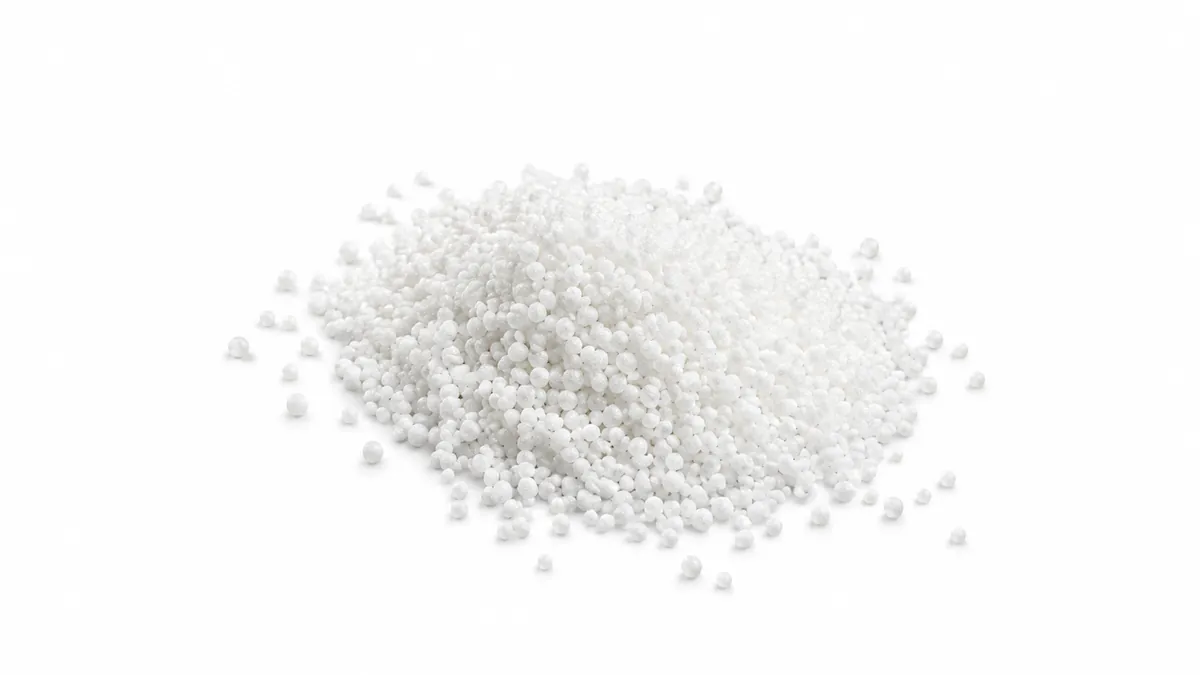
Sodium Percarbonate Plant at a Glance
| Typical capacity | ~5,000–30,000 TPA |
|---|---|
| Land | ~3–8 acres |
| Power load | ~500 kW–2 MW |
| Water | Moderate |
| Manpower | ~20–60 |
| Indicative investment | ~₹20–100 crore |
Investment basis: excludes land.
Figures are indicative ranges. Your project report works them out for your capacity and location.
Market Demand for Sodium Percarbonate in India
Demand comes mainly from detergent and cleaning product makers who want oxygen-bleach formulations. Import substitution adds to it, since domestic supply still competes with imported material. Gujarat and Maharashtra are the main clusters, and exporters form a medium-potential market. Seasonality is low, so demand stays fairly steady through the year.
- Detergent powder and tablet manufacturers
- Dishwash and cleaning product makers
- Exporters supplying oxygen bleach
- Buyers looking for domestic alternatives to imports
Sodium Percarbonate Grades You Can Make
Coated granules for detergents are the usual starting grade, since detergent makers are the core buyers. An uncoated grade and eco-cleaner grades can follow once your coating process is stable and you know what customers ask for.
- Coated granules for detergents, uncoated grade, eco-cleaner grades
Sodium Percarbonate Plant Process
The sodium percarbonate plant process starts with soda ash reacting with hydrogen peroxide, then moves through granulation or crystallisation, drying, coating and packing. Two routes are common: fluid-bed spray granulation and wet crystallisation. The choice affects equipment, energy use and product form. Quality control matters most at the coating stage, because it protects the product's stability. Plants usually test for active oxygen, stability and particle size on every batch before packing.
- Reaction of soda ash with peroxide (wet or fluid-bed process)
- Crystallisation or granulation
- Drying
- Coating
- Packing
Raw Materials and Machinery for Sodium Percarbonate
Soda ash and 50% hydrogen peroxide are the main inputs, and both are sourced domestically. You'll also need stabilisers and coating agents. The machinery that decides output quality is the reactor or fluid-bed granulator, the dryer and the coating unit, with sieves for grading particle size.
- Reactors or fluid-bed granulator
- Dryer
- Coating unit
- Sieves
Sodium Percarbonate Plant Licence and Approvals
Approvals follow a set order: business registration, consent to establish from the State Pollution Control Board before construction, then consent to operate before production. Inorganic chemical manufacture is generally Orange or Red, so confirm the category for your process early. No QCO applies, and FSSAI is not applicable.
- Hydrogen peroxide storage approvals
- Factory licence
- Consent to establish and consent to operate
| Pollution category | Inorganic chemical manufacture: generally Orange or Red |
|---|---|
| HSN code | 2836 99 (peroxocarbonates) |
| GST | 18% |
| BIS / quality control order | No QCO |
| Other licences | Hydrogen peroxide storage approvals; factory licence |
Choosing the Right Sodium Percarbonate Technology
Fluid-bed spray granulation and wet crystallisation both make sodium percarbonate, but they suit different plans. Fluid-bed granulation builds granules directly and suits producers aiming at coated detergent-grade material. Wet crystallisation involves a reaction and separation stage before drying. Your target grade, capacity and utility costs should guide the choice, and a feasibility study compares both on your numbers.
Choosing the Right Sodium Percarbonate Plant Size
Capacity typically ranges from ~5,000–30,000 TPA, and investment from ~₹20–100 crore, excluding land. A smaller unit needs less land, power and manpower, but peroxide cost weighs heavily on margins. A larger unit spreads fixed costs across more output, though it needs firm offtake from detergent buyers. Land, power and staffing scale along with capacity.
Government Schemes and Project Finance
State incentives are the scheme route named for this project, and their terms vary by state. A detailed project report helps when approaching banks or applying for incentives. NPCS reports are used for bank loans and programmes such as PMEGP, MSME schemes, Mudra and NABARD-linked projects, subject to each lender's requirements.
What Decides Success in a Sodium Percarbonate Plant
Good operators control peroxide cost and keep coating stable. The main risk is competition from imports, so buyer commitments matter before you build. By-product waste is minimal.
- Secure peroxide supply at a steady price
- Test coating stability on every batch
- Line up detergent buyers before commissioning
How NPCS Helps You Set Up a Sodium Percarbonate Plant
NPCS supports the decisions that shape this project: capacity, technology route, machinery selection and specifications, vendor selection and plant layout. Our team also guides the production process, approvals and finance planning. You get a sodium percarbonate plant project report tailored to your capacity, budget and location, with installation and commissioning assistance.
NPCS's published client list records 164 assignments across chemicals and petrochemicals projects between 2009 and 2026, for clients in 20 states and 23 countries.
What Your Sodium Percarbonate Plant Project Report Covers
- Project introduction and BIS specifications
- Manufacturing process with flow sheet
- Market survey (demand, imports/exports, existing units)
- Personnel
- Plant and machinery with suppliers
- Land and building with layout
- Raw materials with sources and rates
- Financials (project cost, working capital, cost of production, profitability, break-even, 5–10 year cash flow, projected balance sheet, IRR/NPV/payback)
Sodium Percarbonate Plant: Frequently Asked Questions
How much does a sodium percarbonate plant setup cost in India?
Investment is typically about ₹20–100 crore, depending on capacity, and it excludes land. The final figure depends on the technology route, machinery and location. A project report works out the cost for your planned capacity.
Which licences are needed for a sodium percarbonate plant?
You'll need a factory licence, hydrogen peroxide storage approvals and State Pollution Control Board consents. Inorganic chemical manufacture is generally Orange or Red, so check your category early. No QCO applies to this product.
How much land and power does a sodium percarbonate plant need?
A plant typically needs about 3–8 acres and a power load of roughly 500 kW–2 MW. Water requirement is moderate. These are indicative figures and change with your capacity and chosen technology route.
How to start a sodium percarbonate plant business?
Begin with a feasibility study covering demand, technology and capacity. Then choose a site, register the business, obtain consent to establish, select machinery and arrange finance. Detergent buyer enquiries early on reduce commercial risk.
How can NPCS help with a sodium percarbonate project?
NPCS prepares a detailed project report and feasibility study, and guides machinery selection, vendor selection, plant layout and approvals. Share your planned capacity and location, and our team will outline the next steps.