
 ITC (Agri Business Division)
 Thermax (Chemical Division)
 SRF
 DCM Shriram Industries
 Deepak Nitrite
 Gujarat Ambuja Exports
A dyestuff manufacturing plant makes reactive, disperse, acid and direct dyes from dye intermediates, and it is usually set up by chemical entrepreneurs who already supply textile processors, tanneries or exporters. A dyestuff manufacturing plant consultant helps you size the unit, pick the drying route and plan effluent treatment before money is committed. Dye units face strict pollution norms, so planning matters. NPCS has prepared project reports and feasibility studies since 1994.
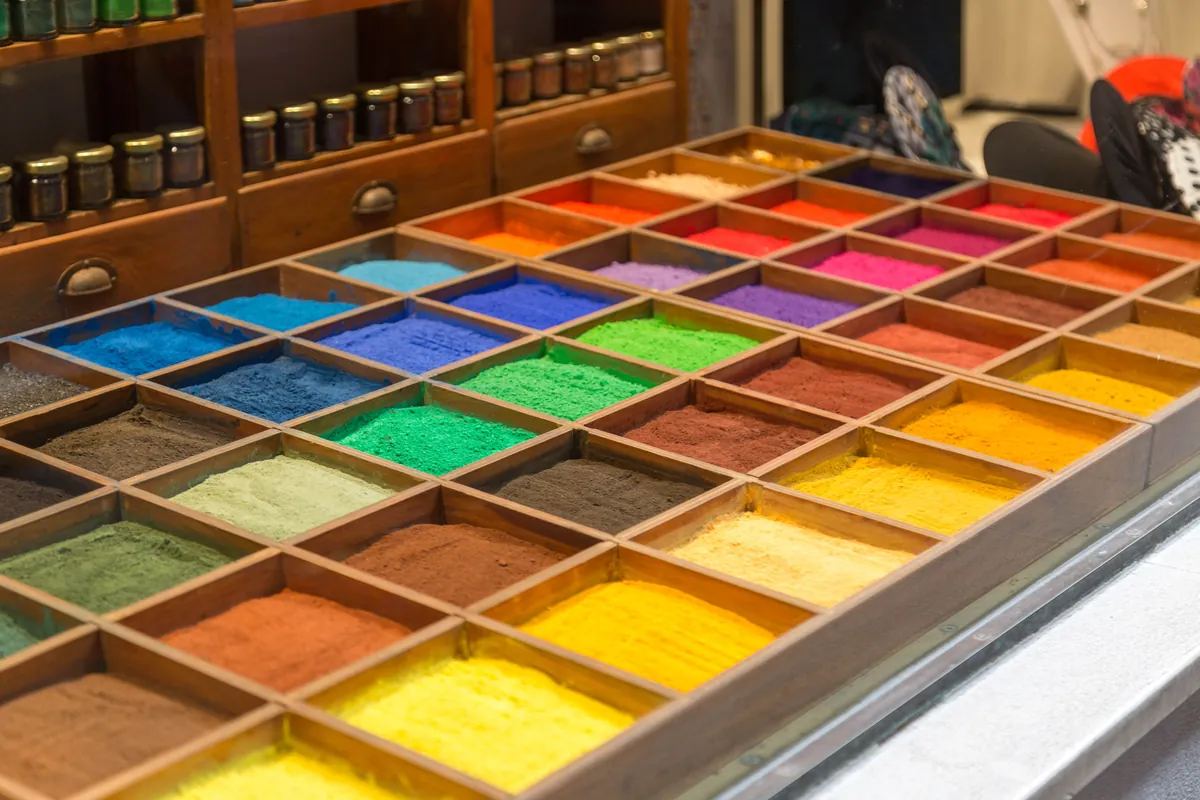
Dyestuff Manufacturing Plant at a Glance
| Typical capacity | ~1,000–10,000 TPA |
|---|---|
| Land | ~2–6 acres |
| Power load | ~500 kW–2 MW |
| Water | High (ZLD) |
| Manpower | ~30–120 |
| Indicative investment | ~₹10–60 crore |
Investment basis: excludes land.
Figures are indicative ranges. Your project report works them out for your capacity and location.
Market Demand for Dyestuffs in India
Demand for dyes follows textile processing, and textile exports and China+1 sourcing are the two drivers that matter most for new plants. Buyers are concentrated in clusters, so location and customer access go together.
- Textile processors using reactive and disperse dyes
- Leather tanneries buying acid dyes
- Exporters needing consistent shades
- Paper and ink makers
- Main clusters: Vapi, Ankleshwar, Ahmedabad and Maharashtra
Dyestuff Products You Can Make
Each dye class serves a different fibre, so your product choice decides your buyers. Reactive dyes suit cotton processors, disperse dyes suit polyester, and acid dyes serve wool, nylon and leather. Direct and liquid dyes can widen the range later.
- Reactive dyes (cotton), disperse dyes (polyester), acid dyes (wool, nylon, leather), direct dyes, liquid dyes
Dyestuff Manufacturing Process
The dyestuff manufacturing process starts with diazotisation and coupling in reactors, then moves to isolation, drying and blending. The main technology decision is spray drying versus filter-press and tray drying. Spray drying gives a uniform powder, while the filter-press route is simpler to run. Effluent is handled through ZLD systems.
Quality is controlled at the standardisation stage, where dye is blended with diluents to match the buyer's specification. Labs usually test shade, strength, fastness and insolubles on every batch before packing.
- Diazotisation
- Coupling
- Salting out or spray drying
- Filtration
- Drying
- Standardisation with diluents
- Packing
Raw Materials and Machinery for a Dye Plant
Your main inputs are dye intermediates such as vinyl sulphone and H-acid, plus acids, alkalis and salt. Intermediates are typically sourced from Gujarat, around Vapi and Ankleshwar. Reactors, the filter press and the spray dryer drive output and cost, while the ETP and ZLD system decides whether you can keep running.
- Reactors
- Filter press
- Spray dryer
- Blender
- Mill
- ETP and ZLD
Licences and Approvals for a Dyestuff Manufacturing Plant
Dyes and dye intermediates manufacturing falls in the Red category, so the State Pollution Control Board consent to establish should come before construction begins. Consent to operate follows once the plant is ready. No QCO applies to this product.
- Hazardous waste authorisation
- CETP membership or ZLD
- Environmental Clearance where applicable
| Pollution category | Dyes and dye intermediates manufacturing is Red |
|---|---|
| HSN code | 3204 (synthetic organic colouring matter) |
| GST | 18% |
| BIS / quality control order | No QCO |
| Other licences | Hazardous waste authorisation; CETP membership or ZLD; Environmental Clearance where applicable |
Choosing the Right Dyestuff Technology
Spray drying suits producers who want free-flowing powder dyes for export-grade buyers, though it needs a larger investment and power load. Filter-press and tray drying costs less and works for smaller units serving local processors, but handling is more manual. Either way, ZLD effluent systems should be designed in from the start. NPCS compares both routes against your capacity and budget.
Export Opportunity for Indian Dye Makers
Export potential is high, helped by textile exports and China+1 sourcing. Overseas buyers expect consistent shade and strength, so batch standardisation and testing against buyer specifications become the base of repeat orders. Exporters are also a core customer segment for this plant, which makes export-ready quality worth planning for from the first design stage.
Government Schemes and Project Finance for Dye Plants
Chemical park incentives are the scheme named for this project, and eligibility depends on the park and state. NPCS reports are used for bank loans and government programmes such as PMEGP, MSME schemes, Mudra and NABARD-linked projects, subject to each lender's requirements. A bankable report shows costs, effluent plans and cash flow clearly.
What Decides Success in a Dyestuff Manufacturing Plant
Good operators keep effluent compliance and shade consistency at the centre of the business. The biggest risk is strict pollution norms, which can delay approvals and raise costs. Plan for gypsum and salt sludge disposal as well.
- Reliable effluent treatment and ZLD
- Batch-to-batch shade consistency
- Steady intermediate supply
- Safe handling of gypsum and salt sludge
How NPCS Helps You Set Up a Dyestuff Manufacturing Plant
NPCS supports the decisions that shape a dye plant: capacity, drying technology, machinery selection, vendor selection and plant layout. Our team also guides production process planning, approvals and finance, and assists with installation and commissioning. You receive a dyestuff manufacturing plant project report tailored to your capacity, budget and location.
NPCS's published client list records 3 assignments on dyestuff manufacturing projects between 2017 and 2020 for clients in 1 state and 2 countries, including techno-economic feasibility studies.
What Your Dyestuff Manufacturing Plant Project Report Covers
- Project introduction and BIS specifications
- Manufacturing process with flow sheet
- Market survey (demand, imports/exports, existing units)
- Personnel
- Plant and machinery with suppliers
- Land and building with layout
- Raw materials with sources and rates
- Financials (project cost, working capital, cost of production, profitability, break-even, 5–10 year cash flow, projected balance sheet, IRR/NPV/payback)
Dyestuff Manufacturing Plant: Frequently Asked Questions
What is the dyestuff manufacturing plant setup cost in India?
An indicative investment is about ₹10–60 crore, depending on capacity and technology, and it excludes land. Spray drying and ZLD systems raise the figure. A project report works out the exact cost for your capacity and location.
Which licences are needed for a dye plant?
Dye manufacturing is a Red category industry, so you need State Pollution Control Board consents, hazardous waste authorisation, and CETP membership or ZLD. Environmental Clearance applies where required. No QCO covers this product.
How much land and power does a dyestuff plant need?
A plant typically needs about 2–6 acres and a power load of roughly 500 kW–2 MW, depending on capacity. Water requirement is high because of ZLD. Your final figures depend on the dye types and drying route.
How to start a dyestuff manufacturing plant business?
Start by choosing dye classes and a target capacity, then compare drying technologies and select a location near intermediate suppliers. Apply for pollution consents before building. A feasibility study and project report help you do this in order.
How can NPCS help with my dye plant project?
NPCS prepares the project report, feasibility study and market research, and supports machinery selection, vendor selection, layout and commissioning. Share your planned capacity and location, and our team will outline the approvals and project cost.