
 ITC (Agri Business Division)
 Thermax (Chemical Division)
 SRF
 DCM Shriram Industries
 Deepak Nitrite
 Gujarat Ambuja Exports
Tyre makers, ceramic units and paint companies buy zinc oxide in steady volumes, and many entrepreneurs make it from zinc dross and ash using the French (indirect) process in muffle furnaces. A zinc oxide plant consultant helps you decide capacity, furnace type, grade mix and approvals before you commit money. NPCS supports promoters, MSME owners and investors with feasibility studies and a detailed project report built around your location and raw material access.
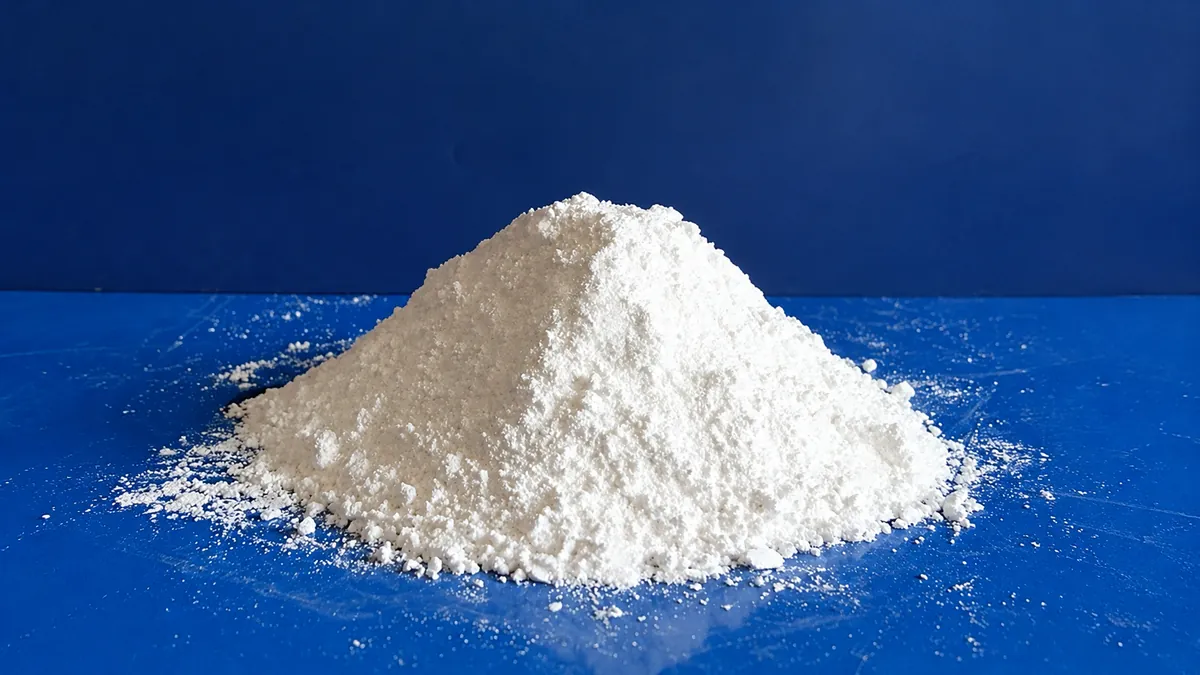
Zinc Oxide Plant at a Glance
| Typical capacity | ~5–50 TPD |
|---|---|
| Land | ~1–3 acres |
| Power load | ~200 kW–1 MW |
| Water | Low |
| Manpower | ~20–60 |
| Indicative investment | ~₹3–20 crore |
Investment basis: excludes land.
Figures are indicative ranges. Your project report works them out for your capacity and location.
Market Demand for Zinc Oxide Plants in India
Zinc oxide demand in India follows tyre and rubber output and the growth of ceramics. Production sits close to the galvanising and die-casting units that generate dross, mainly in Gujarat, Maharashtra, Punjab and Tamil Nadu. Export potential is medium, so most new units plan for domestic buyers first and add overseas orders later.
Seasonality is low, which keeps plant loading fairly even through the year.
- Tyre and rubber makers buying rubber grade
- Ceramic and glaze manufacturers
- Paint companies
- Pharma and cosmetics buyers needing IP grade
- Feed producers
Zinc Oxide Grades You Can Make
Rubber grade usually suits a first plant because tyre and rubber buyers form the largest customer group. Ceramic and feed grades can follow on the same line. Pharma/IP grade and active zinc oxide need tighter purity or a wet process, so plan them as a later step.
- Rubber grade, ceramic grade, pharma/IP grade, feed grade, active zinc oxide
Zinc Oxide Plant Process Explained
The zinc oxide plant process starts by melting zinc dross, ash or scrap, then vaporising the zinc in a muffle or retort furnace. The vapour burns in air to form oxide, which is carried through cooling ducts and caught in bag filters. The powder is then graded, sieved and packed.
Quality control matters at every stage. Buyers check ZnO content, lead and cadmium, surface area and colour, and IS 3399 is the reference standard for zinc oxide. Active zinc oxide follows a wet process instead of the French route.
- Melting zinc material
- Vaporisation in muffle or retort furnace
- Oxidation in air
- Collection in bag filters
- Grading and sieving
- Packing
Raw Materials and Machinery for a Zinc Oxide Plant
Zinc dross, zinc ash and zinc scrap are the main inputs, along with fuel for the furnaces. Most supply comes from galvanising and die-casting units in Maharashtra, Gujarat, Punjab and Tamil Nadu. The furnaces, oxidation chamber and bag filters decide both output quality and emission performance, so they deserve the closest attention when you compare vendors.
- Muffle or retort furnaces
- Oxidation chamber
- Cooling ducts
- Bag filters
- Classifier
- Packing
Zinc Oxide Plant Licence and Approvals
Start with business registration, then apply to the State Pollution Control Board before construction. Secondary zinc processing with furnaces is generally Red or Orange depending on fuel and state practice, and the State PCB fixes the category. Dross is regulated under the Hazardous Waste Rules, so hazardous waste authorisation and a factory licence are also needed. Check the current BIS requirement for IS 3399 early.
| Pollution category | Secondary zinc processing with furnaces: generally Red or Orange depending on fuel and state practice; the State PCB fixes the category |
|---|---|
| HSN code | 2817 (zinc oxide) |
| GST | 18% |
| BIS / quality control order | IS 3399 used by rubber and paint buyers; QCO coverage changes often; NPCS verifies the current BIS requirement during project planning |
| Other licences | Hazardous waste authorisation (dross is regulated under the Hazardous Waste Rules); factory licence |
Securing Zinc Dross for Your Plant
Dross supply is the first thing a lender will question. Tie up regular suppliers among galvanising and die-casting units in Maharashtra, Gujarat, Punjab and Tamil Nadu, and keep more than one source so a single shutdown doesn't stop your furnace. Because dross is a regulated hazardous waste, confirm that each supplier and your own storage meet the Hazardous Waste Rules. Testing zinc content in every lot also protects your yield and your grade.
Choosing the Right Zinc Oxide Technology
The French (indirect) process suits most plants making rubber, ceramic and feed grades from dross and ash. The wet process is used for active zinc oxide, which serves a narrower set of buyers. Most promoters begin with the French route and add wet-process capacity once customers ask for it. NPCS compares both routes against your budget and target buyers.
Government Schemes and Project Finance for a Zinc Oxide Plant
State incentives may apply to a zinc oxide plant, depending on where you set it up. A bankable report with costing, cash flow and payback gives lenders what they need to assess your application. NPCS reports are used for bank loans and government programmes such as PMEGP, MSME schemes, Mudra and NABARD-linked projects, subject to each lender's requirements.
What Decides Success in a Zinc Oxide Plant
Good operators secure dross early, control lead and cadmium, and keep bag filters working well. The main risks are raw material availability and emission control. Residue and slag also need a plan.
- Dependable dross supply
- Lead and cadmium control
- Efficient bag filters
- Recycling zinc residue
- Safe disposal of slag
How NPCS Helps You Set Up a Zinc Oxide Plant
NPCS supports the decisions that shape a zinc oxide plant: capacity, furnace and technology choice, machinery specifications and vendor selection. Our team also helps with plant layout, production guidance, and installation and commissioning assistance. The detailed project report then brings these choices together with approvals and finance, so you can present one clear plan to lenders.
NPCS's published client list records 3 assignments on zinc oxide projects between 2018 and 2019 for clients in 3 states, including techno-economic feasibility studies.
What Your Zinc Oxide Plant Project Report Covers
- Project introduction and BIS specifications
- Manufacturing process with flow sheet
- Market survey (demand, imports/exports, existing units)
- Personnel
- Plant and machinery with suppliers
- Land and building with layout
- Raw materials with sources and rates
- Financials (project cost, working capital, cost of production, profitability, break-even, 5–10 year cash flow, projected balance sheet, IRR/NPV/payback)
Zinc Oxide Plant: Frequently Asked Questions
How much does it cost to set up a zinc oxide plant in India?
An indicative investment is ~₹3–20 crore, excluding land, for a plant of about 5–50 TPD. The final figure depends on capacity, furnace type and pollution control equipment. Your project report works out the cost for your location.
Which licences are needed for a zinc oxide plant?
You need State PCB consent, hazardous waste authorisation and a factory licence. The pollution category is generally Red or Orange depending on fuel and state practice, and the State PCB fixes it. NPCS also verifies the current BIS requirement.
How much land and power does a zinc oxide plant need?
A typical plant needs about 1–3 acres and a power load of about 200 kW–1 MW. Water requirement is low. Actual needs depend on your capacity and furnace configuration, so confirm them in the project report.
How to start a zinc oxide plant business?
Begin with a feasibility study covering capacity, grades and dross sourcing. Then register the business, apply for State PCB consent, finalise furnaces and bag filters, and arrange finance. A detailed project report ties these steps together.
How can NPCS help with a zinc oxide plant project report?
NPCS prepares a detailed project report covering process, machinery, raw materials, approvals and financials. Our team also assists with technology choice, vendor selection and layout. Share your capacity and location, and we will tailor the report to them.