Glyceryl Triacetate Manufacturing Business and Its Industrial Applications
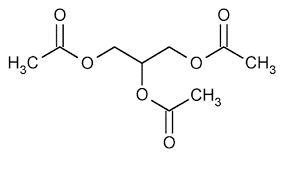
Glyceryl triacetate, also known as a triglyceride, is the triester of glycerol and acetic acid. People commonly refer to triacetoxypropane as triacetin or glycerin triacetate. Industries widely use this artificial chemical compound as a food additive, particularly as a solvent in flavorings and for its humectant function. Due to its wide industrial applications, the glyceryl triacetate manufacturing business is gaining attention among entrepreneurs. Triacetin also acts as a component of casting liquor with TG and serves as an excipient in pharmaceutical products, where it functions as a humectant, plasticizer, and solvent. This synthetic compound forms a clear, combustible, oily liquid with a bitter taste, and industries use it as a food additive.
Related Projects:- Chemicals (Organic, Inorganic, Industrial) Projects
Applications and Production Process in the Glyceryl Triacetate Manufacturing Business
The food sector uses glyceryl triacetate in several industries, including baked goods, beverages, chewing gum, confectionery, dairy desserts, and hard candy. Non-food industries also use it widely as a solvent, fixative, plasticizer, and in products such as perfumes and printing inks for non-absorbent surfaces.
Its high solvency power and low volatility make triacetate a good solvent and fixative for many flavors and fragrances. Glyceryl triacetate also serves several applications. It acts as a plasticizer in cigarette filters, a flavor and essence fixative, and a lubricant in cosmetics. In pharmaceutical products, it functions as an excipient, humectant, plasticizer, and solvent. It also works as a fuel additive and antiknock agent that helps reduce engine knocking in gasoline and improves the cold flow and viscosity properties of biodiesel. Manufacturers produce glyceryl triacetate through a multi-stage reaction involving glycerin, acetic acid, and acetic anhydride as raw materials.
Related Books:- Chemical Technology (Organic, Inorganic, Industrial), Fine Chemicals
Market Overview of Glyceryl Triacetate
- Globally, the market of Glyceryl triacetate was valued at USD 255.6 million in the year 2018 and is anticipates to reach USD 362.1 million by the year 2026 at a CAGR of 4.4 %. Glyceryl triacetate, also known as triacetin, is a triester of glycerol and acetic acid. Industries use this artificial chemical compound in various applications, including the tobacco industry, food additives, pharmaceutical products, fuel additives, humectants, plasticizers, and solvents. Fluctuations in raw material prices are likely to affect the demand for this product due to unstable costs. These raw materials include Ethyl Acetate, Glycerol, Amyl Acetate, Acetic Acid Glacial, and Dehydrolyzing Agent. In recent years, the FDA has approved triacetin for use in the food industry as a flavoring agent and adjuvant and has listed it on the Generally Recognized as Safe (GRAS) list.

- Triacetin’s compatibility with natural and synthetic rubber and resistance to light have increased its demand in the chemical industry. Recent FDA approval as a food additive and rising demand for plasticizers and humectants are expanding food and pharmaceutical sectors. The increasing use of triacetin in tobacco, food and beverages, cosmetics, pharmaceuticals, and other industries is driving the growth of the Triacetin/Glycerol Triacetate market across the globe.
- The market of triacetin is one of the fastest-growing at a CAGR of 6% in the Asia Pacific due to the growing population and increased demand for triacetin for use in different end-use industries. Continuous R & D activities and high investments in the pharmaceutical and cosmetic sectors by different governments and leading market players for the development of new products are also driving the growth of the triacetin market in the Asia Pacific region.
Related Projects:- Chemicals, Biotechnology, Enzymes, Bio Fertilizer, Vermiculture, Vermicompost Chemical & Allied Industries and Alcohol Projects
Conclusion
“Glyceryl Triacetate (triacetin) – Manufacturing Plant, Detailed Project Report, Profile, Business Plan, Industry Trends, Market Research, Survey, Manufacturing Process, Machinery, Raw Materials, Feasibility Study, Investment Opportunities, Cost & Revenue” is the project report by NPCS. With strong project consultancy and market research expertise, NPCS provides comprehensive project insights with high market growth potential. And through their reports NPCS aim to help you make sound and informed business decision.
Related Videos:- Chemicals (Organic, Inorganic, Industrial)
Noo_Art2021