
 Tata Steel
 JSW Steel
 ITC (Agri Business Division)
 Godrej & Boyce
 Aditya Birla Management Corporation
 Grasim Industries (Century Rayon)
 Thermax (Chemical Division)
 UPL
D2C brands, rural buyers and a steady move towards premium products are pulling more entrepreneurs into personal care. An FMCG and personal care consultant helps you pick the right project, size it and meet the rules before you invest. NPCS covers personal-care formulation and hygiene-product converting, including cosmetics, men's grooming and baby diapers. Our team prepares each FMCG and personal care project report around your capacity, budget and location, so you can decide with clear numbers.
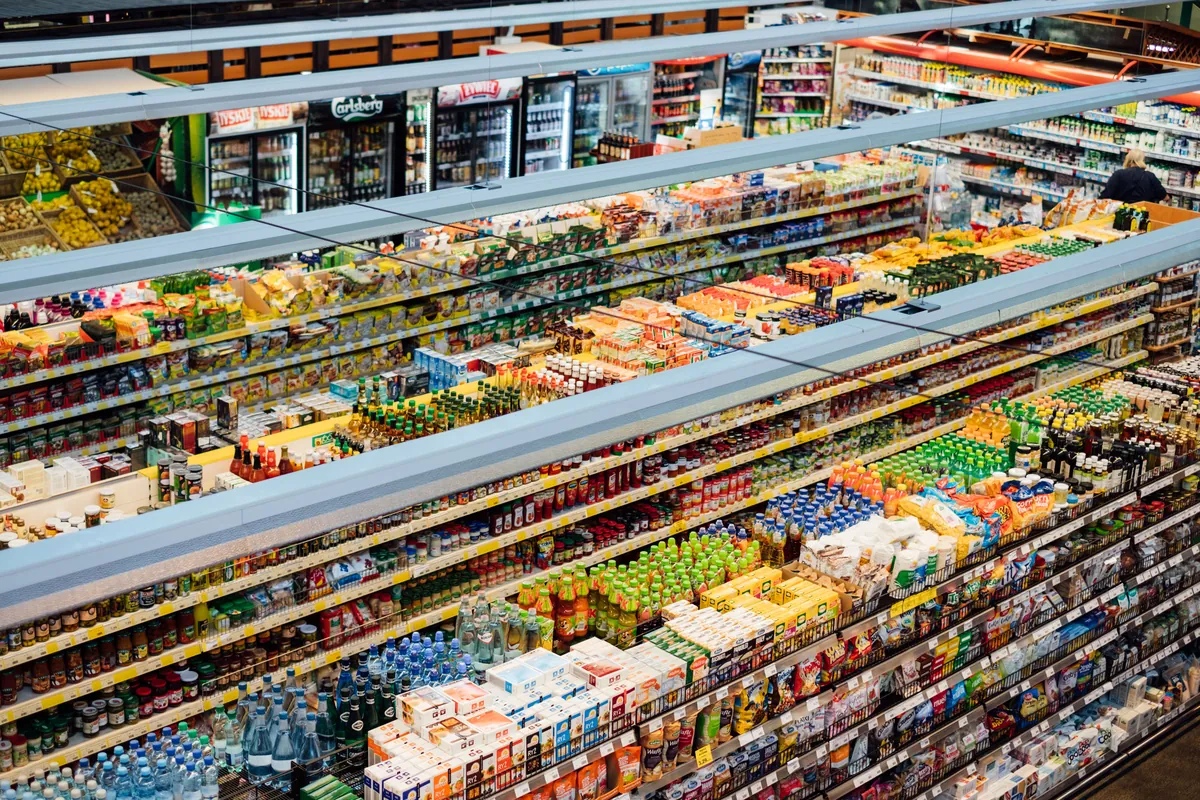
Opportunity in the FMCG and Personal Care Industry in India
Demand in Indian personal care is shaped by three forces: D2C brands, rural penetration and premiumisation. Small brands can now reach buyers online without large distribution networks. Meanwhile, households in smaller towns are adopting products that were once urban purchases.
Main buyer groups
- Cosmetics and men's grooming for own brands or contract manufacturing
- Baby diapers in tape and pant styles
Projects We Advise On
Cosmetics Manufacturing Unit
Formulating and filling personal-care and cosmetic products, creams, lotions, shampoos, hair oils, face washes, colour cosmetics and men's grooming, for own brands or as contract manufacturing.
- Main buyers
- D2C and e-commerce brands (contract manufacturing), distributors, salons, exporters
- Typical capacity
- ~1–20 TPD
Baby Diaper Plant
Producing disposable baby diapers, tape and pant style, on high-speed lines combining fluff pulp, super-absorbent polymer, non-wovens, elastics and back-sheet.
- Main buyers
- Distributors and pharmacies, modern trade, e-commerce, hospitals, private label, exporters
- Typical capacity
- ~1–5 lakh diapers/day per line
Perfume Manufacturing Unit
Compounding and bottling perfumes, deodorants and attars from fragrance oils and alcohol, for own brands and private label.
- Main buyers
- D2C brands, retail, gifting companies, exporters
- Typical capacity
- ~1,000–20,000 units per day
Air Freshener Manufacturing Unit
Making car and room air fresheners in hanging paper, gel, aerosol and liquid-diffuser formats.
- Main buyers
- Car accessory retailers, modern trade, e-commerce, hotels
- Typical capacity
- ~5,000–1 lakh units per day
Pan Masala Manufacturing Unit
Making tobacco-free pan masala and mouth fresheners from areca nut, cardamom and flavours, packed in sachets and tins.
- Main buyers
- Distributors and wholesalers, paan shops and retail
- Typical capacity
- ~1–20 TPD
Scouring Pad and Sponge Manufacturing Unit
Making non-woven abrasive scouring pads, sponge-scrub combos and steel wool for kitchen and industrial cleaning.
- Main buyers
- FMCG brands (private label), modern trade, distributors, HoReCa
- Typical capacity
- ~50,000–5 lakh pieces per day
Tobacco Processing Plant
Threshing and redrying leaf tobacco (green leaf threshing) to produce strips and stems for cigarette makers and exporters.
- Main buyers
- Cigarette manufacturers, leaf exporters
- Typical capacity
- ~5–20 tonnes per hour
Nicotine Pouch Manufacturing Unit
Filling pharma-grade nicotine with plant fibres, flavours and sweeteners into small pouches, mainly for export markets where they are permitted.
- Main buyers
- Overseas brand owners and distributors
- Typical capacity
- ~10–100 lakh cans per year
Bamboo Toothbrush Manufacturing Unit
Making bamboo-handle toothbrushes with nylon or plant-based bristles for eco-friendly personal care brands and exports.
- Main buyers
- Eco brands, hotels, e-commerce, exporters
- Typical capacity
- ~10,000–1 lakh brushes per day
Planning a Different FMCG and Personal Care Project?
These are a few of the projects we advise on. NPCS's published client list records 27 consumer and personal care products assignments, so tell us what you are planning.
More FMCG and Personal Care Projects We Cover
How to Choose the Right FMCG and Personal Care Project
Start by deciding whether you want to formulate and fill products or convert raw materials on a high-speed line. Cosmetics manufacturing covers creams, lotions, shampoos, hair oils, face washes and colour cosmetics, and it can run as your own brand or as contract manufacturing. A baby diaper plant combines fluff pulp, super-absorbent polymer, non-wovens, elastics and back-sheet on dedicated lines. Compare them on raw material needs, regulation and your selling route before settling on one.
| Project | Main inputs | Indicative investment | Power load |
|---|---|---|---|
| Cosmetics Manufacturing Unit | Emollients, emulsifiers, surfactants, actives, preservatives, fragrances, colours, base oils; bottles, tubes, jars, pumps | ~₹50 lakh–₹15 crore | ~50–400 kW |
| Baby Diaper Plant | Fluff pulp, SAP, non-wovens (top-sheet, ADL, cuffs), breathable PE back-sheet, spandex elastics, tapes, hot-melt adhesive, wetness indicator, packaging | ~₹10–40 crore (one full-servo line with building) | ~300 kW–1 MW |
| Perfume Manufacturing Unit | Fragrance compounds, perfumery-grade alcohol, fixatives, bottles, crimp pumps, aerosol cans and propellant | ~₹50 lakh–₹10 crore | ~30–200 kW |
| Air Freshener Manufacturing Unit | Fragrance oils, absorbent paper board, gel bases, aerosol cans and propellant, packaging | ~₹20 lakh–₹5 crore | ~20–150 kW |
| Pan Masala Manufacturing Unit | Areca nut (supari), catechu (katha), cardamom, lime, menthol, flavours, packaging laminates | ~₹1–20 crore | ~50–400 kW |
| Scouring Pad and Sponge Manufacturing Unit | Nylon or polyester fibre, abrasive grit, resin binders, PU foam, steel wire | ~₹1–10 crore | ~100–500 kW |
| Tobacco Processing Plant | Cured leaf tobacco from auction platforms | ~₹40–150 crore | ~1–3 MW |
| Nicotine Pouch Manufacturing Unit | Pharma-grade nicotine, microcrystalline cellulose and plant fibres, flavours, sweeteners, pouch material, cans | ~₹5–30 crore | ~100–400 kW |
| Bamboo Toothbrush Manufacturing Unit | Moso or local bamboo, nylon or castor-oil-based bristles, anchor wire, kraft packaging | ~₹50 lakh–₹5 crore | ~50–200 kW |
Common Approvals for FMCG and Personal Care Units
Most units in this sector need a Cosmetics Rules manufacturing licence and Legal Metrology compliance for packed goods. As a brand owner, you will also handle EPR, and diaper makers face obligations under the Solid Waste Management Rules. Pollution category is typically White or Green for converting and mixing units. However, it can move to Orange where boilers or larger wash-water volumes are involved, so confirm it for your process.
Approvals Common to FMCG and Personal Care Plants
- Cosmetics Rules manufacturing licence
- Legal Metrology
- EPR as brand owner
- Solid Waste Management Rules obligations for diapers
Pollution Category by Project (CPCB, January 2025)
- Cosmetics Manufacturing Unit
- Cosmetic formulation by mixing and filling is generally Green; units with boilers or larger wash-water volumes may be Orange
- Baby Diaper Plant
- Dry converting of diapers is generally White or Green (several state White lists cover napkin units)
- Perfume Manufacturing Unit
- Perfume blending and filling is generally Green or White; the State PCB fixes the category
- Air Freshener Manufacturing Unit
- Blending and filling is generally Green or White; aerosol gassing adds safety conditions
- Pan Masala Manufacturing Unit
- Dry blending and packing is generally Green; the State PCB fixes the category
- Scouring Pad and Sponge Manufacturing Unit
- Converting is generally White or Green; resin curing ovens can make it Orange
- Tobacco Processing Plant
- Leaf processing is generally Orange (dust); the State PCB fixes the category
- Nicotine Pouch Manufacturing Unit
- Blending and pouching is generally Green
- Bamboo Toothbrush Manufacturing Unit
- Generally Green
Schemes and Policy Changes for FMCG and Personal Care
PMEGP and state incentives are the schemes most relevant to new units here, and a bankable project report supports your application. Your lender will set its own requirements.
On the policy side, GST 2.0 cut shampoo, hair oil, toothpaste and soap to 5%. Baby diapers were also cut to 5%. Factor the revised rates into your pricing and margin assumptions.
Schemes and Incentives
- PMEGP
- State incentives
Policy Changes to Track
- GST 2.0: shampoo, hair oil, toothpaste and soap cut to 5%
- Baby diapers cut to 5%
How NPCS Supports Your FMCG and Personal Care Project
As an FMCG and personal care project consultant, NPCS works on the decisions that shape your plant: capacity, technology, machinery, vendors, layout and approvals. Our team prepares detailed and bankable project reports, feasibility studies and market research. We tailor each report to your product mix and location, and we keep your information strictly confidential.
NPCS's published client list records 27 assignments across consumer and personal care products projects between 2012 and 2024, for clients in 10 states and 8 countries.
FMCG and Personal Care organisations that appear in NPCS's published client list:
Hindustan Unilever, Dabur, Marico, RSPL, DS Group.
What Your FMCG and Personal Care Project Report Covers
- Project introduction and BIS specifications
- Manufacturing process with flow sheet
- Market survey (demand, imports/exports, existing units)
- Personnel
- Plant and machinery with suppliers
- Land and building with layout
- Raw materials with sources and rates
- Financials (project cost, working capital, cost of production, profitability, break-even, 5–10 year cash flow, projected balance sheet, IRR/NPV/payback)
FMCG and Personal Care: Frequently Asked Questions
Which FMCG and personal care business ideas in India suit a new entrepreneur?
Cosmetics manufacturing and baby diaper production are the two main options. Cosmetics suits smaller formulation and filling units, including contract manufacturing. Diapers need high-speed lines. Washing bars and scouring pads are later options. Your budget and selling route should guide the choice.
What licences does a personal care plant need?
You typically need a Cosmetics Rules manufacturing licence and Legal Metrology compliance. Brand owners also handle EPR, and diaper makers must meet Solid Waste Management Rules obligations. Exact requirements depend on your product, so confirm them while preparing the project report.
What is the pollution category for these units?
Converting and mixing units are typically White or Green. A unit becomes Orange where boilers or larger wash-water volumes are involved. The category depends on your process, so check it with the State Pollution Control Board before construction.
Can I get government support to start a unit?
PMEGP and state incentives are the main routes for this sector. A bankable project report helps support your application. Approval and amounts depend on the scheme and your lender, so NPCS cannot promise outcomes.
How does NPCS help with an FMCG and personal care project?
NPCS prepares project reports, feasibility studies and market research, and guides machinery selection, vendor selection, plant layout and approvals. Share your planned product and capacity, and our team will outline the next steps for your project.