
 New
Bestseller
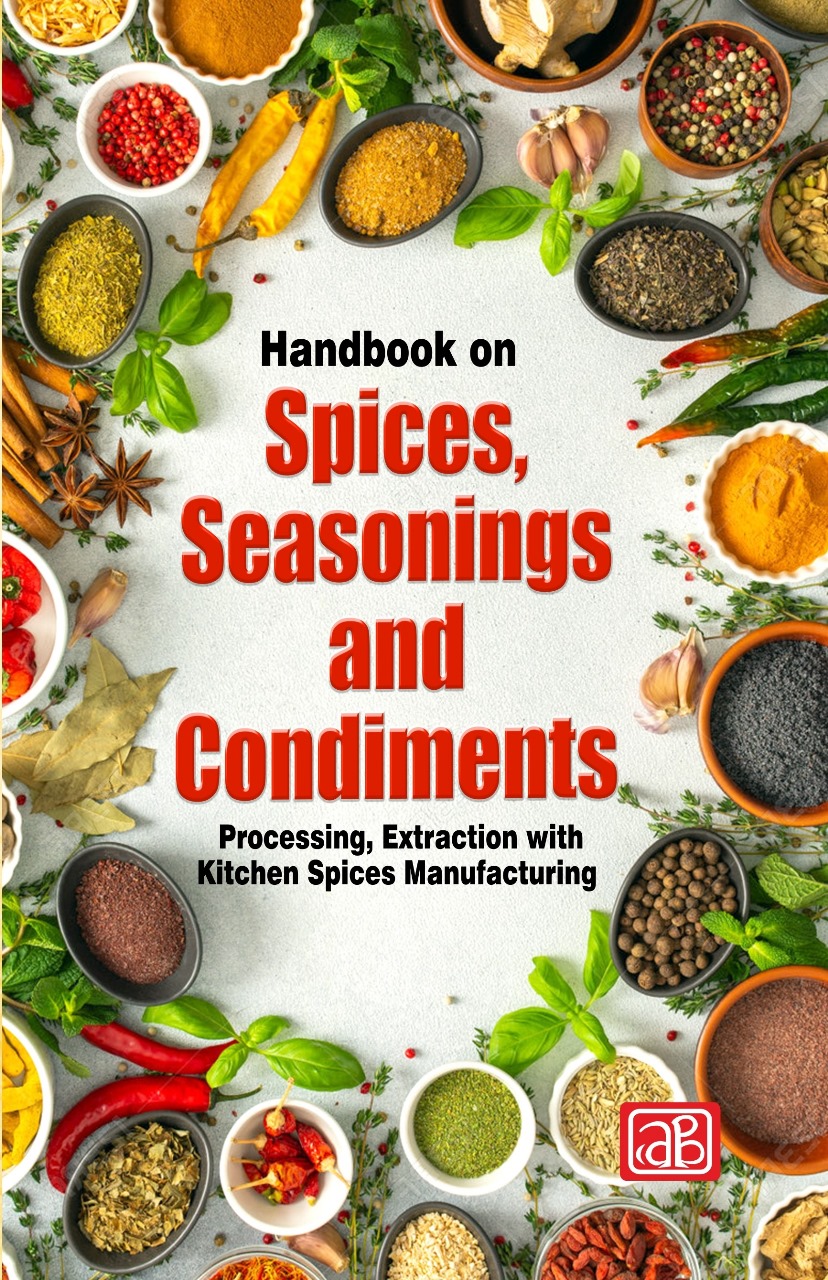
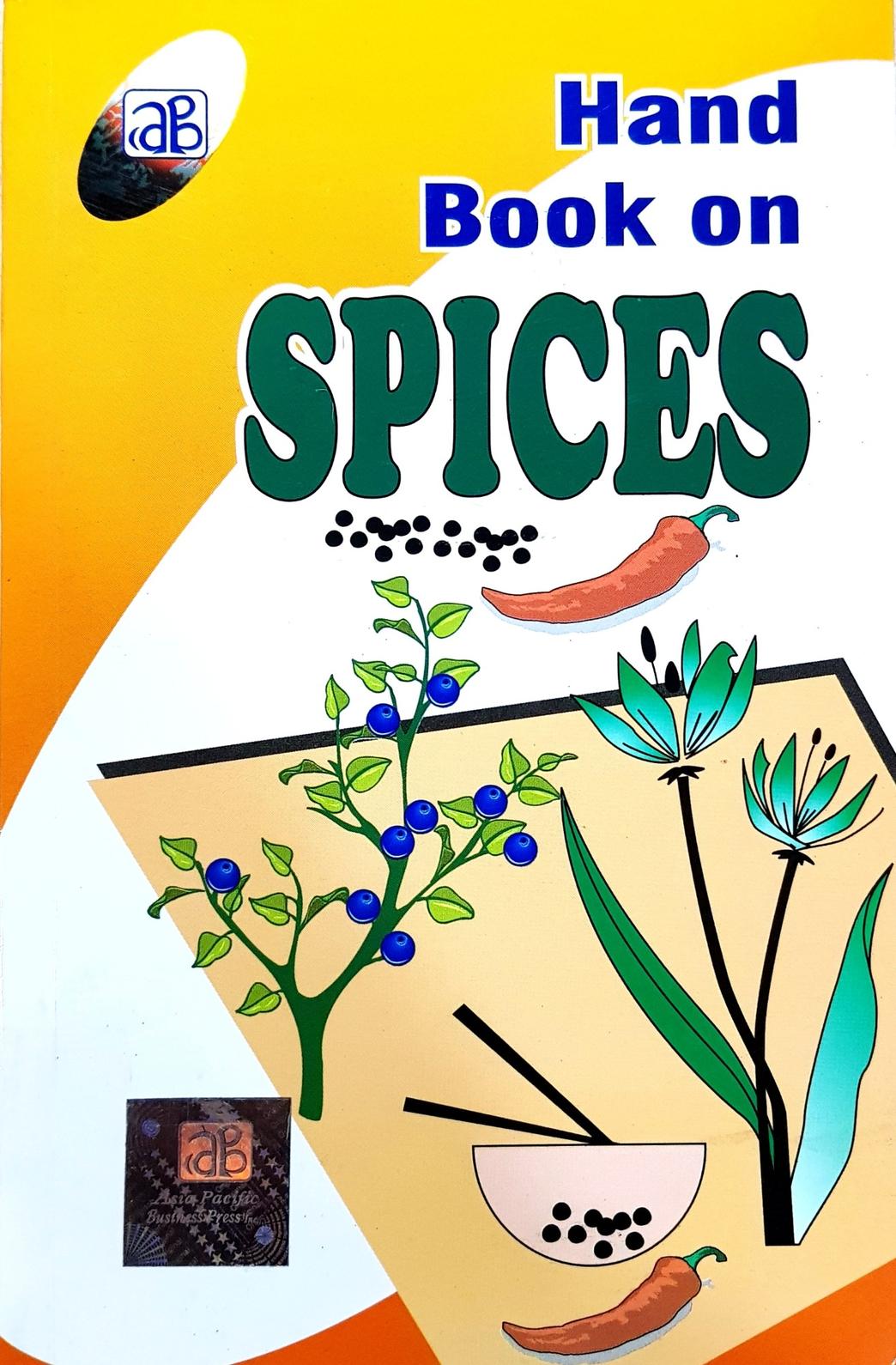
Handbook on Spices
Handbook on Spices
This book covers spices grown and traded in India, with chapters on organic spices, quality and value-added products, followed by individual spices from black pepper and cardamom to saffron and vanilla. It helps spice processors, traders and exporters understand each spice.
₹975 US$25.95
Plus GST as applicable
- Paperback
- 416 pages
- In stock, ships in 5 working days
- ISBN
- 8178330946
- Pages
- 416
- Author
- NIIR Board
- Publisher
- Asia Pacific Business Press Inc.
- Language
- English
- Product code
- NI20
Who this book is for
- Spice processors and grinders
- Spice traders and exporters
- Farmers growing spice crops
- Food and flavour companies
What's inside
- Organic spices and quality improvement by solar drying
- Quality standards for ajowan seed and powder
- Value-added exportable spice products
- Major spices such as black pepper, cardamom, ginger, turmeric and chillies
- Seed spices such as coriander, cumin, fennel and fenugreek
- Tree spices such as clove, cinnamon, nutmeg and mace
- Herbs and minor spices from basil and mint to thyme, vanilla and tamarind
Table of contents
Show or hide the full contents
1. Organic Spices
2. Quality Improvement in Spices by Solar Drying
3. Quality Standards for Ajowan Seed and its Powder
4. Value added Exportable Products from Spice
5. Black Pepper
6. Large Cardamim
7. Large Cardamim
8. Ginger
9. Turmeric
10. Chillies
11. Coriander
12. Cumin
13. Frnnel
14. Fenugreek
15. Celery
16. Dill
17. Kala Zira
18. Garlic
19. Onion
I. Common Onions
II. Aggregatum Onion
20. Clove
21. Cinnamin
22. Nutmet and Mace
23. Saffron
24. Ajowan or Bishop's Weed
25. Allspice or Pimenta
26. Amchur
27. Anardana
28. Angelica
29. Aniseed
30. Asafoetida
31. Balm or Lemon Balm
32. Basil or Sweet Basil
33. Bay or Laurel Leaves
34. Caper
35. Caraway
36. Cassia
37. Celeriac
38. Chervil
39. Curry Leaf
40. Galangal
41. Horse-Radish
42. Hyssop
43. Juniper
44. Kokam
45. Stone Leek or Welsh Onion
46. Lovage
47. Marjoram
48. Mint or Japanese Mint
49. Mustard
50. Oregano or Origanum
51. Parsley
52. Pepper - Black, White and Green
53. Peppermint
54. Poppy Seed
55. Rosemary
56. Sage
57. Savory
58. Shallot
59. Spearmint
60. Star-Anise
61. Sweet Flag or Calamus
62. Tarragon
63. Thyme
64. Vanilla
65. Tamarind
Need a detailed project report?
This book explains the technology. For a bank loan or an investment decision, NPCS also prepares project reports with plant cost, machinery and five-year financials.
About this book
Read the full description
Ever since the commencement of civilization India has been the world's most preferred destination of spices. The variety and nature of spices available in India makes the country to stand out of the crowd in the international arena. Undoubtedly the country is one of the leading producers and exporters of spices in the world. Getting proper information on this sector of the economy is sure to benefit many budding entrepreneurs. Featured as one of the best sellers the Handbook on Spices is a book for all those thinking of penetrating into the sector and will act as an additional sources of information that are in this line of trade.
The book has covered more than 55 spices produced in the country some of which are Black Pepper, Cardamoms, Ginger, Turmeric, Chillies, Vanilla, Tamarind, Coriander, Cumin seeds, Fenugreek, Dill, Garlic, and Onion etc. Along with the list of spices it also provides information on climatic conditions and soil type required for these spices, the planting requirements, the storage condition, composition, uses, the botanical aspect and the varieties of the product available. The chapter on spices will also provide you information about the Diseases and Pests from which the spices have to be protected, wherever required the basis of grading of the spice is also mentioned. The chapters also deal in the quality improvement in Spices by the Solar Drying, Quality Standards for Ajowan Seed and its Powder, Value added Exportable Products from Spice.
The spices demand have increased a lot in the world on account of fact that there has been increasing inhabitation of Indian community in developed countries and recently developed taste for Indian delicacies in the international forum. With different climates in different parts of country, India has the potential to produce a variety of spices. Thus the spice market is having a lot of future prospects. This book inculcates the wide-range of information on cultivation and processing of main spices and condiments of India which have been playing imperative role in the development and growth of national economies of several spices producing, importing and exporting countries. This book will be helpful for new entrepreneurs, spice growers, technologists and those who are already in the spice production and are looking to expand further in the present line.
Questions about this book
Is this a printed book or a PDF?
This is a paperback edition, shipped within 5 working days of payment. The free sample PDF on this page shows the contents and introduction.
Can I order from outside India?
Yes. Buyers outside India pay the US$ price shown. WhatsApp or email us for the delivery time to your country.
Can colleges, libraries or companies order in bulk?
Yes. Write to npcs.india@gmail.com or WhatsApp us with the titles and quantities for a quote.
How do I pay?
Add the book to the cart and pay online, or WhatsApp us to order and pay by bank transfer.