
 Aditya Birla Management Corporation
 UPL
 DCM Shriram Industries
 Tata Steel
 JSW Steel
 ITC (Agri Business Division)
 Godrej & Boyce
 Grasim Industries (Century Rayon)
A winery crushes, ferments, ages and bottles grapes into table and sparkling wines under a state winery licence. Entrepreneurs, grape growers and hospitality investors set these units up to sell through retail, hotels and restaurants, and wine tourism. A winery consultant helps you size the cellar, pick machinery, understand state excise rules and prepare a winery project report that lenders can read. NPCS has supported such planning since 1994.
Winery at a Glance
| Typical capacity | ~50,000–20 lakh litres per year |
|---|---|
| Land | ~2–10 acres plus vineyards |
| Power load | ~100–500 kW |
| Water | Moderate |
| Manpower | ~10–80 |
| Indicative investment | ~₹3–50 crore |
Investment basis: excludes land and vineyards.
Figures are indicative ranges. Your project report works them out for your capacity and location.
Market Demand for Wineries in India
Demand for Indian wine rests on a growing wine culture and rising tourism. Production is concentrated around Nashik, Sangli, Bengaluru and Bijapur, where grape supply and state wine policies sit close together.
Your sales will usually come through three channels:
- State liquor channels for regular retail volume
- Hotels and restaurants for premium labels
- Wine tourism through tasting rooms and cellar visits
Wine Products You Can Make
Most new wineries begin with red, white and rosé table wines, since these suit hotels and retail shelves alike. Sparkling, fortified and fruit wines can follow once your brand and distribution are stable.
- Red, white and rosé table wines, sparkling wine, fortified and fruit wines
Winery Process and Quality Control
The winery process moves from harvest and crushing through fermentation, pressing, clarification, ageing, filtration and bottling. Reds include a skin contact stage, which gives colour and body. Whites skip it.
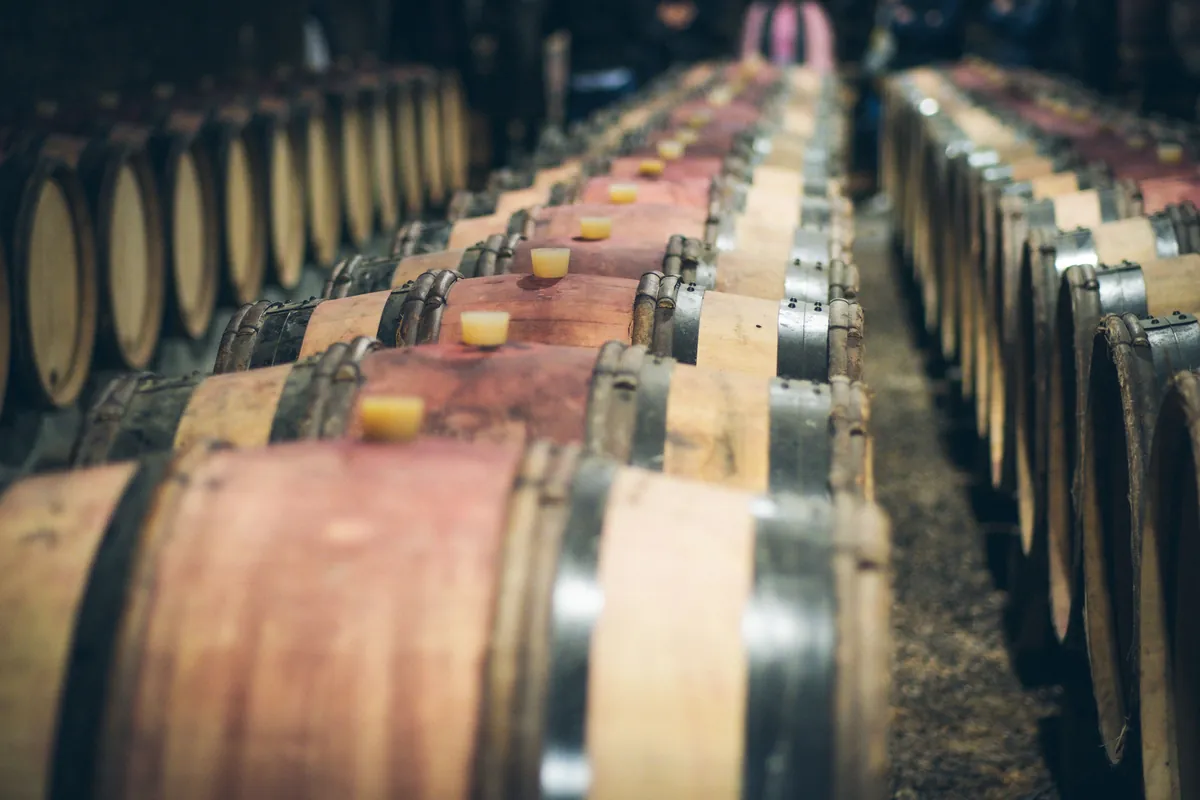
Ageing in tanks or barrels is where style is decided. Barrels add cost and time, while tanks give faster turnover.
Quality is checked at several points. Labs test alcohol, acidity and sulphite levels, and the finished wine must meet FSSAI alcoholic beverage standards. Temperature control during fermentation is the single most important operating discipline.
- Harvest and crushing
- (skin contact for reds)
- Fermentation
- Pressing
- Clarification
- Ageing in tanks or barrels
- Filtration
- Bottling
- Cellaring
Raw Materials and Machinery for a Winery
Wine grapes such as Cabernet, Shiraz, Chenin Blanc and Sauvignon Blanc are the main input, along with yeast, bottles and corks. Growers around Nashik and Sangli in Maharashtra, and Bijapur and the Bengaluru region in Karnataka, are common sources. Fermentation tanks with temperature control and the bottling line carry the largest share of equipment decisions.
- Crusher-destemmer
- Presses
- Fermentation tanks with temperature control
- Barrels
- Filters
- Bottling line
Winery Licence and Approvals in India
A winery licence and approvals plan starts with the state excise winery licence, since everything else depends on it. Wineries are generally Orange under pollution rules, but the State PCB fixes the category. Obtain consent to establish before construction and consent to operate before production.
- State excise winery licence
- FSSAI licence
- Label registration
- Consent from the State Pollution Control Board
| Pollution category | Wineries are generally Orange; the State PCB fixes the category |
|---|---|
| HSN code | 2204 (wine of fresh grapes) |
| GST | Outside GST (state excise and VAT apply) |
| BIS / quality control order | No QCO |
| FSSAI | FSSAI licence |
| Other licences | State excise winery licence; label registration; Maharashtra and Karnataka wine policies offer lower duties and tasting-room permissions |
Managing Seasonality and Working Capital in a Winery
Harvest runs from January to April, so grape purchase and crushing costs fall in a short window. Wine then sits in tanks or barrels before it earns revenue. You'll need working capital to cover grapes, ageing stock and bottling, often months before sales begin. Planning this cash cycle early keeps a good vintage from straining the business.
Making Money from Winery By-Products
Grape pomace, the skins and seeds left after pressing, is the main by-product of a winery. It can be turned into compost or used for grape seed oil. Selling it won't carry the business, but it reduces waste handling and adds a small second income stream that your project report can account for.
Government Schemes and Project Finance for a Winery
State grape-processing and wine policies offer excise concessions, and Maharashtra and Karnataka also allow lower duties and tasting-room permissions. Lenders look for a clear, bankable report. NPCS reports are used for bank loans and programmes such as PMEGP, MSME schemes, Mudra and NABARD-linked projects, subject to each lender's requirements.
What Decides Success in a Winery
Good operators get three things right, and they plan for one recurring risk.
- Grape quality, secured through steady grower relationships
- A recognisable brand
- Reliable distribution in each state
- Risk: state-by-state excise rules that change your costs and routes
How NPCS Helps You Set Up a Winery
NPCS supports the decisions that shape a winery: boutique or contract-crushing scale, machinery selection, vendor choice and plant layout. Our team also guides production process planning, approvals and finance. We prepare detailed project reports and feasibility studies, then assist with installation and commissioning once your plan is final.
NPCS's published client list records 6 assignments on winery projects between 2012 and 2020 for clients in 5 states, including bankable project reports and techno-economic feasibility studies.
What Your Winery Project Report Covers
- Project introduction and BIS specifications
- Manufacturing process with flow sheet
- Market survey (demand, imports/exports, existing units)
- Personnel
- Plant and machinery with suppliers
- Land and building with layout
- Raw materials with sources and rates
- Financials (project cost, working capital, cost of production, profitability, break-even, 5–10 year cash flow, projected balance sheet, IRR/NPV/payback)
Winery: Frequently Asked Questions
What is the winery setup cost in India?
Investment is typically in an indicative range of ₹3–50 crore, depending on capacity and scale. This excludes land and vineyards. Your project report works out the exact figure for your capacity, machinery and location.
Which licences are needed to start a winery?
You need a state excise winery licence, an FSSAI licence and label registration. Wineries are generally Orange under pollution rules, though the State PCB fixes the category. Rules differ by state, so check early.
How much land and power does a winery need?
A winery typically needs about 2–10 acres plus vineyards, and a power load of roughly 100–500 kW. Water requirement is moderate. Actual needs depend on your capacity and whether you add barrels and a tasting room.
How to start a winery business?
Begin by choosing a state and scale, then secure grape supply and a project report. Apply for the excise licence and pollution consents, order machinery, and plan distribution. Harvest runs January to April, so time your setup around it.
How can NPCS help with a winery project?
NPCS prepares the project report, feasibility study and market research, and guides machinery, vendor selection and layout. Our team also supports installation and commissioning. Share your capacity and location, and we'll outline the next steps.