
 Aditya Birla Management Corporation
 UPL
 DCM Shriram Industries
 Tata Steel
 JSW Steel
 ITC (Agri Business Division)
 Godrej & Boyce
 Grasim Industries (Century Rayon)
A virgin coconut oil plant turns fresh coconut kernel into unrefined oil by cold or hot processing, without chemical refining. Health-food brands, cosmetic makers and exporters buy it, so entrepreneurs in coconut-growing states increasingly set up such units. A virgin coconut oil plant consultant helps you pick the process, size the plant and prepare approvals. NPCS has done this since 1994, and our team builds reports around your capacity and location.
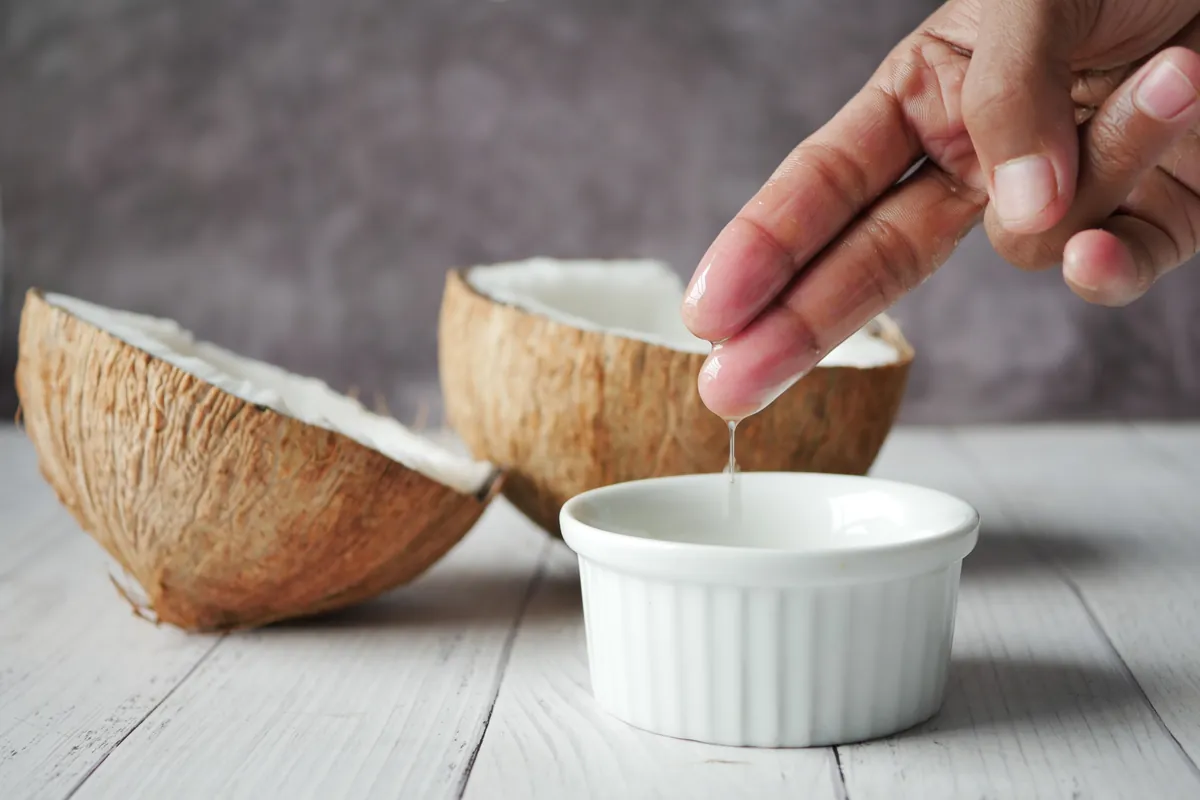
Virgin Coconut Oil Plant at a Glance
| Typical capacity | ~2,000–20,000 nuts/day |
|---|---|
| Land | ~0.5–2 acres |
| Power load | ~50–250 kW |
| Water | Moderate |
| Manpower | ~15–60 |
| Indicative investment | ~₹50 lakh–₹8 crore |
Investment basis: excludes land.
Figures are indicative ranges. Your project report works them out for your capacity and location.
Market Demand for Virgin Coconut Oil in India
Demand for virgin coconut oil comes from buyers who want clean-label oils and natural personal care products. Production is concentrated near coconut supply, in Kerala, Pollachi, Tiptur and Andhra Pradesh. Export potential is high, which gives a plant a second market beyond domestic retail. The main buyer groups are:
- Health-food brands using it as edible oil and in nutraceuticals
- Cosmetic and hair care makers, including baby care ranges
- Exporters serving overseas buyers
- Retail and e-commerce sellers
Virgin Coconut Oil Products You Can Make
Most new units start with cold-pressed or hot-processed oil, then add fermented VCO if buyers ask for it. Coconut milk and desiccated coconut work as allied lines that use the same kernel and equipment. Choose the variant according to whether you sell to food brands, cosmetic makers or exporters.
- Cold-pressed VCO, hot-processed VCO, fermented VCO
- Coconut milk and desiccated coconut as allied lines
Virgin Coconut Oil Plant Process
The virgin coconut oil plant process starts with fresh mature coconuts and ends with filtered, dried oil that goes straight into filling. The key choice is how you separate oil from the extracted milk: a cold centrifuge, fermentation or low-heat method. Some plants instead micro-expel oil directly from dried grated kernel. Quality is controlled at the end of each stage, and finished oil is tested for moisture, free fatty acids, peroxide value, clarity and aroma. Buyers also expect compliance with FSSAI standards and Codex for VCO, so the lab setup matters as much as the machines.
- Dehusking and deshelling
- Paring
- Kernel grating
- Milk extraction
- Separation (centrifuge, fermentation or low-heat)
- Filtration
- Moisture removal
- Filling
Raw Materials and Machinery for a VCO Plant
Your main input is fresh mature coconuts, plus bottles, jars or drums for packing. Supply typically comes from Kerala, Tamil Nadu (Pollachi), Karnataka (Tiptur), Andhra Pradesh and Lakshadweep. The machines that decide output and quality are the grater, the coconut milk extractor, and the decanter or centrifuge. A vacuum dryer then removes moisture before filling.
- Dehusker
- Sheller
- Parer
- Grater
- Coconut milk extractor
- Decanter or centrifuge
- Vacuum dryer
- Filter press
- Filling line
Licences and Approvals for a Virgin Coconut Oil Plant
Virgin coconut oil plant licence and approvals follow a set order: unit registration, consent to establish from the State Pollution Control Board before construction, then the FSSAI licence, and finally consent to operate. Food processing units are Green below 10 KLD wastewater without a boiler, and Orange with a boiler or 10 KLD or more. No QCO applies to this product.
- FSSAI licence, with labelling as per FSSAI oil standards
- Coconut Development Board registration, helpful for schemes
- Legal Metrology registration for packed goods
- APEDA or CDB registration for exports
| Pollution category | Food processing: Green below 10 KLD wastewater without boiler (CPCB S.No. 56.2); Orange with boiler or 10 KLD+ wastewater (56.1) |
|---|---|
| HSN code | 1513 11 (crude coconut oil, incl. virgin) |
| GST | 5% on edible coconut oil; hair-oil packs follow a different entry, applied in the project financials |
| BIS / quality control order | No QCO |
| FSSAI | FSSAI licence; VCO labelled as per FSSAI oil standards |
| Other licences | Coconut Development Board registration (helpful for schemes); Legal Metrology; APEDA/CDB for exports |
Choosing the Right VCO Technology
The cold-centrifuge route gives a light-coloured oil with a fresh aroma and suits buyers in food and cosmetics. Fermentation needs less heavy equipment but demands careful control of time and hygiene. The hot process is simpler, though some premium buyers prefer cold-processed oil. Direct micro-expelling from dried grated kernel is another option for those wanting fewer steps. Your target buyer, budget and nut supply should decide the route, and your project report compares each option on cost.
Managing Seasonality and Working Capital
Coconut supply peaks from February to May, so raw material is cheapest and easiest to buy in those months. Plan working capital to cover nut purchases when prices are favourable, since oil is made from fresh nuts and can't wait. Price swings in coconuts can squeeze margins, so build a buffer into your cash cycle. Tie-ups with farmers and a steady order book from brands also help smooth the year.
Government Schemes and Project Finance
Schemes that may apply to a virgin coconut oil unit include the Coconut Development Board Technology Mission on Coconut, PMFME and PMEGP. Eligibility depends on your unit size and location. Our reports are used for bank loans and government programmes such as PMEGP, MSME schemes, Mudra and NABARD-linked projects, subject to each lender's requirements.
What Decides Success in a Virgin Coconut Oil Plant
Good operators secure fresh nut supply, keep free fatty acids low and hold the certifications buyers ask for, such as organic and export approvals. Plan for these risks as well:
- Coconut price swings
- Shelf-life of the finished oil
- Adulteration perception among buyers
- Selling residue cake, shells and husk to offset costs
How NPCS Helps You Set Up a Virgin Coconut Oil Plant
Our team supports the decisions that shape your plant: capacity, process route, machinery selection and vendors, plant layout and approvals. We also guide production process and installation and commissioning. Your virgin coconut oil plant project report ties these together into financials a bank can assess, tailored to your capacity, budget and location.
NPCS's published client list records 6 assignments on virgin coconut oil projects between 2016 and 2019 for clients in 2 states and 1 country, including bankable project reports, techno-economic feasibility studies and market research reports.
What Your Virgin Coconut Oil Plant Project Report Covers
- Project introduction and BIS specifications
- Manufacturing process with flow sheet
- Market survey (demand, imports/exports, existing units)
- Personnel
- Plant and machinery with suppliers
- Land and building with layout
- Raw materials with sources and rates
- Financials (project cost, working capital, cost of production, profitability, break-even, 5–10 year cash flow, projected balance sheet, IRR/NPV/payback)
Virgin Coconut Oil Plant: Frequently Asked Questions
What is the virgin coconut oil plant setup cost in India?
Investment typically ranges from ₹50 lakh to ₹8 crore, depending on capacity. This is indicative and excludes land. Your final figure depends on the process route, machinery and building, which a project report works out for your plant.
Which licences and pollution category apply to a VCO plant?
You need an FSSAI licence, Legal Metrology registration and consent from the State Pollution Control Board. Units are Green below 10 KLD wastewater without a boiler, and Orange with a boiler or 10 KLD or more.
How much land and power does a virgin coconut oil plant need?
Plants typically need about 0.5–2 acres and a power load of about 50–250 kW, depending on capacity. Water use is moderate. Capacity usually runs from about 2,000–20,000 nuts a day.
How to start a virgin coconut oil plant business?
Start by fixing capacity, process route and target buyers. Then secure a location near coconut supply, prepare a project report, apply for approvals and finance, and select machinery. Our team can guide each step.
How can NPCS help with my VCO project?
NPCS prepares the project report, advises on technology, machinery and vendors, and supports approvals and finance planning. Share your planned capacity and location, and our team will outline the project cost and next steps.