
 Aditya Birla Management Corporation
 UPL
 DCM Shriram Industries
 Tata Steel
 JSW Steel
 ITC (Agri Business Division)
 Godrej & Boyce
 Grasim Industries (Century Rayon)
A tamarind processing plant turns raw pods into deseeded pulp, paste, concentrate and powder, with the seeds going into tamarind kernel powder (TKP) for textile and paper sizing. Food makers, exporters and textile mills are the main buyers. A tamarind processing plant consultant helps you pick the right product mix, size the plant and line up approvals before you commit capital. Our team at NPCS supports this planning with a detailed project report built around your capacity and location.
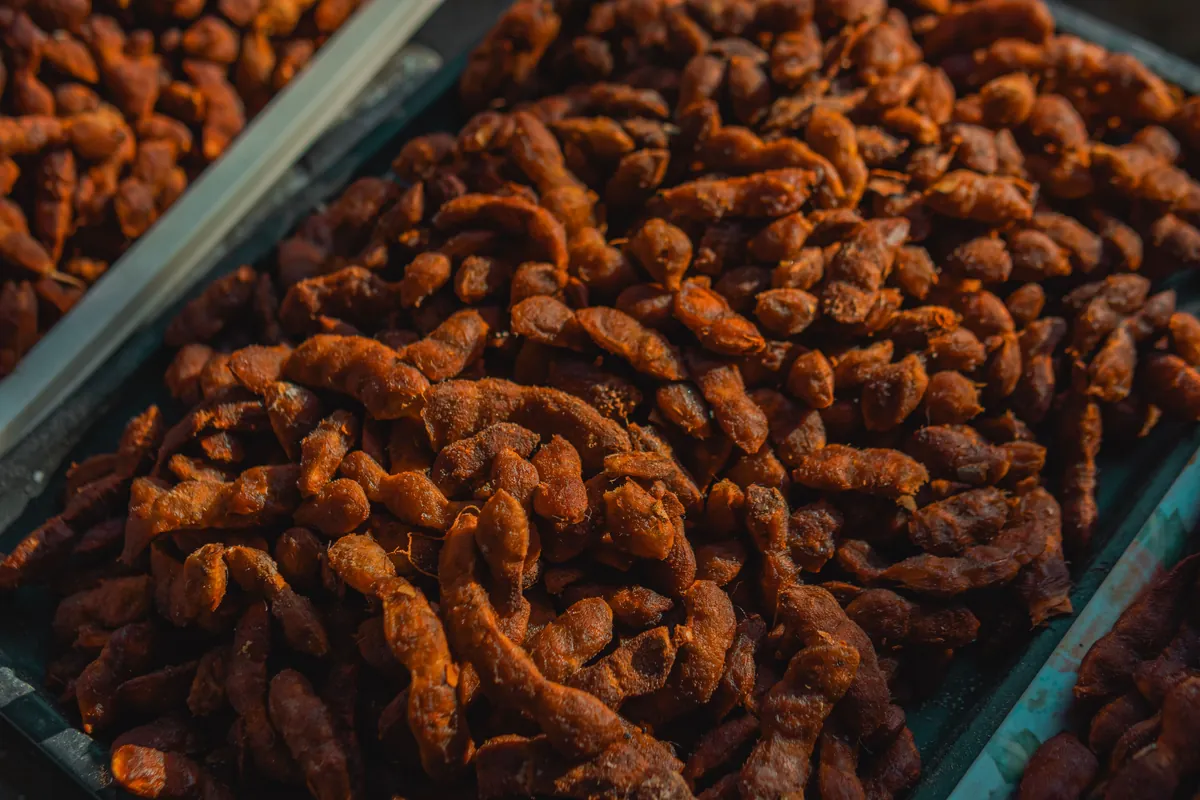
Tamarind Processing Plant at a Glance
| Typical capacity | ~2–30 TPD |
|---|---|
| Land | ~0.5–3 acres |
| Power load | ~50–400 kW |
| Water | Moderate |
| Manpower | ~15–60 |
| Indicative investment | ~₹50 lakh–₹10 crore |
Investment basis: excludes land.
Figures are indicative ranges. Your project report works them out for your capacity and location.
Market Demand for Tamarind Processing in India
Demand for processed tamarind comes mainly from convenience pastes and exports. Food companies use pulp and paste in sauces, chutneys and beverages, while textile and paper units buy TKP as a sizing agent. Export potential is medium, so most units start with domestic buyers and add export customers later. Processing is concentrated near the pod supply.
- Food makers buying pulp, paste and concentrate
- Exporters needing consistent, clean product
- Textile mills buying TKP for sizing
- Paper units using TKP as a sizing agent
- Clusters in Tumakuru in Karnataka, Andhra Pradesh and Bastar in Chhattisgarh
Tamarind Products You Can Make
Most new units begin with deseeded tamarind or paste, because these sell straight to food makers. Powder suits buyers who want longer shelf life. TKP and jellose from the seeds serve textile and industrial buyers, so they need a separate seed line and a different customer base.
- Deseeded tamarind, tamarind paste and concentrate, tamarind powder, tamarind kernel powder (TKP), jellose (seed polysaccharide)
Tamarind Processing Plant Process
The tamarind processing plant process starts with dehulling and deseeding the pods, then extracting pulp. Pulp is cooked and concentrated to make paste, or dried to make powder. Seeds follow their own route of roasting, decortication and milling into TKP.
Quality is controlled at the pulp and concentration stages, where acidity, moisture and microbial limits are checked against FSSAI standards. The technology choice matters here. Small paste units keep cost low, while concentrate lines with evaporators give a more uniform product for larger buyers.
- Dehulling
- Deseeding
- Pulp extraction
- Cooking and concentration (paste)
- Drying (powder)
- Packing; seeds: roasting, decortication, milling (TKP)
Raw Materials and Machinery for Tamarind Processing
Tamarind pods are the only major raw material, sourced mainly from Karnataka, Andhra Pradesh, Telangana, Tamil Nadu and Chhattisgarh. The machines that matter most are the deseeder and pulper for the front end, and the evaporator and dryer for finished products. A seed decorticator and pulveriser are needed if you plan TKP.
- Dehuller
- Deseeder
- Pulper
- Cooking kettles
- Evaporator
- Dryer
- Seed decorticator
- Pulveriser
Licences and Approvals for a Tamarind Processing Plant
Tamarind processing plant licence and approvals follow a set order. Register the unit first, then obtain consent to establish from the State Pollution Control Board before construction. Apply for the FSSAI licence before production, and consent to operate once the plant is ready. Exporters also need an APEDA RCMC.
- Green category below 10 KLD wastewater without a boiler
- Orange category with a boiler or 10 KLD+ wastewater
- Minor forest produce rules where applicable
| Pollution category | Food processing: Green below 10 KLD wastewater without boiler (CPCB S.No. 56.2); Orange with boiler or 10 KLD+ wastewater (56.1) |
|---|---|
| HSN code | 0813 (tamarind), 1302 (TKP) |
| GST | Classification-dependent by product; applied in the project financials |
| BIS / quality control order | No QCO |
| FSSAI | FSSAI licence |
| Other licences | APEDA RCMC; minor forest produce rules where applicable |
Choosing the Right Tamarind Processing Technology
Small paste units suit entrepreneurs who want a lower investment and local buyers. They rely on cooking kettles and simpler handling. Concentrate lines with evaporators cost more but suit food manufacturers and exporters who want consistent concentration.
Your choice also affects pollution category, since a boiler can move the unit into Orange. NPCS compares both routes against your budget, target buyers and expected capacity before you finalise machinery.
Making Money from Tamarind By-Products
Seeds and shells can add income instead of becoming waste. Seeds are roasted, decorticated and milled into TKP, which textile mills and paper units buy for sizing. Jellose, the seed polysaccharide, is another possible product.
Shells can serve as fuel for the plant's own heating needs. Planning the seed line at the start is cheaper than adding it later, so decide this when sizing the plant.
Government Schemes and Project Finance for Tamarind Processing
PMFME applies to tamarind in ODOP districts, and Van Dhan Yojana supports forest produce processing. A bankable project report helps when you approach lenders. NPCS reports are used for bank loans and government programmes such as PMEGP, MSME schemes, Mudra and NABARD-linked projects, subject to each lender's requirements.
What Decides Success in a Tamarind Processing Plant
Good operators buy pods at harvest, which runs from January to April, and store enough stock for the rest of the year. The main risk is the cost of manual deseeding, which can push up your production cost.
- Procurement at harvest
- Stock planning for the off-season
- Mechanising or streamlining deseeding
- Selling seeds as TKP and shells as fuel
How NPCS Helps You Set Up a Tamarind Processing Plant
Our team helps you decide capacity, technology and product mix, then works through machinery selection and technical specifications. We support vendor selection, plant layout and production process guidance. We also prepare the financial sections lenders look at, and assist with installation and commissioning once your approvals are in place.
NPCS's published client list records 223 assignments across food and agro processing projects between 2009 and 2026, for clients in 28 states and 26 countries.
What Your Tamarind Processing Plant Project Report Covers
- Project introduction and BIS specifications
- Manufacturing process with flow sheet
- Market survey (demand, imports/exports, existing units)
- Personnel
- Plant and machinery with suppliers
- Land and building with layout
- Raw materials with sources and rates
- Financials (project cost, working capital, cost of production, profitability, break-even, 5–10 year cash flow, projected balance sheet, IRR/NPV/payback)
Tamarind Processing Plant: Frequently Asked Questions
How much does a tamarind processing plant cost to set up?
Tamarind processing plant setup cost in India typically ranges from about ₹50 lakh to ₹10 crore, depending on capacity and technology. This is indicative and excludes land. Your project report works out the exact figure for your plan.
Which licences are needed for a tamarind processing plant?
You need an FSSAI licence, and consent from the State Pollution Control Board. Exporters need an APEDA RCMC. The plant is Green below 10 KLD wastewater without a boiler, and Orange with a boiler or 10 KLD+ wastewater.
How much land and power does a tamarind plant need?
A plant typically needs about 0.5–3 acres and a power load of about 50–400 kW. Water use is moderate. Actual needs depend on your capacity and whether you add concentrate or TKP lines.
How to start a tamarind processing plant business?
Begin by choosing your product mix and capacity, then secure a site near pod supply. Prepare a project report, obtain registrations, consent to establish and the FSSAI licence, and finalise machinery. Plan pod procurement for the January to April harvest.
How does NPCS help with a tamarind processing plant project report?
NPCS prepares a tamarind processing plant project report covering process, machinery, raw materials, approvals and financials for your capacity and location. Our team also guides technology choice, vendor selection and layout. Share your plan and we'll outline the next steps.