
 Tata Steel
 JSW Steel
 Tata Metaliks
 Shyam Metalics and Energy
 KRIBHCO Infrastructure
 Sarda Metals & Alloys
 Shyam Steel
 Shyam Steel Industries
Distributors, hotel suppliers, caterers and gifting companies keep a steady demand for pressed and polished stainless steel ware, and entrepreneurs set up plants to supply them. A stainless steel utensils manufacturing consultant helps you decide the product range, plant size and investment before you commit to dies and presses. NPCS prepares project reports, selects machinery with you and guides approvals for plates, bowls, cookware, tiffin boxes and hotelware.
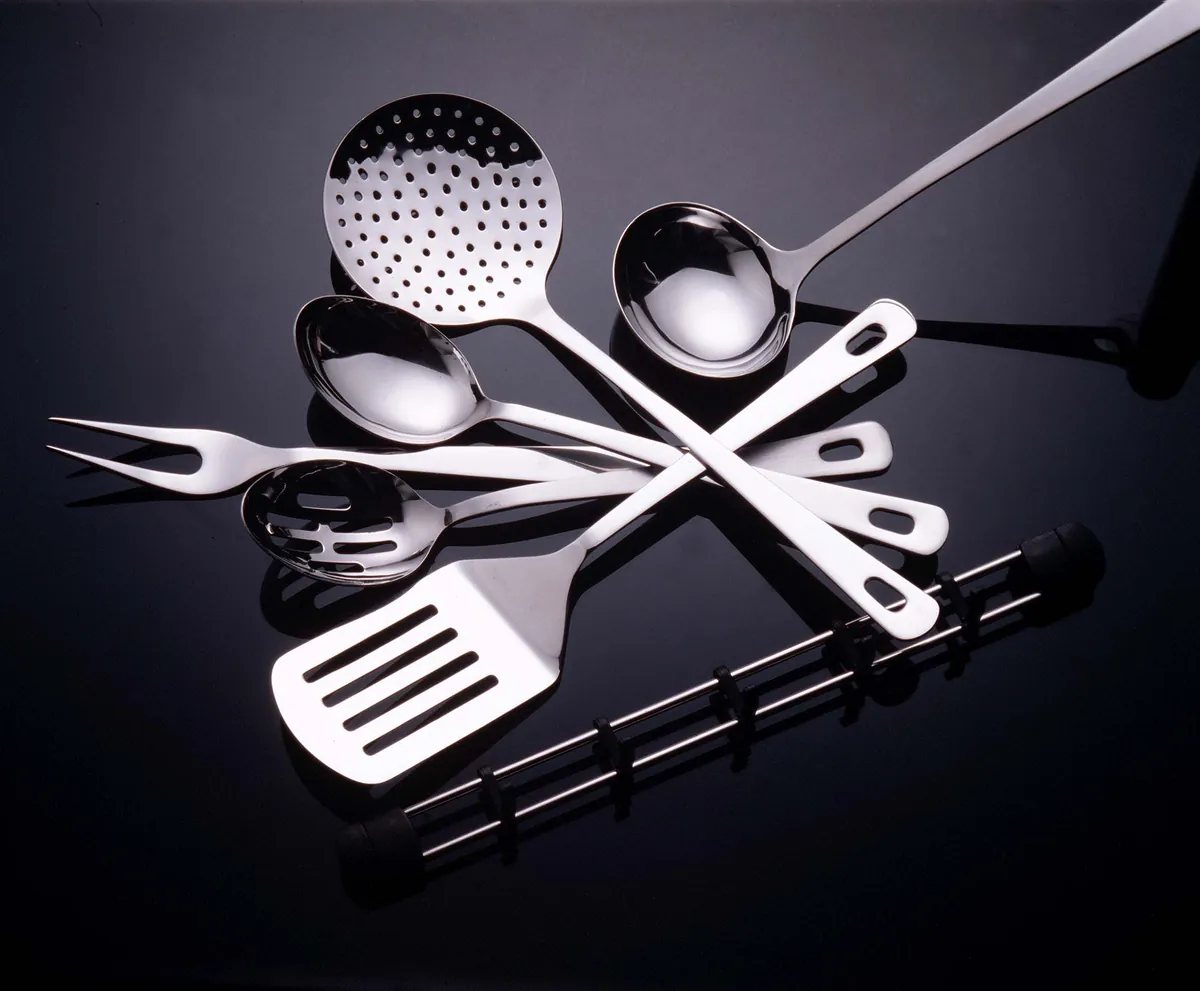
Stainless Steel Utensils Manufacturing at a Glance
| Typical capacity | ~200–3,000 TPA |
|---|---|
| Land | ~0.5–3 acres |
| Power load | ~200 kW–1 MW |
| Water | Moderate |
| Manpower | ~30–150 |
| Indicative investment | ~₹2–20 crore |
Investment basis: excludes land.
Figures are indicative ranges. Your project report works them out for your capacity and location.
Market Demand for Stainless Steel Utensils in India
Demand for stainless steel utensils comes mainly from households, hotels and catering, institutions and gift buyers. Growth in HoReCa and the shift away from plastic keep orders steady. Production is concentrated in Jagadhri in Haryana, Wazirpur in Delhi, Mumbai and Gujarat, so new units often sell through established distributor networks. Export potential is medium.
- Distributors and retailers who stock household ranges
- Hotels and caterers buying hotelware in volume
- E-commerce sellers needing branded, packed sets
- Gifting companies that want finished, marked pieces
Stainless Steel Utensil Products You Can Make
Most new units start with a narrow range and add products as dies and customers grow. Plates, bowls and glasses suit distributors and retail, while hotelware suits caterers and institutions. Cookware and tiffin boxes need more assembly work, so they usually come later.
- Plates, bowls and glasses, cookware, tiffin and food storage containers, hotelware
Stainless Steel Utensils Manufacturing Process
The stainless steel utensils manufacturing process turns flat circles into finished ware through drawing, annealing and polishing. Deep drawing on presses shapes each piece, and annealing relieves the stress that drawing creates. Polishing, or buffing, then decides how the product looks to a buyer. Quality is controlled at three points: grade verification of incoming sheet using a spectro test, thickness checks, and finish inspection before packing. Utensils should meet IS 14756. Hydraulic presses with progressive dies suit higher volumes, and automatic polishing machines cut dependence on skilled buffers.
- Circle cutting
- Deep drawing on presses
- Trimming
- Annealing
- Polishing (buffing)
- Washing
- Assembly (handles, lids)
- Laser marking
- Packing
Raw Materials and Machinery for Utensil Manufacturing
Your main input is stainless steel sheet or circles in 201, 202 and 304 grades. Sheets come from Jindal Stainless and re-rollers, while circles are available from the Wazirpur and Jagadhri clusters. Dies and presses matter most, followed by the annealing furnace and the polishing line. Polishing compounds and packaging are smaller but steady costs.
- Circle cutting
- Hydraulic and mechanical presses
- Dies
- Annealing furnace
- Polishing and buffing machines
- Washing
- Laser marking
Licences and Approvals for Stainless Steel Utensils Manufacturing
Start with business registration, then secure the State Pollution Control Board consent to establish before building. Pressing and polishing without pickling is generally Green or Orange, and the State PCB fixes the category. A factory licence is needed, and BIS requirements for IS 14756 should be planned before you sell. Food-contact items should meet FSSAI packaging norms. Consent to operate follows once the plant is ready.
| Pollution category | Pressing and polishing without pickling is generally Green or Orange; the State PCB fixes the category |
|---|---|
| HSN code | 7323 93 (stainless steel table and kitchenware) |
| GST | Steel kitchenware and utensils: 5% under GST 2.0 |
| BIS / quality control order | Stainless steel products fall under BIS quality control orders; IS 14756 applies to utensils |
| FSSAI | Food-contact items should meet FSSAI packaging norms |
| Other licences | Factory licence |
Choosing the Right Technology for Utensil Production
Hydraulic presses with progressive dies suit units that run steady volumes of plates, bowls and glasses. They need a higher upfront spend but lower labour per piece. Automatic polishing machines reduce reliance on skilled buffers and give more consistent finish. A smaller unit may begin with mechanical presses and manual buffing, then upgrade the polishing line once orders justify it.
Choosing the Right Plant Size for Stainless Steel Utensils
Plant size changes the project sharply, with capacity running from about 200 to 3,000 TPA and investment from about ₹2–20 crore, excluding land. A small unit needs roughly 0.5 acre and a lean team. A large plant needs up to about 3 acres, around 1 MW of power and up to about 150 people. Your market access should set the size, not the other way round.
Government Schemes and Project Finance for Utensil Units
PMEGP and state incentives may support a stainless steel utensils plant, depending on your size and location. Reports from NPCS are used for bank loans and government programmes such as PMEGP, MSME schemes, Mudra and NABARD-linked projects, subject to each lender's requirements. A bankable project report shows costs, margins and repayment clearly, which helps your application.
What Decides Success in a Stainless Steel Utensils Plant
Successful operators stay honest on grade, hold a consistent finish and build reliable distribution. The main risks are price competition and grade adulteration by rivals selling cheaper ware.
- Declare grade clearly and verify incoming sheet
- Keep polishing quality uniform across batches
- Sell scrap to recover material value
- Build distributor relationships before scaling
How NPCS Helps You Set Up a Stainless Steel Utensils Plant
NPCS ties each decision to your project: capacity, press and die selection, vendor choice, plant layout and approvals. Our team also supports installation and commissioning assistance and prepares the financials a lender expects. You get a report tailored to your budget, location and product range.
NPCS's published client list records 36 assignments across metals and metallurgy projects between 2010 and 2026, for clients in 13 states and 5 countries.
What Your Stainless Steel Utensils Manufacturing Project Report Covers
- Project introduction and BIS specifications
- Manufacturing process with flow sheet
- Market survey (demand, imports/exports, existing units)
- Personnel
- Plant and machinery with suppliers
- Land and building with layout
- Raw materials with sources and rates
- Financials (project cost, working capital, cost of production, profitability, break-even, 5–10 year cash flow, projected balance sheet, IRR/NPV/payback)
Stainless Steel Utensils Manufacturing: Frequently Asked Questions
How much investment is needed to start stainless steel utensils manufacturing?
Investment typically ranges from about ₹2–20 crore, depending on capacity and product range. This is indicative and excludes land. Your project report works out the exact figure for your plant size, machinery and location.
Which licences are needed for a stainless steel utensils factory?
You need a factory licence, State PCB consent, and compliance with BIS requirements for IS 14756. Pressing and polishing without pickling is generally Green or Orange, and the State PCB fixes the category. Food-contact items should meet FSSAI packaging norms.
How much land and power does a utensil plant need?
A plant typically needs about 0.5–3 acres of land and a power load of about 200 kW–1 MW. Water requirement is moderate. These are indicative figures that change with capacity and the polishing line you choose.
How do I start a stainless steel utensils manufacturing business?
Begin by choosing your product range and capacity, then prepare a project report. Next, select a location, arrange approvals and finance, and order presses and dies. Securing distributors early helps, since selling is as important as making.
How can NPCS help with a stainless steel utensils project?
NPCS prepares the project report, advises on technology and machinery, supports vendor selection and layout, and guides approvals and finance planning. Share your capacity and location, and our team will outline the way forward.