
 Aditya Birla Management Corporation
 UPL
 DCM Shriram Industries
 Tata Steel
 JSW Steel
 ITC (Agri Business Division)
 Godrej & Boyce
 Grasim Industries (Century Rayon)
A soft drink plant consultant helps entrepreneurs plan units that fill carbonated drinks, fruit drinks and energy drinks in PET bottles, cans and glass. Most projects serve regional brands or run contract bottling for other brand owners. Demand peaks in summer and is growing in tier-2 and tier-3 markets. NPCS has advised on projects like this since 1994, covering line choice, machinery, approvals, costing and the project report your bank will ask for.
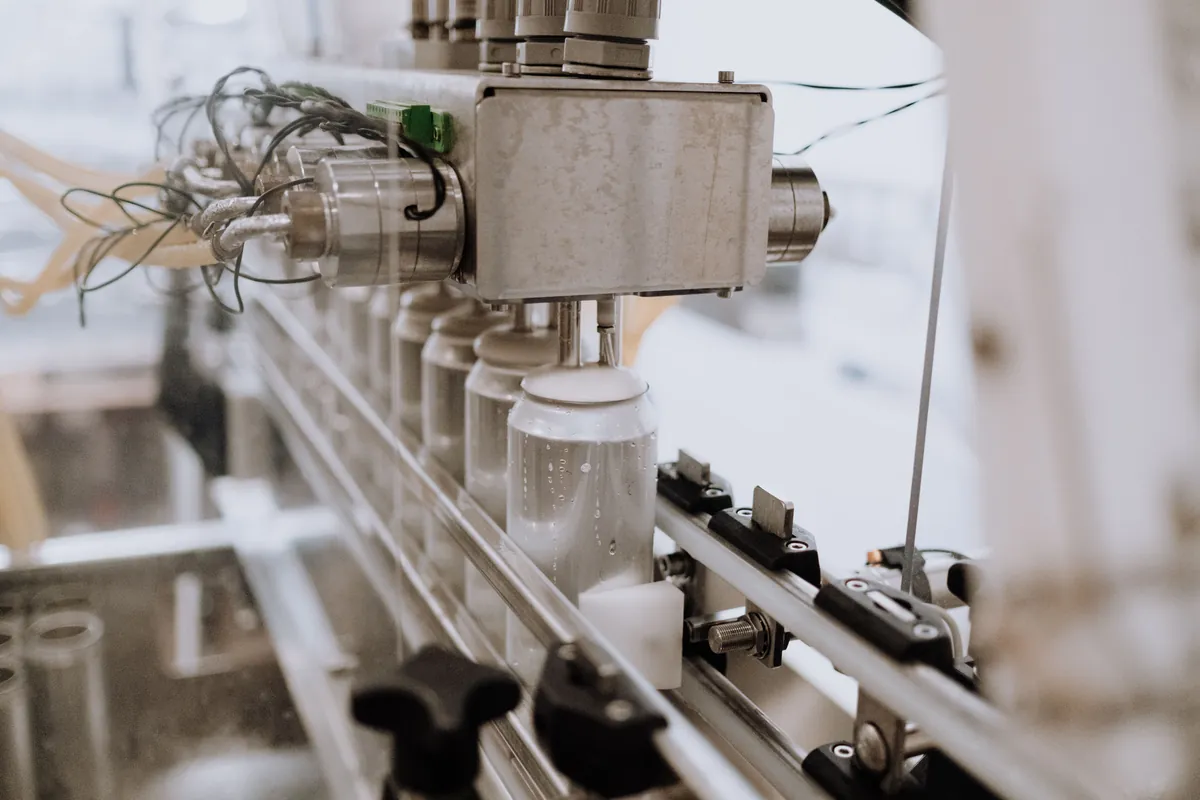
Soft Drink Plant at a Glance
| Typical capacity | ~6,000–36,000 bottles per hour |
|---|---|
| Land | ~2–5 acres |
| Power load | ~300 kW–1.5 MW |
| Water | High |
| Manpower | ~40–150 |
| Indicative investment | ~₹5–60 crore |
Investment basis: excludes land.
Figures are indicative ranges. Your project report works them out for your capacity and location.
Market Demand for Soft Drink Plants in India
Soft drink demand in India is driven by summer consumption and by regional brands growing in tier-2 and tier-3 markets. Export potential is low, so your plan should rest on domestic distribution. Units are concentrated in Gujarat, Maharashtra, Uttar Pradesh, Tamil Nadu and Karnataka.
- Distributors and retailers who stock bottles through the season
- HoReCa buyers such as hotels, restaurants and caterers
- Regional brands that outsource filling through contract bottling
- Events and institutional buyers
Soft Drink Products You Can Make
Most new plants begin with carbonated drinks such as cola, lemon and orange, since one line also handles soda. Fruit-based drinks, energy drinks and flavoured water can follow once distribution is steady. Contract bottlers often keep the range narrow.
- Carbonated soft drinks (cola, lemon, orange), soda, fruit-based drinks, energy drinks, flavoured water
Soft Drink Plant Process
The soft drink plant process starts with treated water, because water quality decides taste and shelf life. Sugar is dissolved into syrup, blended with concentrate, then carbonated and filled. Quality is checked at each stage for Brix, CO2 volume, microbial limits and water quality, in line with FSSAI standards for carbonated beverages.
Technology is the main choice. A semi-automatic PET line costs less, while a fully automatic line suits higher volumes. You can also blow-mould preforms in-house, and premium products may justify a can line.
- Water treatment
- Syrup preparation
- Blending
- Carbonation
- Filling (rinser-filler-capper)
- Coding and labelling
- Shrink packing
Raw Materials and Machinery for a Soft Drink Plant
You'll need treated water, sugar, concentrates and flavours, CO2, preforms and closures, and labels. Concentrates come from flavour houses, preforms are usually sourced locally, and CO2 comes from gas suppliers. The machines that matter most are the RO and water treatment system, the carbo-cooler and the rinser-filler-capper.
- RO and water treatment
- Sugar dissolving and syrup room
- Carbo-cooler
- Rinser-filler-capper
- Blow moulder
- Labeller
- Shrink wrapper
Soft Drink Plant Licence and Approvals
Soft drink plant licence and approvals begin with business registration, then consent to establish from the State Pollution Control Board before construction. Non-alcoholic beverage units fall in Orange below 100 KLD wastewater and Red at 100 KLD and above. Consent to operate follows once the plant is ready. No QCO applies.
- FSSAI licence, Central for larger units
- Legal Metrology registration
- EPR registration for PET bottles as brand owner
- Groundwater NOC from CGWA or the state
- Factory licence
| Pollution category | Non-alcoholic beverage units: Orange below 100 KLD wastewater, Red at 100 KLD and above (CPCB S.No. 8) |
|---|---|
| HSN code | 2202 10 (sweetened or flavoured aerated waters) |
| GST | Aerated and sweetened carbonated drinks: 40% under GST 2.0; fruit-based and other beverages follow their own entries |
| BIS / quality control order | No QCO |
| FSSAI | FSSAI licence (Central for larger units) |
| Other licences | Legal Metrology; EPR registration for PET bottles (brand owner); groundwater NOC (CGWA/state); factory licence |
Choosing the Right Soft Drink Line Technology
Semi-automatic PET lines suit new entrants testing a local market, because they need less capital and fewer people. Fully automatic lines suit contract bottling and wider distribution, where output and cost per bottle matter more. In-house blow moulding cuts preform dependence but adds machinery and power load. Can lines make sense only for premium positioning. Your project report should compare these routes for your capacity.
Managing Seasonality and Working Capital
Soft drinks have a strong summer peak, so cash needs rise before the season begins. You'll buy sugar, concentrates, preforms and CO2 ahead of peak months, while distributor payments arrive later. Plan working capital for this gap. Contract bottling for other brands can smooth the idle months, and your financial model should show cash flow month by month.
Government Schemes and Project Finance
Small units may look at PMFME, and several states offer food-processing incentives. NPCS reports are used for bank loans and government programmes such as PMEGP, MSME schemes, Mudra and NABARD-linked projects, subject to each lender's requirements. A well-built project report gives the lender clear costs, cash flow and repayment figures to assess.
What Decides Success in a Soft Drink Plant
Successful operators get distribution reach, cost per bottle and brand or contract-bottling tie-ups right. The risks are just as clear.
- Competition from big brands
- High GST on aerated drinks
- Sugar and PET cost swings
- Rejected bottles, which are recycled
How NPCS Helps You Set Up a Soft Drink Plant
Our team works through the decisions that shape your plant: capacity, semi-automatic or automatic line, machinery and vendor selection, and plant layout. We also guide you on approvals and prepare the financials for lenders. Installation and commissioning assistance is available, and reports are tailored to your capacity, budget and market area.
NPCS's published client list records 9 assignments on soft drink projects between 2011 and 2026 for clients in 5 states and 2 countries, including detailed project reports, bankable project reports and techno-economic feasibility studies.
What Your Soft Drink Plant Project Report Covers
- Project introduction and BIS specifications
- Manufacturing process with flow sheet
- Market survey (demand, imports/exports, existing units)
- Personnel
- Plant and machinery with suppliers
- Land and building with layout
- Raw materials with sources and rates
- Financials (project cost, working capital, cost of production, profitability, break-even, 5–10 year cash flow, projected balance sheet, IRR/NPV/payback)
Soft Drink Plant: Frequently Asked Questions
How much does soft drink plant setup cost in India?
Investment is typically an indicative ₹5–60 crore, excluding land, depending on capacity and automation. A semi-automatic line sits at the lower end. Share your planned output and NPCS will work out a figure for your project.
Which licences and pollution category apply to a soft drink plant?
You'll need an FSSAI licence, Legal Metrology registration, a factory licence and a groundwater NOC. Pollution category is Orange below 100 KLD wastewater and Red at 100 KLD and above. EPR registration applies for PET bottles as brand owner.
How much land and power does a soft drink plant need?
Plants typically need about 2–5 acres and a power load of about 300 kW–1.5 MW, depending on capacity. Water requirement is high, so groundwater availability and treatment capacity should be checked when choosing a site.
How to start a soft drink plant business?
Start by fixing capacity, line type and target market, then prepare a project report. Next secure land, apply for consent to establish and FSSAI licence, arrange finance, order machinery and line up distribution or contract-bottling partners.
How can NPCS help with a soft drink plant project report?
NPCS prepares detailed and bankable project reports covering process, machinery, raw materials, approvals and financials. We tailor them to your capacity, technology and location, and our team can also advise on machinery selection and vendors.