
 Aditya Birla Management Corporation
 UPL
 DCM Shriram Industries
 Tata Steel
 JSW Steel
 ITC (Agri Business Division)
 Godrej & Boyce
 Grasim Industries (Century Rayon)
A shea butter processing consultant helps entrepreneurs plan units that refine imported shea kernels or crude shea butter into cosmetic-grade butter, olein and stearin. Buyers include cosmetic brands, chocolate makers and exporters, so quality and import logistics decide the plan. NPCS supports you with technology selection, machinery, approvals and financials, so you can judge viability before committing capital.
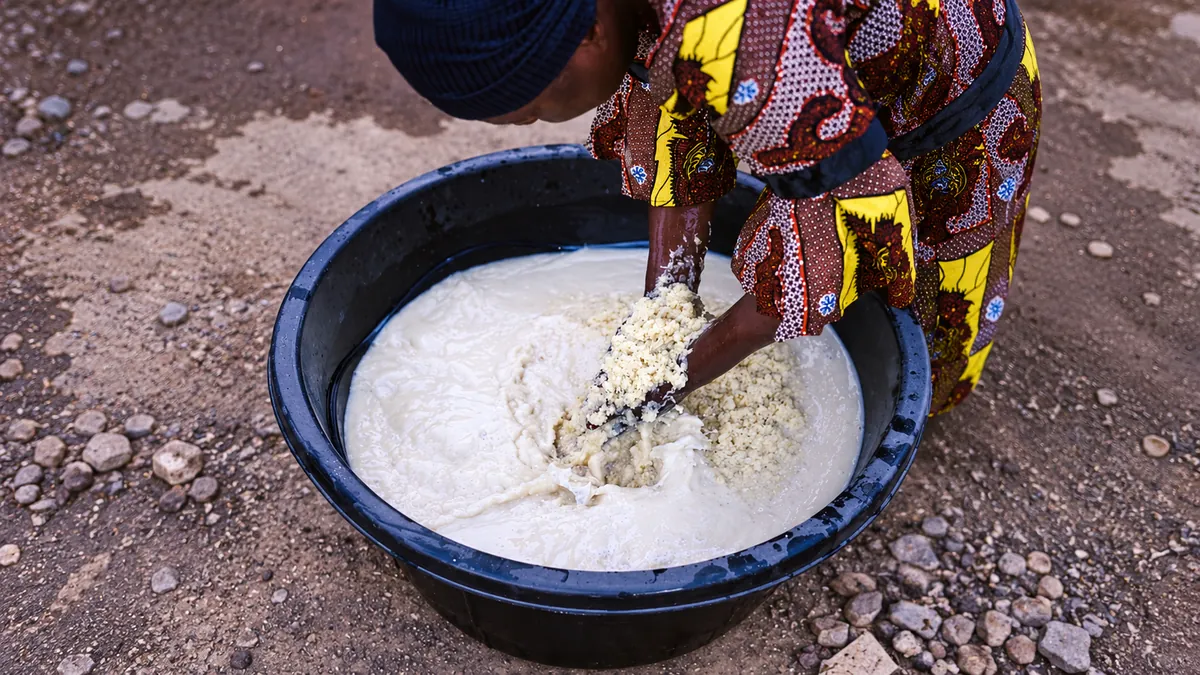
Shea Butter Processing at a Glance
| Typical capacity | ~500–10,000 TPA |
|---|---|
| Land | ~1–4 acres |
| Power load | ~200 kW–1.5 MW |
| Water | Low |
| Manpower | ~15–60 |
| Indicative investment | ~₹3–40 crore |
Investment basis: excludes land.
Figures are indicative ranges. Your project report works them out for your capacity and location.
Market Demand for Shea Butter Processing in India
Demand for shea butter in India is led by the growth of natural cosmetics. Skin care brands want unrefined and refined grades, while chocolate makers use stearin as a cocoa butter equivalent (CBE). Soap makers form a smaller third segment.
Because the nuts come from West Africa, processing units tend to sit in port regions such as Gujarat, Maharashtra and Tamil Nadu. Export potential is medium, and seasonality is low.
- Cosmetic and skin care brands
- Chocolate makers using CBE
- Soap manufacturers
- Exporters of shea butter and fractions
Shea Butter Products You Can Make
You can supply unrefined (raw) butter, refined butter, olein and stearin. Unrefined butter suits natural cosmetic brands, while refined grades and stearin suit chocolate makers and larger formulators. Many new units start with unrefined butter and add refining later.
- Unrefined (raw) shea butter, refined shea butter, shea olein and stearin
Shea Butter Processing Process
The shea butter processing process starts with cleaned kernels that are roasted, milled and then pressed in an expeller or extracted with solvent. The oil is filtered, and the butter is either packed as unrefined or taken on to refining and fractionation.
Quality control matters at every stage. Typical checks cover free fatty acids (FFA), peroxide value, moisture and unsaponifiables. Your technology choice, expeller with filtration or a full refining and fractionation line, sets both the product range and the capital needed.
- Kernel cleaning
- Roasting
- Milling
- Pressing or solvent extraction
- Filtration
- (refining and fractionation)
- Packing
Raw Materials and Machinery for Shea Butter Processing
Your main input is shea kernels or crude shea butter imported from Ghana, Nigeria, Burkina Faso and Mali. Reliable supply contracts matter more than any single machine. Core equipment includes the roaster, mill, expeller and filter press, with a refining unit and fractionation added when you plan refined grades and stearin.
- Roaster
- Mill
- Expeller
- Filter press
- Refining unit (optional)
- Fractionation
- Filling
Licences and Approvals for a Shea Butter Processing Unit
Shea butter processing licence and approvals follow a clear order. Register the unit first, then obtain consent to establish from the State Pollution Control Board before construction. Expeller oil processing is generally Green or Orange. Arrange import licences and plant quarantine clearance for kernels, and take an FSSAI licence if you supply food buyers such as chocolate makers. No QCO applies.
| Pollution category | Expeller oil processing is generally Green or Orange |
|---|---|
| HSN code | 1515 or 1516 (vegetable fats) |
| GST | Classification-dependent; applied in the project financials |
| BIS / quality control order | No QCO |
| FSSAI | FSSAI licence if supplied for food (CBE) |
| Other licences | Import licences; plant quarantine |
Choosing the Right Shea Butter Technology
The two routes are expeller with filtration, and refining with fractionation. Expeller and filtration gives unrefined butter with lower capital and a simpler plant, which suits natural cosmetic buyers. Refining and fractionation adds machinery and skill but opens refined butter, olein and stearin for chocolate makers and larger brands. Many promoters begin with the first route and plan space and utilities for the second.
Securing Shea Kernel Supply
Imported kernels expose you to price swings and shipping delays, so sourcing strategy shapes margins. Spreading purchases across Ghana, Nigeria, Burkina Faso and Mali reduces dependence on one origin. Locating near a port in Gujarat, Maharashtra or Tamil Nadu shortens inland transport. Your project report should test the plan against different import price scenarios and working capital needs.
Government Schemes and Project Finance for Shea Butter Processing
State incentives may support a shea butter unit, and eligibility varies by state. A detailed project report is usually the base document for a bank loan or scheme application. NPCS reports are used for bank loans and programmes such as PMEGP, MSME schemes, Mudra and NABARD-linked projects, subject to each lender's requirements.
What Decides Success in Shea Butter Processing
Successful operators get kernel import logistics and product quality right. The main risk to plan for is import price swings. Shea cake, the pressed residue, can be sold as fuel, which adds a small income line.
- Secure steady kernel imports through reliable suppliers
- Test FFA and peroxide value on every batch
- Plan working capital for price swings
- Sell shea cake as fuel
How NPCS Helps You Set Up a Shea Butter Processing Unit
Our team works through the decisions that shape this project: capacity, expeller or refining route, machinery selection and vendor choice. We also support plant layout, production process guidance and installation and commissioning assistance. A shea butter processing project report then ties these choices to costs and returns for your location.
NPCS's published client list records 223 assignments across food and agro processing projects between 2009 and 2026, for clients in 28 states and 26 countries.
What Your Shea Butter Processing Project Report Covers
- Project introduction and BIS specifications
- Manufacturing process with flow sheet
- Market survey (demand, imports/exports, existing units)
- Personnel
- Plant and machinery with suppliers
- Land and building with layout
- Raw materials with sources and rates
- Financials (project cost, working capital, cost of production, profitability, break-even, 5–10 year cash flow, projected balance sheet, IRR/NPV/payback)
Shea Butter Processing: Frequently Asked Questions
How much does shea butter processing setup cost in India?
An indicative range is ~₹3–40 crore, excluding land. The figure depends on capacity and on whether you add refining and fractionation to a basic expeller line. Your project report works out the cost for your chosen scale and location.
Which licences are needed for a shea butter processing unit?
You need import licences and plant quarantine clearance for kernels, plus State Pollution Control Board consent. Expeller oil processing is generally Green or Orange. An FSSAI licence is needed if you supply food buyers such as chocolate makers.
How much land and power does a shea butter plant need?
Typically about 1–4 acres of land and a power load of ~200 kW–1.5 MW, depending on capacity. Water requirement is low. Manpower is usually about 15–60 people, and your report fixes these for your plant size.
How to start a shea butter processing business?
Start by choosing your product, unrefined or refined, and your capacity. Then secure kernel import sources, select a port-region site, obtain approvals and prepare a project report for finance. Machinery ordering follows once consents are in place.
How can NPCS help with my shea butter project?
NPCS prepares the project report and supports technology choice, machinery and vendor selection, plant layout and approvals planning. Share your planned capacity and location, and our team will outline the project cost and the steps ahead.