
 Grasim Industries (Century Rayon)
 Tata Steel
 JSW Steel
 ITC (Agri Business Division)
 Godrej & Boyce
 Aditya Birla Management Corporation
 Thermax (Chemical Division)
 UPL
A ROPP cap unit prints and forms aluminium roll-on pilfer-proof caps for liquor, pharma syrup, mineral water and edible oil bottles. Entrepreneurs choose it because the buyers are brand owners and bottlers who order in large, repeat volumes. A ropp cap manufacturing consultant helps you decide the line type, capacity and location before you commit capital. NPCS supports you with feasibility work, machinery selection and a bankable report built around your plan.
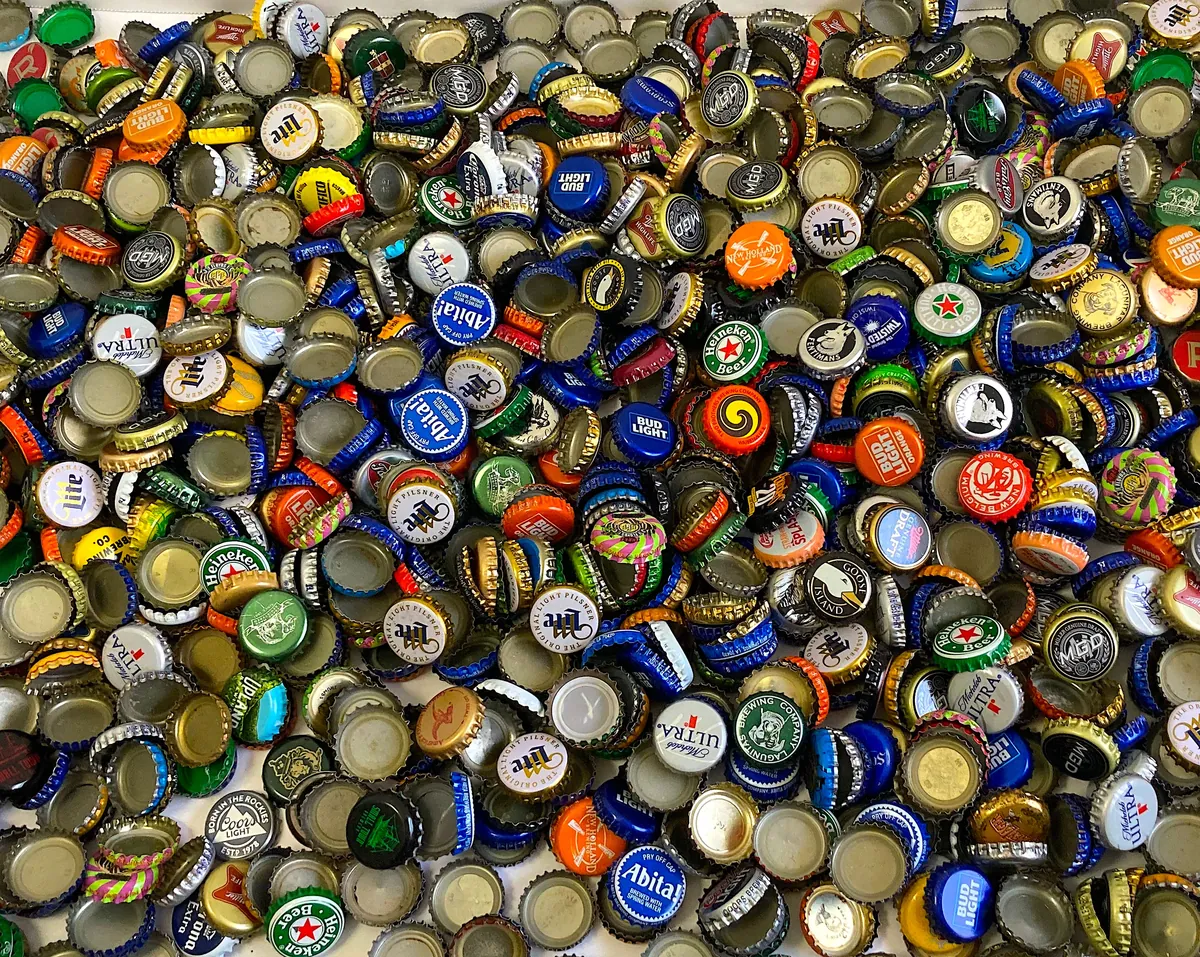
ROPP Cap Manufacturing at a Glance
| Typical capacity | ~50–500 million caps per year |
|---|---|
| Land | ~1–4 acres |
| Power load | ~300 kW–1.5 MW |
| Water | Low |
| Manpower | ~30–120 |
| Indicative investment | ~₹5–50 crore |
Investment basis: excludes land.
Figures are indicative ranges. Your project report works them out for your capacity and location.
Market Demand for ROPP Caps in India
Demand for ROPP caps rests mainly on liquor and pharma packaging. Bottlers need tamper-evident closures, so the caps are bought continuously rather than seasonally. Seasonality is low, which keeps production planning steady. Export potential is medium, so most early volume comes from domestic customers. The industry is concentrated in Maharashtra, Delhi-NCR, Gujarat and Karnataka.
- Liquor and IMFL bottlers
- Pharma syrup manufacturers
- Mineral water brands
- Edible oil brands
ROPP Cap Products You Can Make
Most units start with plain or printed caps in the common neck sizes and add embossed designs later. Liquor brands usually want printed caps, while pharma and water buyers often prioritise liner performance. Choose your first variants after speaking to likely buyers.
- ROPP caps (25 mm, 28 mm, 31.5 mm and others), printed and embossed caps, caps with liners
ROPP Cap Manufacturing Process Explained
The ropp cap manufacturing process turns coated aluminium sheet into finished closures through printing, forming and liner fitting. Sheets are lacquered and printed first, then cured in ovens so the coating bonds properly. Cupping presses draw the caps, and knurling and perforation create the grip and the pilfer-proof band. Quality is controlled at several points. Teams check dimensions, removal torque, leak performance and print quality, and vision inspection catches defects before packing. Weak curing or poor torque control are the usual causes of rejection by bottlers.
- Sheet lacquering and printing
- Curing
- Cupping and drawing
- Knurling and perforation
- Liner insertion
- Inspection
- Packing
Raw Materials and Machinery for ROPP Caps
Aluminium sheet in grade 8011 is the main input, and it is sourced domestically. You also need lacquers, inks and liners such as EPE or PVDC. The machines that matter most are the coating and printing line with ovens and the cupping press. Your technology choice between single-press and automated high-speed lines sets output and cost.
- Coating and printing line with ovens
- Cupping press
- Knurling and perforation machines
- Liner inserter
- Vision inspection
Licences and Approvals for ROPP Cap Manufacturing
Approvals follow a clear order. Register the unit first, then obtain the State Pollution Control Board consent to establish before construction. Printing and lacquering with ovens is generally Orange category. A factory licence is needed, and consent to operate follows once the plant is ready. No QCO applies to these caps.
- Food-contact liners must meet FSSAI packaging regulations
- EPR registration where applicable
- Factory licence before production starts
| Pollution category | Printing and lacquering with ovens is generally Orange |
|---|---|
| HSN code | 8309 90 (stoppers, caps and lids of base metal) |
| GST | 18% |
| BIS / quality control order | No QCO |
| FSSAI | Food-contact liners must meet FSSAI packaging regulations |
| Other licences | EPR registration where applicable; factory licence |
Choosing the Right ROPP Cap Plant Size
Plant size changes the economics sharply. Indicative capacity runs from about 50 to 500 million caps per year, and investment from about ₹5–50 crore excluding land. A smaller unit with single-press lines suits a regional bottler base and keeps power and manpower modest. A larger automated line needs more land, up to about 4 acres, and a steady order book from major brands. Match the size to confirmed buyers, not to hoped-for demand.
Securing Aluminium Sheet for Your ROPP Cap Unit
Aluminium is your biggest cost and your main price risk. Sheet is sourced domestically, so build relationships with more than one supplier and agree pricing terms early. Keep sensible stock of 8011 sheet, lacquers and inks to avoid line stoppages. Where possible, link your selling price to aluminium movement in contracts with bottlers. Aluminium skeleton scrap from forming can also be sold, which offsets some material cost.
Government Schemes and Project Finance for ROPP Caps
State incentives may support a ROPP cap unit, depending on where you locate it. Lenders look closely at capacity, buyer approvals and margins. NPCS reports are used for bank loans and government programmes such as PMEGP, MSME schemes, Mudra and NABARD-linked projects, subject to each lender's requirements.
What Decides Success in a ROPP Cap Unit
Good operators win on print quality and on getting approved by liquor brands. The main risk is aluminium price, which can squeeze margins if contracts don't adjust.
- Consistent print and lacquer quality
- Early vendor approval from liquor brands
- Price-linked contracts to manage aluminium cost
- Selling skeleton scrap to recyclers
How NPCS Helps You Set Up a ROPP Cap Unit
NPCS ties its work to the decisions you face: capacity, single-press or high-speed technology, machinery and vendors, and approvals. Our team supports project planning, plant layout, production process guidance and installation and commissioning assistance. We also prepare a detailed project report and feasibility study that lenders can read and use.
NPCS's published client list records 66 assignments across packaging projects between 2009 and 2026, for clients in 18 states and 6 countries.
What Your ROPP Cap Manufacturing Project Report Covers
- Project introduction and BIS specifications
- Manufacturing process with flow sheet
- Market survey (demand, imports/exports, existing units)
- Personnel
- Plant and machinery with suppliers
- Land and building with layout
- Raw materials with sources and rates
- Financials (project cost, working capital, cost of production, profitability, break-even, 5–10 year cash flow, projected balance sheet, IRR/NPV/payback)
ROPP Cap Manufacturing: Frequently Asked Questions
How much does it cost to set up a ROPP cap manufacturing unit?
Investment typically ranges from about ₹5–50 crore, excluding land. The figure is indicative and depends on capacity and whether you choose single-press or automated high-speed lines. A project report works out the cost for your location and plan.
Which licences are needed for ROPP cap manufacturing?
You need a factory licence, State Pollution Control Board consent, and EPR registration where applicable. Printing and lacquering with ovens is generally Orange category. Food-contact liners must meet FSSAI packaging regulations. No QCO applies to these caps.
How much land and power does a ROPP cap plant need?
Land typically ranges from about 1–4 acres and power load from about 300 kW–1.5 MW, depending on capacity. Water requirement is low. Manpower is about 30–120 people. Exact needs depend on line type and output.
How do I start a ROPP cap manufacturing business?
Begin by identifying buyers and choosing capacity and technology. Then prepare a project report, secure registration and consent to establish, order machinery, and apply for consent to operate. Early talks with liquor and pharma bottlers help confirm demand.
How can NPCS help with my ROPP cap project?
NPCS prepares a detailed project report and feasibility study, supports machinery and vendor selection, and guides process and layout. Our team can also help you plan approvals and finance. Share your capacity and location to begin.