
 Aditya Birla Management Corporation
 UPL
 DCM Shriram Industries
 Tata Steel
 JSW Steel
 ITC (Agri Business Division)
 Godrej & Boyce
 Grasim Industries (Century Rayon)
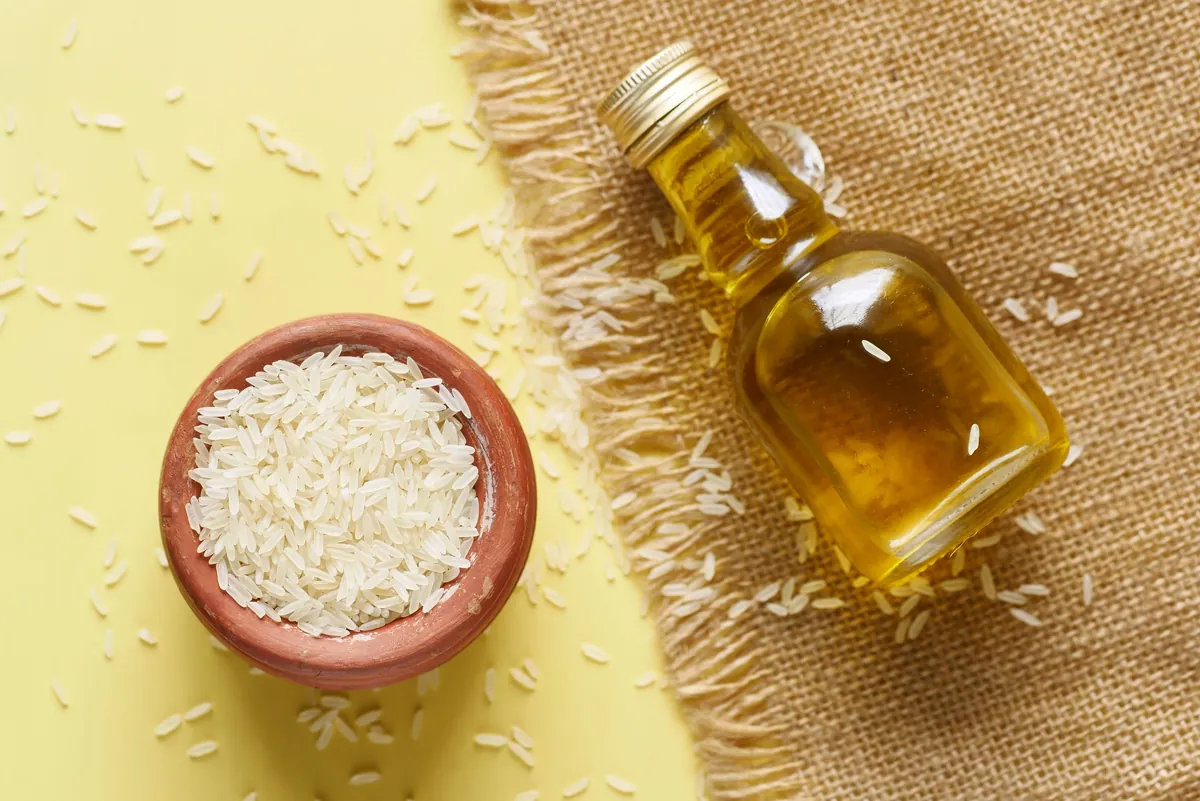
A rice bran oil plant turns bran from rice mills into edible oil through solvent extraction and refining, and the de-oiled bran is sold as feed. Edible oil brands, food service buyers and feed makers are the main customers. Entrepreneurs and rice millers choose this project because of import substitution and heart-health positioning. A rice bran oil plant consultant like NPCS helps you size the plant, choose the technology and prepare a report that lenders can assess.
Rice Bran Oil Plant at a Glance
| Typical capacity | ~100–600 TPD bran |
|---|---|
| Land | ~5–15 acres |
| Power load | ~1–3 MW |
| Water | Moderate |
| Manpower | ~60–200 |
| Indicative investment | ~₹40–200 crore |
Investment basis: extraction plus refinery; excludes land.
Figures are indicative ranges. Your project report works them out for your capacity and location.
Market Demand for Rice Bran Oil in India
Demand for rice bran oil in India rests on edible oil import substitution and its heart-health image. Buyers include edible oil brands, blenders, food service companies and feed makers who take the de-oiled bran. Plants naturally cluster where rice is milled in volume. Bran supply also follows paddy milling seasons, so your location decides how steady your raw material will be.
- Edible oil brands selling refined rice bran oil
- Blenders using it in blended oils
- Food service buyers
- Feed makers buying de-oiled bran
Rice Bran Oil Products You Can Make
Most new units begin with crude oil or physically refined oil, then add higher-value grades later. High-oryzanol oil suits brands that sell on health benefits, while de-oiled bran gives you a second revenue line from feed makers.
- Crude rice bran oil, physically refined RBO, high-oryzanol RBO, de-oiled rice bran
Rice Bran Oil Plant Process
The rice bran oil plant process starts with stabilising fresh bran so its enzymes stop breaking down the oil. The bran is pelletised and fed to a solvent extractor, where hexane pulls out crude oil. The leftover meal is desolventised and toasted. Crude oil then goes through physical refining, which keeps oryzanol that chemical routes tend to lose. Quality is checked at each stage through free fatty acids (FFA), oryzanol, peroxide value and colour, against FSSAI standards for refined rice bran oil.
- Bran stabilisation
- Pelletising
- Solvent extraction
- Desolventising and toasting meal
- Crude oil
- Degumming, dewaxing, bleaching, deodorisation (physical refining)
- Filling
Raw Materials and Machinery for a Rice Bran Oil Plant
Fresh, stabilised rice bran is your main input, along with hexane, refining chemicals and packaging. Bran usually comes from the rice belts of Punjab, Haryana, Andhra Pradesh, Telangana, Chhattisgarh, West Bengal and Odisha. The machines that matter most are the stabiliser, solvent extractor, desolventiser-toaster and the refinery train.
- Stabiliser
- Pelletiser
- Solvent extractor
- Desolventiser-toaster
- Distillation
- Refinery (degummer
- Bleacher
- Deodoriser)
- Winterisation
- Filling
Licences and Approvals for a Rice Bran Oil Plant
Rice bran oil plant licence and approvals follow a set order. Register the unit first, then obtain the State Pollution Control Board consent to establish before construction. Solvent extraction and refining is generally Orange or Red depending on capacity, fuel and state practice, and the Board fixes the category. Product and safety permissions then follow, and consent to operate comes last.
- FSSAI Central licence
- PESO approval for hexane
- Vegetable Oil Products registration
- Boiler approval under IBR
- Factory licence
| Pollution category | Solvent extraction and refining is generally Orange or Red depending on capacity, fuel and state practice; the State PCB fixes the category for the integrated unit |
|---|---|
| HSN code | 1515 90 (rice bran oil); 2306 (de-oiled bran) |
| GST | 5% on edible oil; de-oiled bran classification-dependent |
| BIS / quality control order | No QCO |
| FSSAI | FSSAI Central licence |
| Other licences | PESO for hexane; Vegetable Oil Products registration; boiler (IBR); factory licence |
Choosing the Right Rice Bran Oil Plant Technology
You can build an integrated extraction and refinery unit or an extraction-only plant. An integrated plant captures the refining margin and lets you sell branded oil, but it needs far more capital. An extraction-only unit costs less and sells crude oil to refiners, though your margin depends on their pricing. Physical refining is worth planning for either way, because it retains oryzanol.
Making Money from Rice Bran Oil By-Products
By-products can noticeably improve plant economics. De-oiled bran sells to feed makers, which gives you steady offtake alongside the oil. Wax recovered during dewaxing and fatty acids from refining go to the soap industry. Plan storage and buyers for each stream early, so these materials don't pile up in the plant.
Government Schemes and Project Finance for a Rice Bran Oil Plant
Relevant support includes state incentives and PMKSY for agro-processing infrastructure. The National Mission on Edible Oils applies to oil palm, so it isn't relevant here. NPCS reports are used for bank loans and government programmes such as PMEGP, MSME schemes, Mudra and NABARD-linked projects, subject to each lender's requirements.
What Decides Success in a Rice Bran Oil Plant
Good operators get fresh bran within hours of milling, and they track extraction efficiency and refining yield closely. The risks to plan for are listed below.
- Bran rancidity when stabilisation is delayed
- Hexane safety in storage and handling
- Price pressure from competing oils
How NPCS Helps You Set Up a Rice Bran Oil Plant
NPCS supports the decisions that shape this project: capacity, integrated versus extraction-only technology, machinery selection and vendors. Our team also guides plant layout, production process, installation and commissioning. Your rice bran oil plant project report is tailored to your capacity, budget and location, and it maps the approvals and finance steps.
NPCS's published client list records 223 assignments across food and agro processing projects between 2009 and 2026, for clients in 28 states and 26 countries.
What Your Rice Bran Oil Plant Project Report Covers
- Project introduction and BIS specifications
- Manufacturing process with flow sheet
- Market survey (demand, imports/exports, existing units)
- Personnel
- Plant and machinery with suppliers
- Land and building with layout
- Raw materials with sources and rates
- Financials (project cost, working capital, cost of production, profitability, break-even, 5–10 year cash flow, projected balance sheet, IRR/NPV/payback)
Rice Bran Oil Plant: Frequently Asked Questions
How much does a rice bran oil plant setup cost in India?
An indicative investment is ₹40–200 crore for extraction plus refinery, excluding land. The figure depends on capacity, which typically ranges from about 100–600 TPD of bran. Your project report calculates the cost for your size and location.
Which licences are needed for a rice bran oil plant?
You'll need an FSSAI Central licence, PESO approval for hexane, Vegetable Oil Products registration, boiler approval under IBR and a factory licence. The State Pollution Control Board fixes the category, generally Orange or Red, for the integrated unit.
How much land and power does a rice bran oil plant need?
Typically about 5–15 acres of land and a power load of around 1–3 MW, depending on capacity. Water need is moderate. Exact figures depend on whether you build an integrated unit or extraction only.
How do I start a rice bran oil plant business?
Begin by fixing capacity, technology and a location near rice mills with reliable bran supply. Then prepare a project report, apply for pollution control consent and other licences, arrange finance, and order machinery. Careful bran sourcing planning comes before everything else.
How can NPCS help with my rice bran oil plant?
NPCS prepares a detailed project report and guides technology choice, machinery selection, vendor selection, layout and approvals. Share your planned capacity and location, and our team will outline the project cost and next steps. Enquiries are answered within 24 hours.