
 Aditya Birla Management Corporation
 UPL
 DCM Shriram Industries
 Tata Steel
 JSW Steel
 ITC (Agri Business Division)
 Godrej & Boyce
 Grasim Industries (Century Rayon)
A ready-to-eat food plant makes shelf-stable Indian meals and mixes, such as curries, rice dishes, khichdi, halwa and instant dosa or chilla mixes, in retort pouches and dry-mix lines. Entrepreneurs and food companies set these plants up to serve retail, travel and defence rations, institutional catering and the Indian diaspora abroad. A ready-to-eat food plant consultant helps you pick the right process, size the plant and sequence approvals. NPCS has supported industrial projects since 1994.
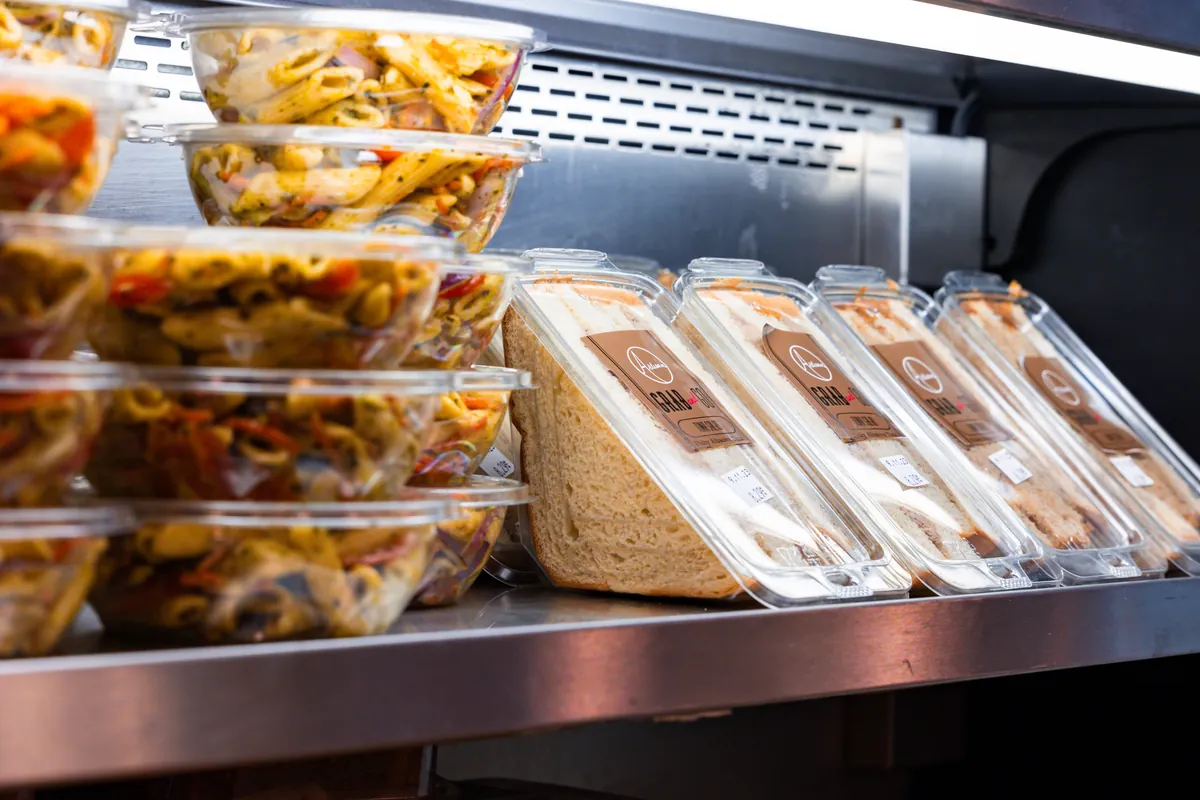
Ready-to-Eat Food Plant at a Glance
| Typical capacity | ~5,000–50,000 pouches per day |
|---|---|
| Land | ~1–4 acres |
| Power load | ~200 kW–1 MW |
| Water | Moderate |
| Manpower | ~30–120 |
| Indicative investment | ~₹5–40 crore |
Investment basis: excludes land.
Figures are indicative ranges. Your project report works them out for your capacity and location.
Market Demand for Ready-to-Eat Food in India
Demand for ready-to-eat meals in India rests on convenience, working households and diaspora exports. Production is concentrated in Gujarat, Maharashtra, Karnataka, Punjab and Delhi-NCR, and export potential is high. Seasonality is low, so a plant can run steadily through the year.
Typical buyers include:
- Modern trade and e-commerce platforms
- Exporters serving the Indian diaspora
- Travel and defence buyers
- Institutional caterers
Ready-to-Eat Food Products You Can Make
Retort-pouch meals suit buyers who need long shelf life, such as exporters and defence buyers. Dry mixes like dosa, chilla and upma need less capital and suit a first launch. Frozen ready meals and papad or badi can be added later.
- Retort-pouch curries and rice meals, instant dry mixes (dosa, chilla, upma), papad and badi, frozen ready meals
Ready-to-Eat Food Plant Manufacturing Process
The ready-to-eat food plant process starts with ingredient preparation and cooking in kettles, then moves to pouch filling and sealing. Retort sterilisation follows, and it is the step that gives a shelf life of 12 months or more. Dry mixes skip the retort and go through blending and packing.
Quality control centres on commercial sterility (F0 value), seal integrity, sensory checks and microbial limits, all within FSSAI standards. Frozen processing is the alternative to retort, and dry-mix lines offer lower capex.
- Ingredient preparation
- Cooking in kettles
- Filling and sealing in retort pouches
- Retort sterilisation
- Cooling and drying
- Inspection and packing; dry mixes: blending and packing
Raw Materials and Machinery for a Ready-to-Eat Food Plant
Your inputs are pulses, rice, vegetables, spices, edible oil and dairy, mostly sourced from domestic agricultural markets. Retort pouches and cartons come from flexible packaging converters. The retort and the filling and sealing machines matter most, because they decide sterility and seal quality. A metal detector protects the final pack.
- Cooking kettles
- Filling and sealing machines
- Retort
- Boiler
- Blenders
- Form-fill-seal machines
- Metal detector
Ready-to-Eat Food Plant Licence and Approvals
Start with business registration, then obtain consent to establish from the State Pollution Control Board before construction. An FSSAI licence is needed for production. Food processing is Green below 10 KLD wastewater without a boiler, and Orange with a boiler or 10 KLD and above. Add boiler approval under IBR, Legal Metrology and, for exports, APEDA RCMC.
| Pollution category | Food processing: Green below 10 KLD wastewater without boiler (CPCB S.No. 56.2); Orange with boiler or 10 KLD+ wastewater (56.1) |
|---|---|
| HSN code | 2106, 1904 or 2005 by product |
| GST | Classification-dependent by product (many namkeen and ready foods are 5% under GST 2.0); applied in the project financials |
| BIS / quality control order | No QCO |
| FSSAI | FSSAI licence |
| Other licences | Boiler (IBR); Legal Metrology; APEDA RCMC for exports |
Choosing Between Retort, Frozen and Dry-Mix Technology
Retort processing suits you if you want ambient shelf life of 12 months or more and plan to supply exporters, travel or defence buyers. Frozen ready meals need cold-chain handling, which limits distribution. Dry-mix lines need lower capex and make a practical starting point if you want to test the market first. Many operators begin with dry mixes and add retort capacity once brand demand is proven.
Choosing the Right Ready-to-Eat Food Plant Size
Plants typically range from about 5,000 to 50,000 pouches per day, with an indicative investment of about ₹5–40 crore excluding land. Smaller units need roughly 1 acre and fewer staff, while larger ones need up to 4 acres, about 1 MW of power and a bigger team. Your ready-to-eat food plant setup cost in India depends on capacity, technology and product mix.
Government Schemes and Project Finance
Relevant schemes include PLI for food processing (ready-to-eat category), PMFME and PMKSY. A bankable ready-to-eat food plant project report helps lenders assess your capacity, costs and cash flow. NPCS reports are used for bank loans and programmes such as PMEGP, Mudra and NABARD-linked projects, subject to each lender's requirements.
What Decides Success in a Ready-to-Eat Food Plant
Operators who do well get taste authenticity, retort validation and export certifications right. The main risks to plan for are:
- Shelf-life validation before launch
- Brand building in a crowded retail shelf
- Food waste handling, where compost is one outlet
How NPCS Helps You Set Up a Ready-to-Eat Food Plant
Our team supports the decisions that shape your plant: capacity, retort or dry-mix technology, machinery specifications and vendor selection. We also guide plant layout, production process and approvals planning, and help with installation and commissioning. Your project report is tailored to your budget, product mix and market area.
NPCS's published client list records 3 assignments on ready-to-eat food projects between 2014 and 2025 for clients in 2 states, including techno-economic feasibility studies and market research reports.
What Your Ready-to-Eat Food Plant Project Report Covers
- Project introduction and BIS specifications
- Manufacturing process with flow sheet
- Market survey (demand, imports/exports, existing units)
- Personnel
- Plant and machinery with suppliers
- Land and building with layout
- Raw materials with sources and rates
- Financials (project cost, working capital, cost of production, profitability, break-even, 5–10 year cash flow, projected balance sheet, IRR/NPV/payback)
Ready-to-Eat Food Plant: Frequently Asked Questions
How much investment is needed to start a ready-to-eat food plant?
An indicative range is about ₹5–40 crore, excluding land, depending on capacity and technology. Dry-mix lines cost less than retort plants. Your project report works out the exact figure for your capacity, product mix and location.
Which licences are needed for a ready-to-eat food plant?
You need an FSSAI licence, pollution board consent and, if you use a boiler, IBR approval. Legal Metrology applies to packed goods, and APEDA RCMC is needed for exports. Food processing is Green or Orange depending on wastewater and boiler use.
How much land and power does a ready-to-eat food plant need?
Plants typically need about 1–4 acres and a power load of roughly 200 kW to 1 MW, depending on capacity. Water requirement is moderate. A retort line and boiler push the numbers toward the higher end.
How to start a ready-to-eat food plant business?
Begin by choosing your products and technology, such as retort pouches or dry mixes. Then prepare a project report, pick a location, secure registrations and consents, and order machinery. Validate shelf life before commercial launch.
How can NPCS help with my ready-to-eat food plant?
NPCS prepares detailed project reports and feasibility studies, and supports machinery selection, vendor selection, layout and commissioning. Share your planned capacity and location, and our team will outline the project cost and approvals.