
 Tata Steel
 JSW Steel
 Tata Metaliks
 Shyam Metalics and Energy
 KRIBHCO Infrastructure
 Sarda Metals & Alloys
 Shyam Steel
 Shyam Steel Industries
Magnet makers, catalyst producers and phosphor manufacturers need separated rare earth oxides and metals, and a rare earth processing plant consultant helps you plan the plant that supplies them. The plant separates neodymium, praseodymium and dysprosium from mixed concentrates. Interest is rising because magnets for EVs and wind turbines depend on secure supply. NPCS supports you with feasibility studies, technology choice, machinery selection and approvals planning.
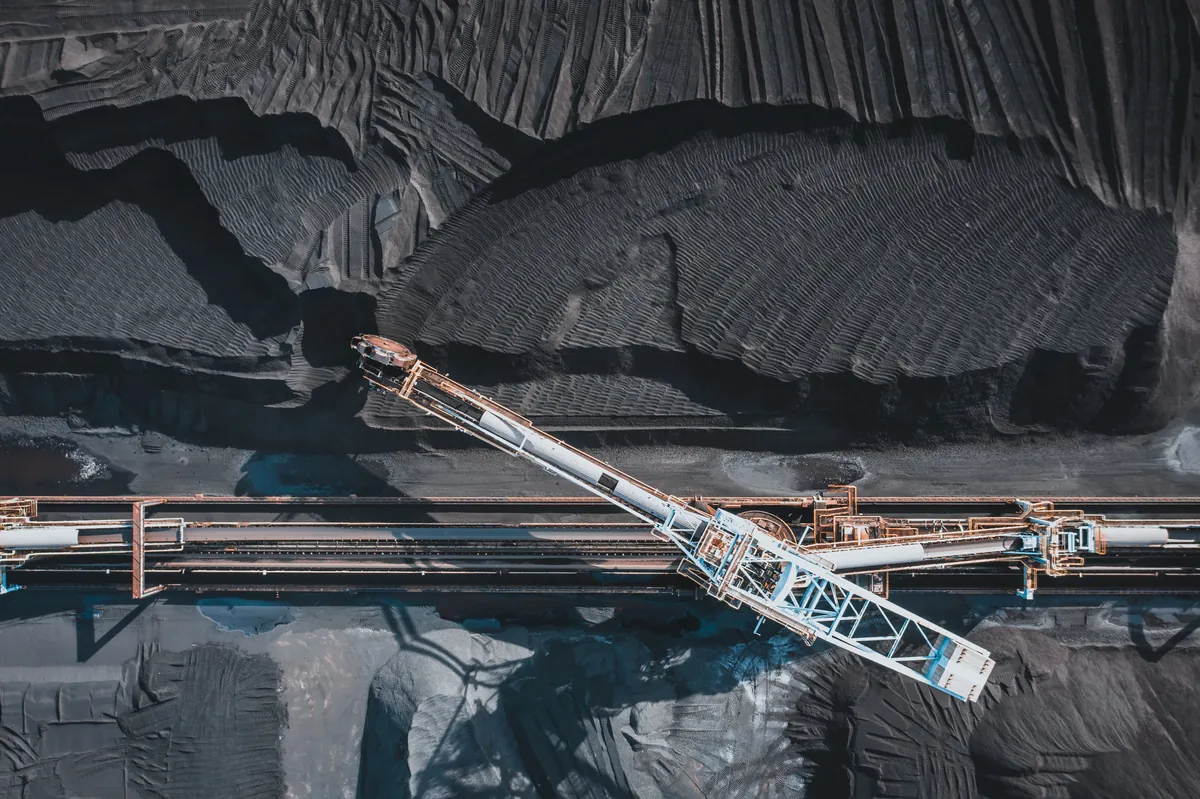
Rare Earth Processing Plant at a Glance
| Typical capacity | ~500–5,000 TPA oxides |
|---|---|
| Land | ~20–50 acres |
| Power load | ~2–10 MW |
| Water | High |
| Manpower | ~100–300 |
| Indicative investment | ~₹300–2,000 crore |
Investment basis: excludes land.
Figures are indicative ranges. Your project report works them out for your capacity and location.
Market Demand for Rare Earth Processing in India
Demand for processed rare earths in India is driven mainly by the need for secure magnet supply. Buyers are concentrated in a few industrial segments, and export potential is medium. Domestic feed is linked to IREL beach sands, and the likely clusters are Odisha, Kerala and Andhra Pradesh.
- Magnet makers serving EV and wind applications
- Catalyst makers needing separated oxides
- Phosphor makers using high-purity rare earth oxides
- Buyers of rare earth metals and alloys
Rare Earth Products You Can Make
Most new plants start with oxides, since they are the main feed for magnet makers. Metals and alloys need an extra reduction or electrolysis stage, so they suit operators with stronger technical depth and a defined buyer.
- NdPr oxide, dysprosium and terbium oxides, rare earth metals and alloys
Rare Earth Processing Plant Process
The rare earth processing plant process turns mixed concentrate into separated oxides, and optionally metals, through chemical stages. Dissolution brings the feed into solution. Multi-stage solvent extraction then separates one element from another, which is the most technically demanding part of the plant.
Quality is controlled at the separation and calcination stages. Buyers look for oxide purity of 99%+ and a clear impurity profile, so testing at each stage matters. Metal reduction units are an optional add-on for plants that want to supply metals.
- Dissolution
- Solvent extraction (multi-stage)
- Precipitation
- Calcination to oxides
- (electrolysis or reduction to metals)
Raw Materials and Machinery for a Rare Earth Plant
Your main inputs are mixed rare earth chlorides or concentrates, along with solvents and acids. Domestic supply is linked to IREL, and many projects also consider imported concentrates. Mixer-settlers carry the separation load, so their design and stage count deserve the most attention, followed by calciners and effluent treatment.
- Mixer-settlers
- Precipitation tanks
- Calciners
- Electrolysis cells
- Effluent treatment
Rare Earth Processing Plant Licence and Approvals
Rare earth processing is a Red category activity, so pollution approvals come early. Where monazite or other radioactive material is involved, Department of Atomic Energy and AERB approvals also apply. In practice, plan these steps in order:
- Business registration and site selection
- Environmental Clearance and consent to establish
- AERB oversight for radioactive by-products
- Consent to operate before commercial production
| Pollution category | Rare earth processing is Red; radioactive by-products need AERB oversight |
|---|---|
| HSN code | 2846 (compounds of rare earth metals), 2805 (rare earth metals) |
| GST | 18% |
| BIS / quality control order | No QCO |
| Other licences | Department of Atomic Energy and AERB approvals where monazite or radioactive material is involved; Environmental Clearance |
Choosing the Right Rare Earth Plant Size
Plant size changes the project more than almost any other decision. Indicative capacity runs from about 500 to 5,000 TPA of oxides, with investment of roughly ₹300–2,000 crore excluding land. Smaller units suit a focused oxide product and a few anchor buyers. Larger units need secure feed, 20–50 acres and a bigger power connection.
Choosing the Right Separation Technology
The main technology choice is between solvent extraction circuits and metal reduction units. Solvent extraction is the core of any plant, because it produces the separated oxides. Metal reduction suits operators who want to sell metals or alloys to magnet makers. Many projects begin with oxides and add reduction later.
Government Schemes and Project Finance
The National Critical Mineral Mission offers incentives that may apply to rare earth projects, subject to its terms. Lenders will expect a bankable report with technology, feed and approvals clearly shown. NPCS reports are used for bank loans and government programmes, subject to each lender's requirements.
What Decides Success in a Rare Earth Processing Plant
Successful operators secure feed access and build real separation know-how before commissioning. The main risks are regulatory controls and technology. Radioactive residues are regulated, so their handling and storage must be planned from the start.
- Assured feed from IREL-linked or imported sources
- Proven solvent extraction know-how
- Early planning for regulated residues
How NPCS Helps You Set Up a Rare Earth Processing Plant
NPCS ties its services to the decisions you face, such as capacity, technology, machinery and approvals. Our team prepares the rare earth processing plant project report, supports machinery selection and vendor choice, and guides plant layout. We also assist with installation and commissioning, and shape the report for lender needs.
NPCS's published client list records 3 assignments on rare earth processing projects between 2025 and 2026 for clients in 3 states, including techno-economic feasibility studies, market research reports and project identification studies.
What Your Rare Earth Processing Plant Project Report Covers
- Project introduction and BIS specifications
- Manufacturing process with flow sheet
- Market survey (demand, imports/exports, existing units)
- Personnel
- Plant and machinery with suppliers
- Land and building with layout
- Raw materials with sources and rates
- Financials (project cost, working capital, cost of production, profitability, break-even, 5–10 year cash flow, projected balance sheet, IRR/NPV/payback)
Rare Earth Processing Plant: Frequently Asked Questions
How much does a rare earth processing plant cost to set up in India?
Indicative investment is about ₹300–2,000 crore, excluding land, depending on capacity and whether you add metal production. Your project report works out the cost for your chosen capacity, technology and location.
Which approvals and pollution category apply to a rare earth plant?
Rare earth processing is a Red category activity. You also need Environmental Clearance, and Department of Atomic Energy and AERB approvals where monazite or radioactive material is involved. Radioactive residues are regulated.
How much land and power does a rare earth processing plant need?
Typically about 20–50 acres of land and a power load of roughly 2–10 MW, with high water requirement. These are indicative figures and change with capacity and the separation circuit you select.
How to start a rare earth processing plant business?
Begin with a feasibility study covering feed access, technology and target buyers. Then finalise capacity and location, apply for approvals, arrange finance and select machinery. Feed security and separation know-how should be settled before you commit to the plant.
How can NPCS help with my rare earth plant project?
NPCS prepares the detailed project report, supports technology and machinery selection, and guides approvals planning and plant layout. Our team can also assist with installation and commissioning once your plan is final.