
 Aditya Birla Management Corporation
 UPL
 DCM Shriram Industries
 Tata Steel
 JSW Steel
 ITC (Agri Business Division)
 Godrej & Boyce
 Grasim Industries (Century Rayon)
Nutraceutical brands, health-food retailers and exporters buy dried moringa leaf as powder, tea cuts and capsules, and entrepreneurs set up plants to supply them. A moringa leaf powder plant consultant helps you decide the product form, drying route and approvals before you commit money. NPCS has worked with entrepreneurs since 1994, and our team prepares project reports that cover technology, machinery, cost and licences for your capacity and location.
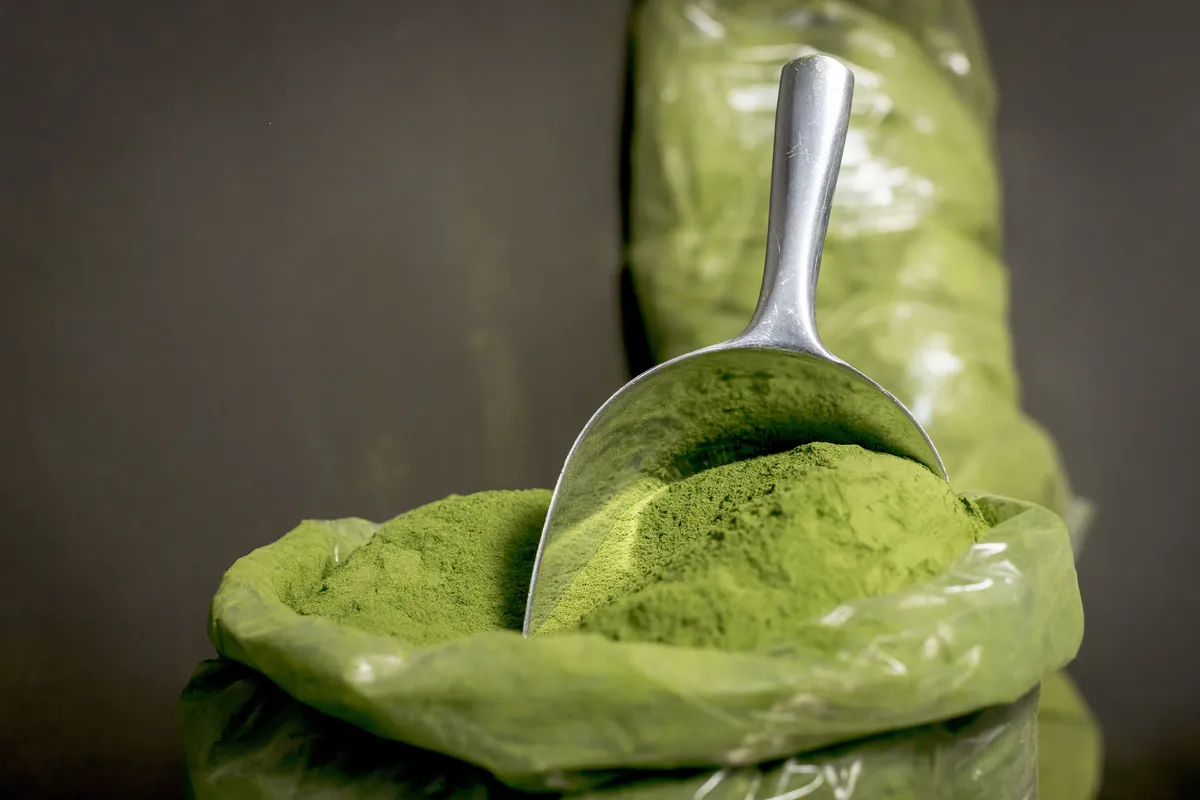
Moringa Leaf Powder Plant at a Glance
| Typical capacity | ~0.2–3 TPD powder |
|---|---|
| Land | ~0.5–2 acres plus farm |
| Power load | ~30–200 kW |
| Water | Low |
| Manpower | ~10–40 |
| Indicative investment | ~₹30 lakh–₹5 crore |
Investment basis: excludes land and cultivation.
Figures are indicative ranges. Your project report works them out for your capacity and location.
Market Demand for Moringa Leaf Powder in India
Demand for moringa powder is driven mainly by superfood interest abroad and growing organic exports. Indian units sell to buyers in nutraceuticals, health foods and tea blends, and export potential is high.
Production is concentrated in Tamil Nadu, Andhra Pradesh and Gujarat, with leaf sourced around Theni and Dindigul. Leaf harvest runs most of the year, which suits steady plant operation.
- Nutraceutical brands buying powder and capsules
- Health-food retailers selling packed powder
- Exporters needing organic-certified lots
- Tea blenders using tea-bag cuts
Moringa Products You Can Make
Most new units start with plain leaf powder, since it needs the least equipment. Tea-bag cuts suit tea blenders, while capsules and tablets serve nutraceutical brands. Seed oil is an allied line you can add once leaf supply is stable.
- Moringa leaf powder, tea-bag cut, capsules and tablets, moringa seed oil
Moringa Leaf Powder Plant Process
The moringa leaf powder plant process moves from fresh leaf to dried, milled and packed powder. Drying is the step that decides colour and nutrient quality, so most of your technology choice sits there.
Solar or tray dryers cost less, while heat-pump dryers hold colour and nutrients better. Quality is checked for moisture, protein, colour, microbial load, heavy metals and pesticide residues. Sterilisation is optional, but it helps when buyers ask for a low microbial count.
- Harvesting
- Washing
- Shade or low-temperature drying
- Stripping
- Milling
- Sieving
- Sterilisation (optional)
- Packing
Raw Materials and Machinery for Moringa Powder
Fresh leaves of PKM-1 and similar varieties are the main input, sourced from Tamil Nadu, Andhra Pradesh, Karnataka and Gujarat. The machines that matter most are the dryers, leaf stripper and pulveriser, followed by the sifter and steam steriliser. A capsule filler is needed only if you make capsules.
- Washer
- Dryers
- Leaf stripper
- Pulveriser
- Sifter
- Steam steriliser
- Capsule filler (optional)
- Packing
Moringa Leaf Powder Plant Licence and Approvals
Start with business registration and an FSSAI licence, then approach the State Pollution Control Board. Drying and milling of leaves is generally Green or White since it creates no effluent, but the State PCB fixes the category. Add export approvals only if you plan to ship.
- FSSAI licence, plus nutraceutical regulations for capsules
- APEDA RCMC for exports
- Organic certification under NPOP for export
- Legal Metrology for packed goods
| Pollution category | Drying and milling of leaves is generally Green or White (no effluent); the State PCB fixes the category |
|---|---|
| HSN code | 1211 or 1404 (leaves and vegetable products), 2106 (food preparations) by form |
| GST | Classification-dependent by form; applied in the project financials |
| BIS / quality control order | No QCO |
| FSSAI | FSSAI licence; nutraceutical regulations for capsules |
| Other licences | APEDA RCMC; organic certification (NPOP) for export; Legal Metrology |
Choosing the Right Moringa Drying Technology
Solar or tray dryers suit smaller units with limited budgets and steady sunshine. Heat-pump dryers cost more but keep the green colour and nutrients that premium buyers pay for.
If you target export or nutraceutical customers, colour retention often decides repeat orders. In practice, many entrepreneurs start with tray drying and move to heat-pump drying as orders grow. Your project report can compare both routes for your capacity.
Choosing the Right Moringa Plant Size
Plants range from about 0.2 to 3 TPD of powder, and investment is typically ₹30 lakh–₹5 crore, excluding land and cultivation. Power load and manpower rise with scale, from about 30 kW and 10 people to around 200 kW and 40 people.
A small unit lets you test buyers with limited risk. A larger one needs assured leaf supply and confirmed export or brand orders first.
Government Schemes and Project Finance for Moringa Units
PMFME (ODOP in some districts), PMEGP and APEDA assistance are the schemes relevant to a moringa unit. Lenders usually ask for a detailed project report with costs, margins and cash flow. NPCS reports are used for bank loans and programmes such as PMEGP, MSME schemes, Mudra and NABARD-linked projects, subject to each lender's requirements.
What Decides Success in a Moringa Leaf Powder Plant
Good operators keep the powder green, secure organic certification and build export buyer relationships early. The main risks are microbial load and price competition. Stalks can be sold as compost for a small extra return.
- Colour retention through careful drying
- Organic certification for export lots
- Hygienic handling to control microbial load
- Firm buyer commitments before scaling
How NPCS Helps You Set Up a Moringa Leaf Powder Plant
Our team supports the decisions that shape your plant: capacity, drying technology, machinery selection and vendor choice. We also help with plant layout, approvals planning and the financial model lenders review. Support extends to production process guidance and installation and commissioning assistance when you move to setup.
NPCS's published client list records 8 assignments on moringa leaf powder projects between 2018 and 2026 for clients in 7 states and 1 country, including techno-economic feasibility studies.
What Your Moringa Leaf Powder Plant Project Report Covers
- Project introduction and BIS specifications
- Manufacturing process with flow sheet
- Market survey (demand, imports/exports, existing units)
- Personnel
- Plant and machinery with suppliers
- Land and building with layout
- Raw materials with sources and rates
- Financials (project cost, working capital, cost of production, profitability, break-even, 5–10 year cash flow, projected balance sheet, IRR/NPV/payback)
Moringa Leaf Powder Plant: Frequently Asked Questions
How much does moringa leaf powder plant setup cost in India?
Investment is typically ₹30 lakh–₹5 crore, depending on capacity and technology. This is indicative and excludes land and cultivation. A project report works out the exact figure for your capacity, dryer choice and location.
Which licences are needed for a moringa leaf powder plant?
You need an FSSAI licence, and nutraceutical regulations apply to capsules. Exporters add APEDA RCMC and NPOP organic certification. Legal Metrology applies to packing. The State PCB fixes your pollution category, generally Green or White.
How much land and power does a moringa powder unit need?
Land is typically about 0.5–2 acres plus a farm, and power load about 30–200 kW depending on capacity. Water need is low, since leaves are only washed. Your final requirement depends on the dryers you choose.
How to start a moringa leaf powder plant business?
Begin with a project report to fix capacity, drying technology and cost. Then secure leaf supply, register the unit, obtain FSSAI and PCB approvals, order machinery and line up buyers. Export plans also need APEDA and organic certification.
How can NPCS help with a moringa leaf powder plant project report?
NPCS prepares a moringa leaf powder plant project report covering process, machinery, raw materials, approvals and financials. Our team also advises on technology, vendors and layout, and tailors the report to your capacity, budget and location.