
 Aditya Birla Management Corporation
 UPL
 DCM Shriram Industries
 Tata Steel
 JSW Steel
 ITC (Agri Business Division)
 Godrej & Boyce
 Grasim Industries (Century Rayon)
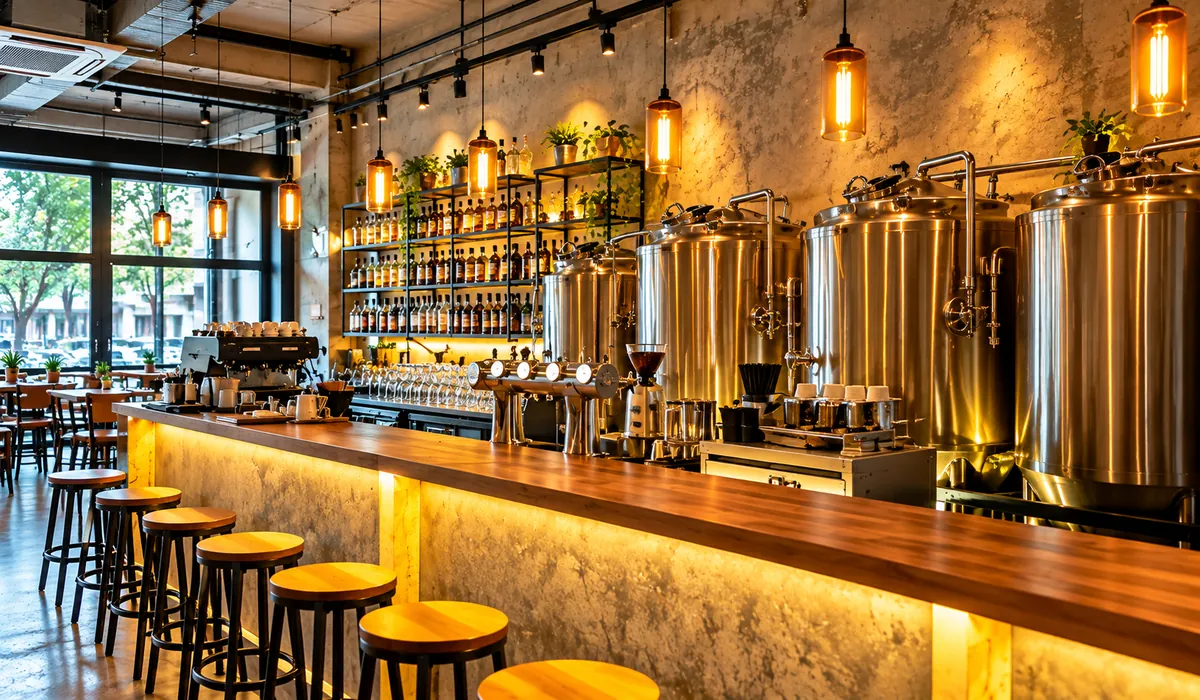
A brewpub brews fresh craft beer on site and serves it in its own restaurant, under state microbrewery rules. Restaurateurs, hospitality investors and beer enthusiasts set these up for walk-in diners, corporate events and tourists. A microbrewery consultant helps you size the brewhouse, plan the fit-out and sequence the approvals. NPCS prepares the project report and supports machinery selection, so you can judge viability before committing to property and equipment.
Microbrewery at a Glance
| Typical capacity | ~500–1,500 litres per day |
|---|---|
| Land | ~3,000–10,000 sq ft (with restaurant) |
| Power load | ~100–300 kW |
| Water | Moderate |
| Manpower | ~10–30 (brewing and service) |
| Indicative investment | ~₹2–8 crore (equipment and fit-out) |
Investment basis: excludes property.
Figures are indicative ranges. Your project report works them out for your capacity and location.
Market Demand for Microbreweries in India
Demand for microbreweries in India comes mainly from craft beer culture in metros. Guests want fresh, unpasteurised beer served where it is brewed, alongside a good food menu. Sales are on site, so the restaurant and the brewery work as one business.
Activity is concentrated in a few cities, and weekends and festive peaks drive the busiest trade.
- Walk-in diners who visit for fresh beer and food
- Corporate events and group bookings
- Tourists, especially in destinations such as Goa
- Clusters in Bengaluru, Pune, Mumbai, Gurugram, Delhi, Hyderabad and Chandigarh
Beer Styles a Microbrewery Can Serve
Most brewpubs start with a small core range and add seasonal beers later. Lager and wheat beer suit casual diners, while IPA and stout appeal to regular craft drinkers. Seasonal specials give returning guests a reason to try something new.
- Lager, wheat beer, IPA, stout and seasonal craft beers (unpasteurised, served fresh)
Microbrewery Process and Quality Control
The microbrewery process turns malt into beer in a compact, sanitary line that ends at the tap. Milled malt is mashed and lautered to extract wort, which is boiled with hops, cooled and fermented. The beer then matures in serving tanks and is dispensed fresh.
Your main technology choice is brewhouse size, from about 5 HL to 20 HL, and whether you serve from tanks or kegs. Quality control centres on alcohol content, sanitation and batch-to-batch consistency, along with FSSAI requirements. A reliable CIP system keeps cleaning consistent.
- Milling
- Mashing
- Lautering
- Boiling with hops
- Cooling
- Fermentation
- Conditioning in serving tanks
- Dispensing on tap
Raw Materials and Machinery for a Microbrewery
A brewpub uses four inputs: malt, hops, yeast and water. Malt is sourced both domestically and from imports, while hops are imported, so ordering cycles need planning. The machinery that matters most is the two- or three-vessel brewhouse, fermenters and serving tanks, because they set capacity, beer quality and the guest experience.
- Malt mill
- Two- or three-vessel brewhouse
- Fermenters
- Serving tanks
- Chiller
- CIP system
- Dispensing taps
Microbrewery Licence and Approvals in India
The state microbrewery licence comes first, since it is available only in states that allow it. Alongside it you'll need the bar licence, FSSAI licence, fire NOC and trade licence. Small breweries are generally Orange, but the State Pollution Control Board fixes the category. Beer falls under state excise, so confirm local rules before leasing premises.
| Pollution category | Small breweries are generally Orange; the State PCB fixes the category |
|---|---|
| HSN code | 2203 (beer) |
| GST | Beer is outside GST (state excise); restaurant services follow GST for food |
| BIS / quality control order | No QCO |
| FSSAI | FSSAI licence |
| Other licences | State microbrewery licence (available only in states that allow it, such as Maharashtra, Karnataka, Haryana, Delhi, Punjab, Telangana, Goa); bar licence; fire NOC; trade licence |
Choosing the Right Microbrewery Size
Plant size should follow expected footfall, not ambition. Capacity typically runs from about 500 to 1,500 litres per day, and brewhouses range from about 5 HL to 20 HL. A smaller unit keeps equipment cost and power load lower, while a larger one suits a high-traffic location with events. Investment is indicative and excludes property, so your project report should test each size against your own site.
Managing Seasonality and Working Capital
Trade peaks on weekends and festive periods, so cash flow can swing between weeks. Plan imported hops and malt purchases so stock supports peak demand without tying up too much money. Rent is a large fixed cost, which makes working capital planning important before opening. Your financial projections should show monthly cash needs, not only annual totals.
Funding a Microbrewery Project
A microbrewery isn't scheme-driven, and state excise policy decides whether the project is viable. Funding usually comes from promoter capital and bank finance. NPCS reports are used for bank loans and government programmes, subject to each lender's requirements. A clear microbrewery project report helps lenders see equipment cost, fit-out and repayment capacity.
What Decides Success in a Microbrewery
Successful brewpubs get location, beer quality and the food menu right. Plan early for the risks that most often slow projects down.
- Location with steady footfall
- Consistent, well-made beer
- A food menu that keeps guests returning
- Licence timelines that can delay opening
- High rentals and excise rules on sales
- Spent grain, which can be sold as feed
How NPCS Helps You Set Up a Microbrewery
NPCS supports the decisions that shape a brewpub: brewhouse size, machinery selection, vendor selection, plant layout and the approvals sequence. Our team prepares a bankable project report tailored to your capacity, budget and city. We also guide production process planning and installation and commissioning assistance, so equipment and layout fit the restaurant design.
NPCS's published client list records 223 assignments across food and agro processing projects between 2009 and 2026, for clients in 28 states and 26 countries.
What Your Microbrewery Project Report Covers
- Project introduction and BIS specifications
- Manufacturing process with flow sheet
- Market survey (demand, imports/exports, existing units)
- Personnel
- Plant and machinery with suppliers
- Land and building with layout
- Raw materials with sources and rates
- Financials (project cost, working capital, cost of production, profitability, break-even, 5–10 year cash flow, projected balance sheet, IRR/NPV/payback)
Microbrewery: Frequently Asked Questions
What is the microbrewery setup cost in India?
Equipment and fit-out typically cost about ₹2–8 crore, depending on brewhouse size and restaurant design. This is indicative and excludes property. Your project report works out the cost for your capacity and location.
Which licences are needed for a microbrewery?
You need a state microbrewery licence, a bar licence, an FSSAI licence, a fire NOC and a trade licence. Small breweries are generally Orange, but the State Pollution Control Board fixes the category.
How much space and power does a microbrewery need?
A brewpub with its restaurant typically needs about 3,000–10,000 sq ft and a power load of about 100–300 kW. Water need is moderate. Exact figures depend on capacity and layout.
How to start a microbrewery business?
Start by checking that your state allows microbrewery licences. Then fix location, brewhouse size and budget, prepare a project report, and apply for approvals before buying equipment. Machinery selection and fit-out follow once the licence path is clear.
How does NPCS help with a microbrewery project?
NPCS prepares a detailed project report covering process, machinery, approvals and financials. Our team also supports machinery and vendor selection and layout planning. Share your city and planned capacity, and we'll outline the next steps.