
 Aditya Birla Management Corporation
 UPL
 DCM Shriram Industries
 Tata Steel
 JSW Steel
 ITC (Agri Business Division)
 Godrej & Boyce
 Grasim Industries (Century Rayon)
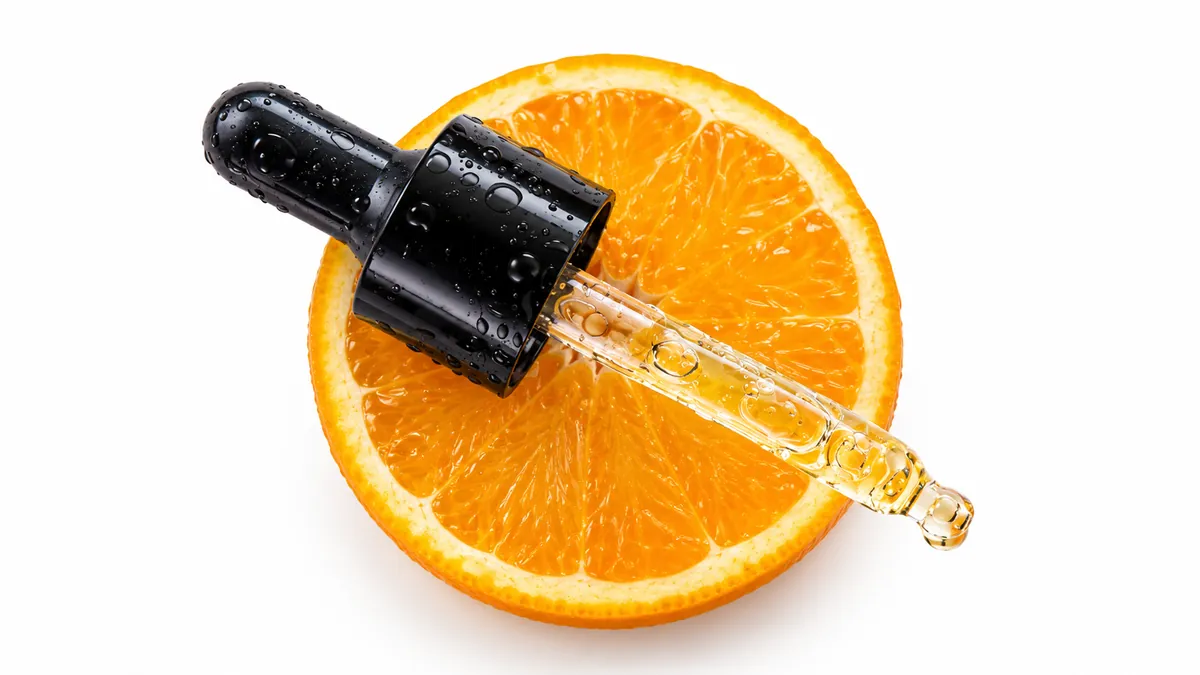
Diosmin makers, nutraceutical firms and exporters buy hesperidin made from orange peel, and a hesperidin extraction plant consultant helps you plan that supply chain properly. Entrepreneurs choose this project because peel from juice plants in Maharashtra and Punjab is a low-cost raw material. Our team supports you with technology choice, machinery selection, approvals and a bankable project report, so your plant is planned around real purity and peel supply needs.
Hesperidin Extraction Plant at a Glance
| Typical capacity | ~20–200 TPA |
|---|---|
| Land | ~1–3 acres |
| Power load | ~200–600 kW |
| Water | High |
| Manpower | ~15–40 |
| Indicative investment | ~₹5–25 crore |
Investment basis: excludes land.
Figures are indicative ranges. Your project report works them out for your capacity and location.
Market Demand for Hesperidin in India
Demand for hesperidin is led by diosmin, the venotonic drug made from it. Buyers also include nutraceutical and cosmetic companies, and export potential is high. Peel supply is seasonal, so plants usually sit close to juice processors in Maharashtra and Punjab.
- Diosmin makers who need 90%+ hesperidin as feedstock
- Nutraceutical firms using citrus bioflavonoid complex
- Cosmetic brands buying bioflavonoid ingredients
- Exporters supplying pharma and supplement buyers abroad
Hesperidin Products You Can Make
Most new units start with hesperidin at 90%+ purity, since it sells to both pharma and nutraceutical buyers. The citrus bioflavonoid complex suits supplement makers. Diosmin needs further processing, so it is usually a later addition once your base plant is stable.
- Hesperidin (90%+), citrus bioflavonoid complex, diosmin (with further processing)
Hesperidin Extraction Plant Process
The hesperidin extraction plant process starts with dried peel that is milled, then extracted in an alkaline medium. After filtration, acid precipitation brings the hesperidin out of solution, and washing and drying follow before final purification. Quality is controlled at the end and at each stage. Hesperidin assay by HPLC, heavy metals and residual solvents are the key tests buyers expect. You can run the plant standalone or integrate it with pectin extraction, which changes how you use the spent peel.
- Peel drying and milling
- Alkaline extraction
- Filtration
- Acid precipitation
- Washing
- Drying
- Purification
Raw Materials and Machinery
The main input is dried orange peel, along with alkali, acid and solvents. Peel typically comes from juice plants in Maharashtra and Punjab. The machines that matter most are the mill, extraction tanks, filter press, precipitation tanks, centrifuge and dryer, and their sizing decides your yield and purity.
- Mill
- Extraction tanks
- Filter press
- Precipitation tanks
- Centrifuge
- Dryer
Licences and Approvals for a Hesperidin Extraction Plant
Hesperidin extraction plant licence and approvals begin with business registration, then consent to establish from the State Pollution Control Board before construction. Chemical extraction with effluent is generally Orange category. Consent to operate follows once the plant is built. No QCO applies, but extra permits depend on your buyers.
- FSSAI for nutraceutical grade
- Drug licence for pharma-grade supply
| Pollution category | Chemical extraction with effluent: generally Orange |
|---|---|
| HSN code | 2938 (glycosides) |
| GST | 18% generally |
| BIS / quality control order | No QCO |
| FSSAI | FSSAI for nutraceutical grade |
| Other licences | Drug licence for pharma-grade supply |
Making Money from Hesperidin By-Products
Spent peel left after extraction still has value. It can be sold as a source of pectin or as animal feed, which improves the economics of the plant. If you integrate pectin extraction, the same peel earns twice. Plan buyers and storage for this material early, so it doesn't become a disposal problem.
Choosing the Right Hesperidin Plant Size
Capacity typically ranges from ~20–200 TPA, and indicative investment from ~₹5–25 crore excluding land. A smaller unit suits a first plant near one juice cluster and a narrow buyer list. Larger units need more peel, more water, more power and firmer export contracts. Your report works out the right size for your location.
Government Schemes and Project Finance
State incentives may apply to a hesperidin extraction plant, depending on where you set up. A detailed project report is the base document lenders ask for. NPCS reports are used for bank loans and programmes such as PMEGP, MSME schemes, Mudra and NABARD-linked projects, subject to each lender's requirements.
What Decides Success in a Hesperidin Extraction Plant
Plants succeed when peel supply is secure and purity is consistent. The main risk is Chinese competition, which pressures prices.
- Contract peel supply early, because peel is seasonal
- Hold purity steady to meet diosmin makers' specifications
- Plan effluent treatment for high water use
- Sell spent peel as pectin or feed
How NPCS Helps You Set Up a Hesperidin Extraction Plant
NPCS ties its services to the decisions you face: capacity, standalone or pectin-integrated technology, machinery and vendor selection, and plant layout. Our team also guides production process, approvals and installation and commissioning assistance. The result is a project report built around your budget, location and buyers.
NPCS's published client list records 223 assignments across food and agro processing projects between 2009 and 2026, for clients in 28 states and 26 countries.
What Your Hesperidin Extraction Plant Project Report Covers
- Project introduction and BIS specifications
- Manufacturing process with flow sheet
- Market survey (demand, imports/exports, existing units)
- Personnel
- Plant and machinery with suppliers
- Land and building with layout
- Raw materials with sources and rates
- Financials (project cost, working capital, cost of production, profitability, break-even, 5–10 year cash flow, projected balance sheet, IRR/NPV/payback)
Hesperidin Extraction Plant: Frequently Asked Questions
How much does a hesperidin extraction plant cost in India?
Indicative investment is ~₹5–25 crore, excluding land. The figure depends on capacity, technology and whether you add pectin extraction. A project report gives a costed estimate for your planned size and location.
Which pollution category applies to hesperidin extraction?
Chemical extraction with effluent is generally Orange category. You need consent to establish from the State Pollution Control Board before construction, and consent to operate afterwards. Your process and effluent design can affect the final classification.
How much land and power does a hesperidin plant need?
Typically about 1–3 acres of land and a power load of ~200–600 kW, depending on capacity. Water requirement is high, so site selection should consider water availability and effluent treatment.
How do I start a hesperidin extraction plant business?
Start by confirming peel supply and target buyers, then fix capacity and technology. Next comes a project report, registration, pollution consent, machinery orders and finance. Peel from juice plants in Maharashtra and Punjab is the usual starting point.
How does NPCS help with a hesperidin extraction plant?
NPCS prepares the detailed project report, helps select technology, machinery and vendors, and guides approvals and plant layout. Share your planned capacity and location, and our team will tailor the report to your project.