
 Aditya Birla Management Corporation
 UPL
 DCM Shriram Industries
 Tata Steel
 JSW Steel
 ITC (Agri Business Division)
 Godrej & Boyce
 Grasim Industries (Century Rayon)
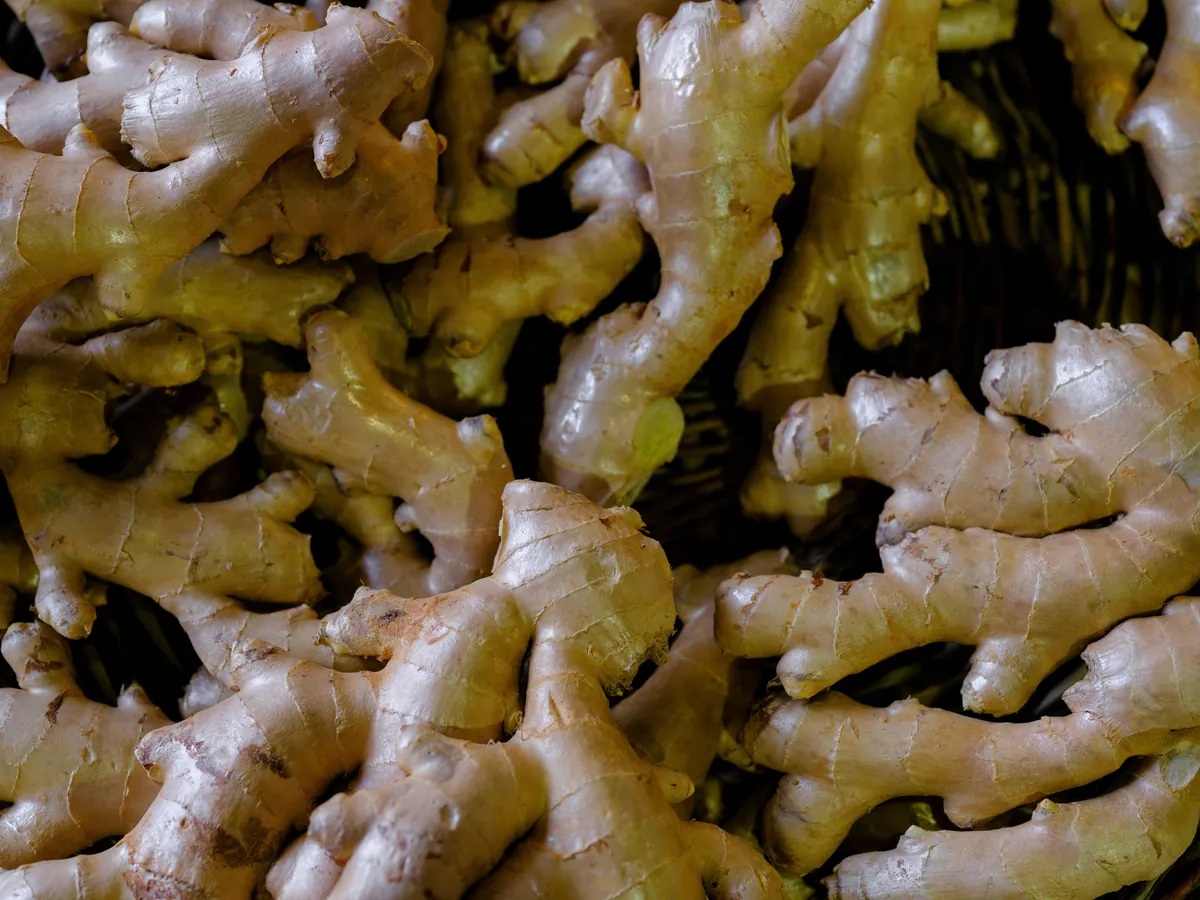
A ginger processing plant turns fresh rhizomes into dried ginger (sonth), powder, paste, candy and oil for spice companies, beverage makers and exporters. Entrepreneurs in ginger-growing belts choose it because the raw material is local and demand from spice blends, health drinks and ayurvedic products is steady. A ginger processing plant consultant helps you pick the right product mix, size the unit and sort out approvals. NPCS prepares the project report and supports you through machinery selection and setup.
Ginger Processing Plant at a Glance
| Typical capacity | ~1–20 TPD fresh ginger |
|---|---|
| Land | ~0.5–2 acres |
| Power load | ~50–300 kW |
| Water | Moderate |
| Manpower | ~10–50 |
| Indicative investment | ~₹50 lakh–₹8 crore |
Investment basis: excludes land.
Figures are indicative ranges. Your project report works them out for your capacity and location.
Market Demand for Ginger Processing in India
Demand for processed ginger comes mainly from spice exports and the growing health drink segment. Industry is concentrated near the growing areas, so raw material cost and freshness favour units set up close to the farms. Export potential is high, which rewards plants that meet buyer quality norms.
- Spice and food companies buying powder and paste
- Beverage makers using ginger for health drinks
- Exporters shipping sonth and powder
- Ayurvedic product makers needing oil and extracts
Ginger Products You Can Make
Dried ginger and powder suit spice buyers and exporters, while paste serves food processors and kitchens. Candy and oil need extra equipment, so many new units start with sonth and powder and add other products once sales are steady.
- Dried ginger (sonth), ginger powder, ginger paste, ginger candy, ginger oil and oleoresin
Ginger Processing Plant Process
The ginger processing plant process starts with washing and peeling, then slicing and drying before the ginger is ground and sieved. Drying is the step that decides quality, since sun drying is cheaper but mechanical dryers give a more hygienic product. Paste follows a separate route of grinding, blending, pasteurising and filling.
Quality is checked for moisture, volatile oil, gingerol, microbial limits and pesticide residues. FSSAI and Spices Board standards guide these tests, and oil production uses steam distillation.
- Washing
- Peeling
- Slicing
- Drying (sun or mechanical)
- Grinding
- Sieving
- Packing; paste: grinding, blending, pasteurising, filling
Raw Materials and Machinery for a Ginger Plant
Fresh ginger is the main input, sourced from Kerala, Karnataka, Assam, Meghalaya, Sikkim and Odisha. Paste needs salt and preservatives, and candy needs sugar. Dryers, pulverisers and sifters matter most for powder, while a paste grinder and pasteuriser are needed for paste lines.
- Washer
- Peeler
- Slicer
- Dryer
- Pulveriser
- Sifter
- Paste grinder
- Pasteuriser
- Filling and packing
Ginger Processing Plant Licence and Approvals
Start with business registration, then apply for consent to establish from the State Pollution Control Board before construction. Food processing is Green below 10 KLD wastewater without a boiler, and Orange with a boiler or 10 KLD+ wastewater. Add the FSSAI licence and Legal Metrology, then take consent to operate.
- Spices Board registration (CRES) is needed for exports
- No QCO applies to this product
| Pollution category | Food processing: Green below 10 KLD wastewater without boiler (CPCB S.No. 56.2); Orange with boiler or 10 KLD+ wastewater (56.1) |
|---|---|
| HSN code | 0910 11/12 (ginger) |
| GST | 5% on dried and powdered ginger; paste and candy follow their own entries |
| BIS / quality control order | No QCO |
| FSSAI | FSSAI licence |
| Other licences | Spices Board registration (CRES) for exports; Legal Metrology |
Securing Ginger Supply at Harvest
Harvest runs from December to March, so most of your annual ginger must be bought in a short window. Contracting with farmers in Kerala, Karnataka or the North East before the season helps control cost. Drying part of the stock into sonth lets you hold inventory without spoilage, though price swings remain a real risk to plan for.
Choosing the Right Ginger Plant Size
Capacity typically ranges from about 1 to 20 TPD of fresh ginger, with investment from about ₹50 lakh to ₹8 crore excluding land. A small unit can focus on dried ginger and powder with sun or simple dryers. Larger plants add mechanical drying, paste lines and testing, which raises power load and manpower accordingly.
Government Schemes and Project Finance
Relevant support includes the Mission for Integrated Development of Horticulture for North East ginger, PMFME where ginger is an ODOP product, and Spices Board schemes. A bankable project report helps lenders assess your plan. NPCS reports are used for bank loans and government programmes, subject to each lender's requirements.
What Decides Success in a Ginger Processing Plant
Good operators buy at harvest, dry carefully and hold export certifications. The main risks are price swings and residue limits for exports. Peels can go to compost.
- Sourcing at harvest
- Consistent drying quality
- Export certifications in place
- Pesticide residue checks on every lot
How NPCS Helps You Set Up a Ginger Processing Plant
NPCS helps you decide capacity, technology and product mix, then prepares a ginger processing plant project report you can use with lenders. Our team supports machinery selection, vendor selection and plant layout. We also guide you through installation and commissioning assistance and the approvals your location needs.
NPCS's published client list records 6 assignments on ginger processing projects between 2014 and 2025 for clients in 3 states and 3 countries, including techno-economic feasibility studies and market research reports.
What Your Ginger Processing Plant Project Report Covers
- Project introduction and BIS specifications
- Manufacturing process with flow sheet
- Market survey (demand, imports/exports, existing units)
- Personnel
- Plant and machinery with suppliers
- Land and building with layout
- Raw materials with sources and rates
- Financials (project cost, working capital, cost of production, profitability, break-even, 5–10 year cash flow, projected balance sheet, IRR/NPV/payback)
Ginger Processing Plant: Frequently Asked Questions
How much does ginger processing plant setup cost in India?
Investment typically falls between about ₹50 lakh and ₹8 crore, excluding land. The figure depends on capacity, drying method and whether you add paste, candy or oil lines. Your project report works out the cost for your plan.
Which licences are needed for a ginger processing plant?
You need an FSSAI licence, Legal Metrology registration and State Pollution Control Board consents. Exporters also need Spices Board registration (CRES). Pollution category is Green or Orange depending on wastewater volume and whether a boiler is used.
How much land and power does a ginger processing plant need?
A plant typically needs about 0.5 to 2 acres and a power load of about 50 to 300 kW. Water requirement is moderate. Actual needs depend on capacity and on which products you plan to make.
How to start a ginger processing plant business?
Begin with a feasibility study and project report covering capacity, products and location. Then register the business, obtain pollution consent to establish, arrange finance, order machinery and apply for FSSAI. Choosing a site near ginger-growing areas helps with sourcing.
How does NPCS help with a ginger processing plant?
NPCS prepares a detailed project report and supports machinery selection, vendor selection, plant layout and approvals planning. Our team has handled ginger processing assignments for clients in 3 states and 3 countries, including feasibility studies and market research.