
 Tata Steel
 JSW Steel
 Tata Metaliks
 Shyam Metalics and Energy
 KRIBHCO Infrastructure
 Sarda Metals & Alloys
 Shyam Steel
 Shyam Steel Industries
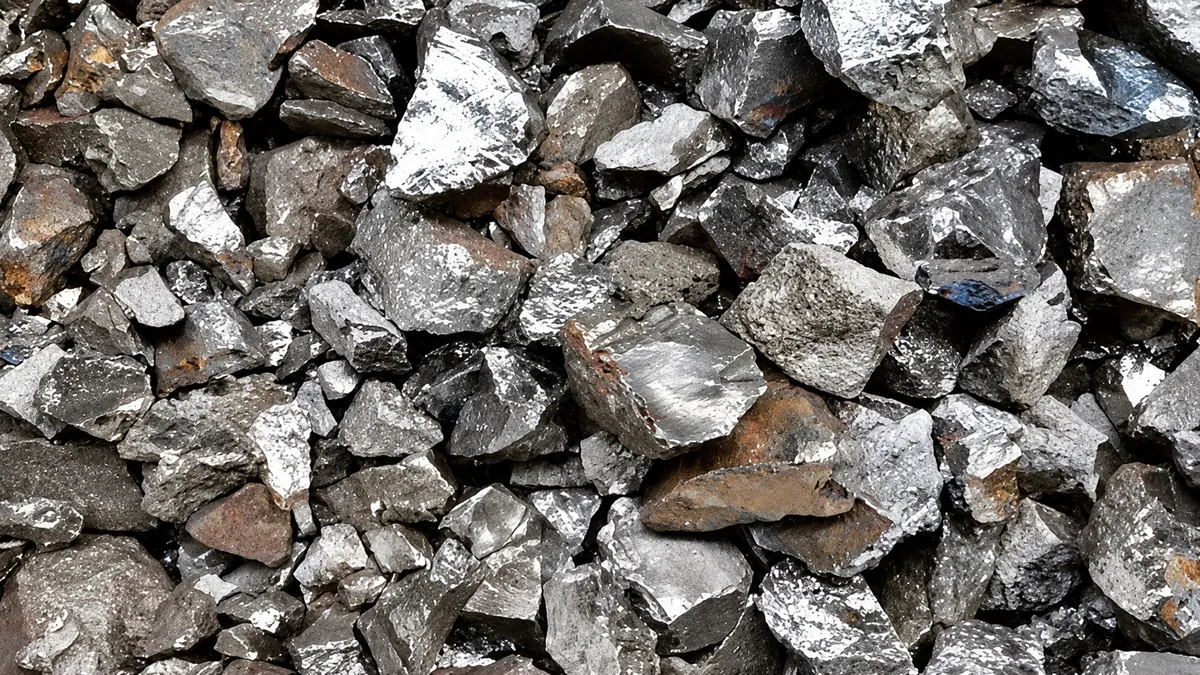
A ferro alloys plant smelts manganese, chrome or quartz ores in submerged arc furnaces to make alloys that steel mills and foundries use for deoxidation and alloying. Entrepreneurs and steel-linked groups choose this project because demand follows steel capacity growth. A good ferro alloys plant consultant helps you test power cost, ore access and pollution compliance before you commit capital. NPCS supports you with feasibility, technology choice and the project report lenders ask for.
Ferro Alloys Plant at a Glance
| Typical capacity | ~20,000–100,000 TPA |
|---|---|
| Land | ~15–40 acres |
| Power load | ~10–40 MW (power-intensive) |
| Water | Moderate (cooling) |
| Manpower | ~100–300 |
| Indicative investment | ~₹80–500 crore |
Investment basis: captive power adds cost; excludes land.
Figures are indicative ranges. Your project report works them out for your capacity and location.
Market Demand for Ferro Alloys in India
Demand for ferro alloys in India rises with steelmaking, because every tonne of steel needs deoxidisers and alloying additions. The steel capacity target of 300 MT is the main demand driver. Production is concentrated near ore and power, so your location choice shapes your margins. Export potential is medium, and seasonality is low.
- Steel plants buying silico-manganese and ferro-manganese
- Foundries needing alloying additions
- Traders who stock and resell alloys
- Exporters serving overseas steel makers
- Clusters in Odisha, Chhattisgarh, West Bengal, Andhra Pradesh, Meghalaya and Karnataka
Ferro Alloys Products You Can Make
Most new units start with silico-manganese or high-carbon ferro-manganese, since both suit manganese ore routes and steel plant demand. Ferro-silicon uses quartz, while ferro-chrome depends on chrome ore access. Pick the product your ore supply and power contract can support.
- Silico-manganese, high-carbon ferro-manganese, ferro-silicon, ferro-chrome (ore-dependent)
Ferro Alloys Plant Process and Quality Control
The ferro alloys plant process is a continuous smelting cycle. Sized and blended ores, coke or coal and fluxes are charged into the submerged arc furnace, where electrode current melts them. Metal and slag are then tapped separately, and the metal is cast, crushed and sized for packing.
Quality is controlled at blending and at tapping. Buyers check chemical composition, namely Mn, Si, C and P, along with size, against IS standards and their own specifications. Furnaces of 9–33 MVA are the usual range, and captive power can cut cost sharply.
- Raw material sizing and blending
- Charging submerged arc furnace
- Tapping metal and slag
- Casting
- Crushing and sizing
- Packing
Raw Materials and Machinery for a Ferro Alloys Plant
Ore, coke or coal, dolomite and electrode paste are your main inputs. Manganese ore comes from MOIL in Maharashtra and Madhya Pradesh, or from imports, while chrome ore comes from Odisha. The furnace with its transformer is the costliest item, and fume extraction with a bag filter is essential for compliance.
- Submerged arc furnace with transformer
- Electrode system
- Raw material handling
- Casting beds
- Crushers
- Fume extraction and bag filter
Ferro Alloys Plant Licence and Approvals
Ferro alloy manufacture falls in the Red pollution category, so Environmental Clearance is required before you build. Plan the approvals in sequence, because delays here hold up the whole project. Your lender will also expect them in the timeline.
- Business registration and land clearance
- Environmental Clearance and consent to establish
- HT power connection or captive plant approvals
- Factory licence and consent to operate
| Pollution category | Ferro alloy manufacture: Red; Environmental Clearance required |
|---|---|
| HSN code | 7202 (ferro-alloys) |
| GST | 18% |
| BIS / quality control order | QCO coverage changes often; NPCS verifies the current BIS requirement for your product during project planning |
| Other licences | Environmental Clearance; HT power connection or captive plant approvals; factory licence |
Choosing the Right Furnace Technology
Furnace size decides your product range, power draw and staffing. Submerged arc furnaces of 9–33 MVA are the options in the facts, and larger units spread fixed cost over more tonnes. However, they need a firmer power contract and ore supply.
Captive power reduces cost sharply but adds to the investment. Smaller units suit buyers with a grid tariff incentive and a steady local ore source.
Choosing the Right Ferro Alloys Plant Size
Plant size changes everything in this project. Capacity typically runs from about 20,000 to 100,000 TPA, with an indicative investment of ~₹80–500 crore, excluding land. Larger plants need roughly 15–40 acres and 10–40 MW of power.
Start smaller if power or ore is not yet secured. Scale up only after the first furnace runs at steady efficiency.
Government Schemes and Project Finance
State power-tariff incentives are the scheme that matters most, because they are critical for viability. Check them state by state before fixing your location. NPCS reports are used for bank loans and government programmes such as PMEGP, MSME schemes, Mudra and NABARD-linked projects, subject to each lender's requirements.
What Decides Success in a Ferro Alloys Plant
Good operators lock in power cost, ore access and furnace efficiency first. Slag also earns revenue, as it goes into the silico-manganese charge or road filling.
- Power price swings
- Ore price changes
- Pollution compliance for a Red category unit
How NPCS Helps You Set Up a Ferro Alloys Plant
NPCS works on the decisions that define this project: capacity, furnace technology, machinery selection and vendor choice. Our team also supports plant layout, approvals planning, and installation and commissioning assistance. The project report ties these together with financials that a lender can review.
NPCS's published client list records 13 assignments on ferro alloys projects between 2009 and 2024 for clients in 8 states and 5 countries, including detailed project reports, bankable project reports and techno-economic feasibility studies.
What Your Ferro Alloys Plant Project Report Covers
- Project introduction and BIS specifications
- Manufacturing process with flow sheet
- Market survey (demand, imports/exports, existing units)
- Personnel
- Plant and machinery with suppliers
- Land and building with layout
- Raw materials with sources and rates
- Financials (project cost, working capital, cost of production, profitability, break-even, 5–10 year cash flow, projected balance sheet, IRR/NPV/payback)
Ferro Alloys Plant: Frequently Asked Questions
How much does ferro alloys plant setup cost in India?
Indicative investment is about ₹80–500 crore, depending on capacity and furnace size. Captive power adds cost, and land is excluded. Your project report works out the figure for your capacity and location.
Which licences and pollution category apply to a ferro alloys plant?
Ferro alloy manufacture falls in the Red category, and Environmental Clearance is required. You also need an HT power connection or captive plant approvals, plus a factory licence. NPCS verifies any current BIS requirement during planning.
How much land and power does a ferro alloys plant need?
Typically about 15–40 acres of land and 10–40 MW of power, depending on capacity. Water need is moderate, mainly for cooling. Power is the biggest cost, so secure the connection or captive plan early.
How do I start a ferro alloys plant business?
Begin with a feasibility study covering product choice, ore access and power cost. Then fix location, apply for Environmental Clearance, and select the furnace and machinery. A bankable project report supports your finance application.
How can NPCS help with a ferro alloys plant project report?
NPCS prepares detailed and bankable project reports, feasibility studies and market research for ferro alloys projects. We also guide machinery selection, vendor choice and approvals. Reports are tailored to your capacity, budget and location.