
 Aditya Birla Management Corporation
 UPL
 DCM Shriram Industries
 Tata Steel
 JSW Steel
 ITC (Agri Business Division)
 Godrej & Boyce
 Grasim Industries (Century Rayon)
A dairy plant collects raw milk, chills it, pasteurises it and packs it, then turns surplus into curd, paneer, ghee, butter, powder or ice cream. Entrepreneurs, FPOs and cooperatives set these units up to supply households, sweet shops, bakeries, HoReCa and institutional buyers. A dairy plant consultant helps you decide the size, product mix and technology before money is committed. NPCS supports this with a detailed dairy plant project report, machinery guidance and approval planning.
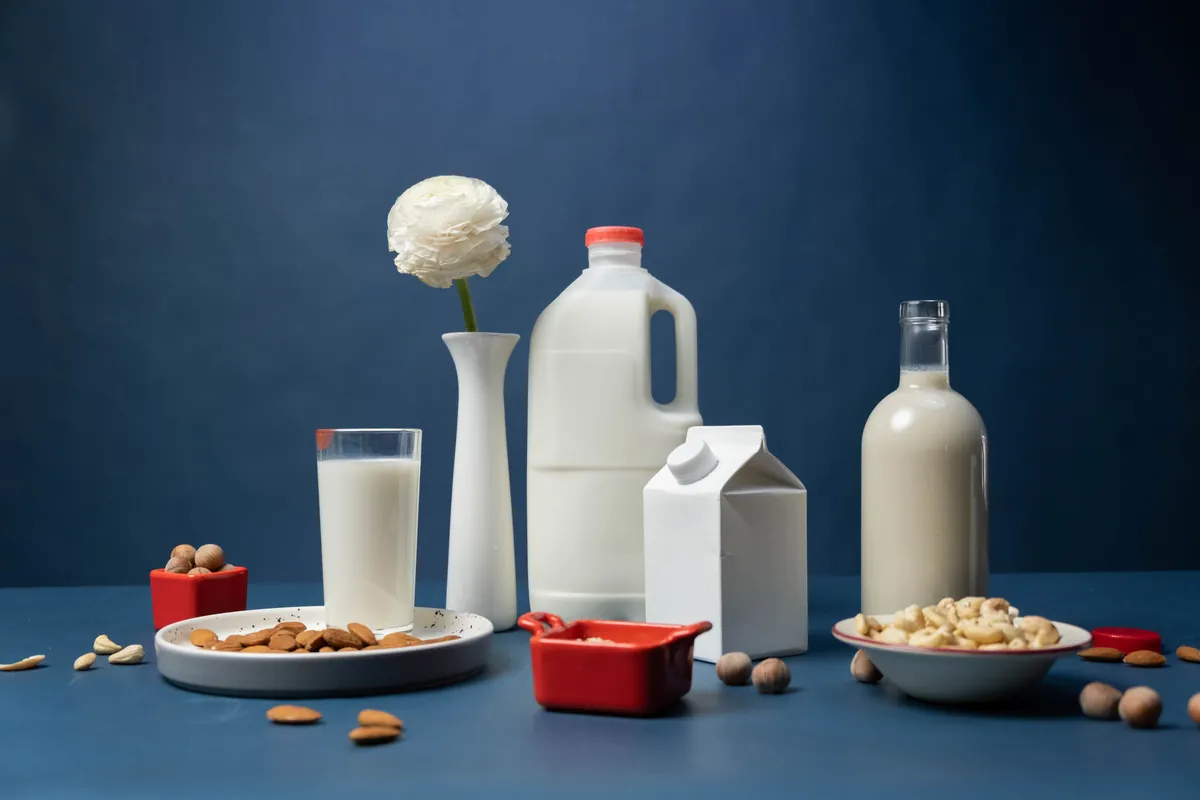
Dairy Plant at a Glance
| Typical capacity | ~10,000–50,000 litres/day (small/mid) to 1–5 lakh litres/day (large) |
|---|---|
| Land | ~1–5 acres |
| Power load | ~150 kW–1 MW+ (refrigeration-heavy) |
| Water | High, CIP and cleaning; ETP essential |
| Manpower | ~30–150 plus procurement network |
| Indicative investment | ~₹3–10 crore (10,000–50,000 LPD) to ₹30–100+ crore (large integrated) |
Investment basis: processing, packing, refrigeration, utilities, ETP; excludes land and collection network.
Figures are indicative ranges. Your project report works them out for your capacity and location.
Market Demand for Dairy Plants in India
Demand for packed dairy in India is steady because India is the world's largest milk producer and buyers keep shifting from loose to packed milk. Paneer, curd and ghee are growing as well, which rewards plants that add value beyond pouch milk.
Dairy processing is concentrated in Gujarat, Uttar Pradesh, Rajasthan, Maharashtra and Punjab, with strong activity in Haryana, Andhra Pradesh, Telangana, Karnataka, Tamil Nadu and Madhya Pradesh. Export potential is low to medium, mainly ghee, butter and milk powder to the Gulf and South-East Asia.
- Morning distribution routes and retailers
- Modern trade and quick commerce
- HoReCa and sweet shops
- Institutional buyers and food processors
Dairy Products You Can Make
Most new plants begin with pasteurised pouch milk and add curd, paneer or ghee as cash flow allows. Powder and UHT milk suit larger plants with the capital and technical staff to run them.
- Pasteurised pouch milk (toned, double-toned, full cream)
- UHT milk
- Curd, lassi, buttermilk
- Paneer
- Ghee and butter
- Skimmed milk powder
- Flavoured milk
- Ice cream
Dairy Plant Process Step by Step
The dairy plant process starts at the reception dock, where every milk lot is tested for fat, SNF and adulteration before it is accepted. After chilling, the milk is clarified, standardised, homogenised and pasteurised by HTST, or treated by UHT for longer shelf life.
Quality is controlled at source and again before packing. Plants also check MBRT, antibiotic and aflatoxin M1 residues, and keep CIP hygiene records to meet FSSAI dairy standards. Product lines such as curd, paneer, butter, ghee and powder branch off after standardisation or pasteurisation.
- Milk reception and testing
- Chilling
- Clarification
- Standardisation (fat/SNF)
- Homogenisation
- Pasteurisation (HTST) or UHT
- Packing. Product lines: curd fermentation; paneer coagulation and pressing; cream separation
- Butter and ghee; evaporation and spray drying
- Powder
Raw Materials and Machinery for a Dairy Plant
Raw cow and buffalo milk is the main input, along with starter cultures, pouch film, cups, tins and cleaning chemicals for CIP. Milk usually comes through village collection centres, bulk milk coolers, cooperatives, FPOs or your own farms. Chillers, the HTST pasteuriser, homogeniser, refrigeration plant and ETP matter most, because they drive both quality and running cost.
- Reception dock
- Chillers
- Clarifier
- Cream separator
- Homogeniser
- HTST pasteuriser
- Pouch packers
- Curd incubation rooms
- Paneer press
- Ghee kettle
- CIP system
- Boiler
- Refrigeration plant
- ETP
- Spray dryer for powder
Dairy Plant Licence and Approvals
Dairy plant licence and approvals follow a fixed order: unit registration, State Pollution Control Board consent to establish before construction, then the FSSAI licence and consent to operate. The pollution category depends on the process and fuel. Integrated dairies are Red, while small units on PNG are Orange. Your FSSAI licence type depends on daily litres handled.
- Factory licence and boiler approval under IBR
- Ammonia refrigeration safety clearance
- Legal Metrology registration for packed goods
- EPR registration as brand owner for plastic pouches
| Pollution category | Integrated dairy: Red (CPCB Jan-2025 classification report, Annexure-I S.No. 87.1); small units on coal/biomass: Red if wastewater ≥100 KLD (87.2), Orange if <100 KLD (87.3); small units on PNG: Orange (87.4); ice-cream units: Orange (78); packing of milk powder only: White (94) |
|---|---|
| HSN code | 0401 (milk); 0403 (curd, lassi, buttermilk); 0405 (butter, ghee); 0406 (cheese, paneer); 0402 (milk powder, condensed milk); 2105 (ice cream) |
| GST | Fresh and pasteurised milk: Nil; UHT milk: Nil (from 5%); pre-packaged paneer: Nil; butter, ghee, cheese, condensed milk: 5% (from 12%); milk powder: 5%; ice cream: 5% (from 18%), all w.e.f. 22-09-2025. Pre-packaged curd/lassi/buttermilk: 5% (loose: Nil) |
| BIS / quality control order | No QCO; under FSSAI regulations, milk powder and condensed milk are among products sold only with BIS certification |
| FSSAI | FSSAI Central licence for dairy units handling more than 50,000 litres of milk per day; State licence from 501 to 50,000 litres per day; registration up to 500 litres per day |
| Other licences | Factory licence; boiler (IBR); ammonia refrigeration safety; Legal Metrology; EPR registration as brand owner for plastic pouches |
Managing Seasonality and Working Capital in a Dairy Plant
Milk supply swings with the seasons, so working capital planning matters as much as machinery. In the winter flush, surplus milk can go into powder and ghee instead of being sold cheaply. Summer lifts curd, lassi and ice-cream demand, so plan capacity and cold storage for it. Payments to farmers are frequent while retail payments come later, so keep a cash buffer for procurement.
Choosing the Right Dairy Plant Technology
Your route should match your capital and your buyers. A mini dairy that pasteurises and packs is the simplest entry. A mid-size multi-product plant adds curd, paneer and ghee for better margins. An integrated plant with a spray dryer and UHT line suits larger investors who can manage a wide procurement network and absorb flush-season surplus.
Government Schemes and Dairy Project Finance
The Animal Husbandry Infrastructure Development Fund offers interest subvention for private dairy processing, and the Dairy Processing and Infrastructure Development Fund serves cooperatives. PMFME supports micro units, and several states run dairy policies. NPCS reports are used for bank loans and programmes such as PMEGP, MSME schemes, Mudra and NABARD-linked projects, subject to each lender's requirements.
What Decides Success in a Dairy Plant
Good operators secure reliable procurement, test quality at source and keep the cold chain unbroken. They also build dense distribution and a value-added product mix. Whey from paneer, buttermilk and ghee residue can add income if planned early.
- Adulteration risk in incoming milk
- Competition from cooperatives
- Thin margins on liquid milk
- ETP compliance and seasonal price swings
How NPCS Helps You Set Up a Dairy Plant
Our team works through the decisions that shape a dairy project: capacity, technology route, machinery specifications and vendor selection. We also support plant layout, production process guidance and approvals planning. If you are weighing a plan to start a dairy plant business, we prepare a customised report for your capacity, budget and location.
NPCS's published client list records 15 assignments on dairy and milk-products projects between 2013 and 2026 for clients in 7 states and 3 countries, including detailed project reports, bankable project reports and techno-economic feasibility studies.
What Your Dairy Plant Project Report Covers
- Project introduction and BIS specifications
- Manufacturing process with flow sheet
- Market survey (demand, imports/exports, existing units)
- Personnel
- Plant and machinery with suppliers
- Land and building with layout
- Raw materials with sources and rates
- Financials (project cost, working capital, cost of production, profitability, break-even, 5–10 year cash flow, projected balance sheet, IRR/NPV/payback)
Dairy Plant: Frequently Asked Questions
How much does dairy plant setup cost in India?
An indicative range is ₹3–10 crore for a 10,000–50,000 litres per day plant, and ₹30–100+ crore for a large integrated one. This excludes land and the collection network. Your project report works out the cost for your capacity.
Which licences are needed for a dairy plant?
You need an FSSAI licence based on daily milk volume, State Pollution Control Board consents, a factory licence, IBR approval for the boiler and Legal Metrology registration. Pollution category varies from Red to Orange or White depending on process and fuel.
How much land and power does a dairy plant need?
A dairy plant typically needs about 1–5 acres and a power load of about 150 kW to 1 MW+, since refrigeration is power-heavy. Water use is high because of CIP and cleaning, so an effluent treatment plant is essential.
How do I start a dairy plant business?
Begin by fixing capacity, product mix and milk sourcing, then prepare a project report. Next, arrange land, consent to establish and finance, and then order machinery. Securing reliable milk procurement early is the step that most affects success.
How can NPCS help with my dairy plant project?
NPCS prepares detailed and bankable project reports, feasibility studies and market research for dairy projects. Our team also guides machinery selection, vendor selection, layout and approvals. Share your capacity and location to get started.