
 Aditya Birla Management Corporation
 UPL
 DCM Shriram Industries
 Tata Steel
 JSW Steel
 ITC (Agri Business Division)
 Godrej & Boyce
 Grasim Industries (Century Rayon)
Nutraceutical brands, food colour houses and pharma companies buy curcumin 95% powder in steady volumes, and that demand draws entrepreneurs to extraction. A curcumin extraction plant consultant helps you decide capacity, technology and approvals before you commit capital. NPCS has advised on such projects since 1994, preparing detailed project reports and feasibility studies that cover solvent recovery, purity testing and market access, so your plant is planned around real buyer requirements.
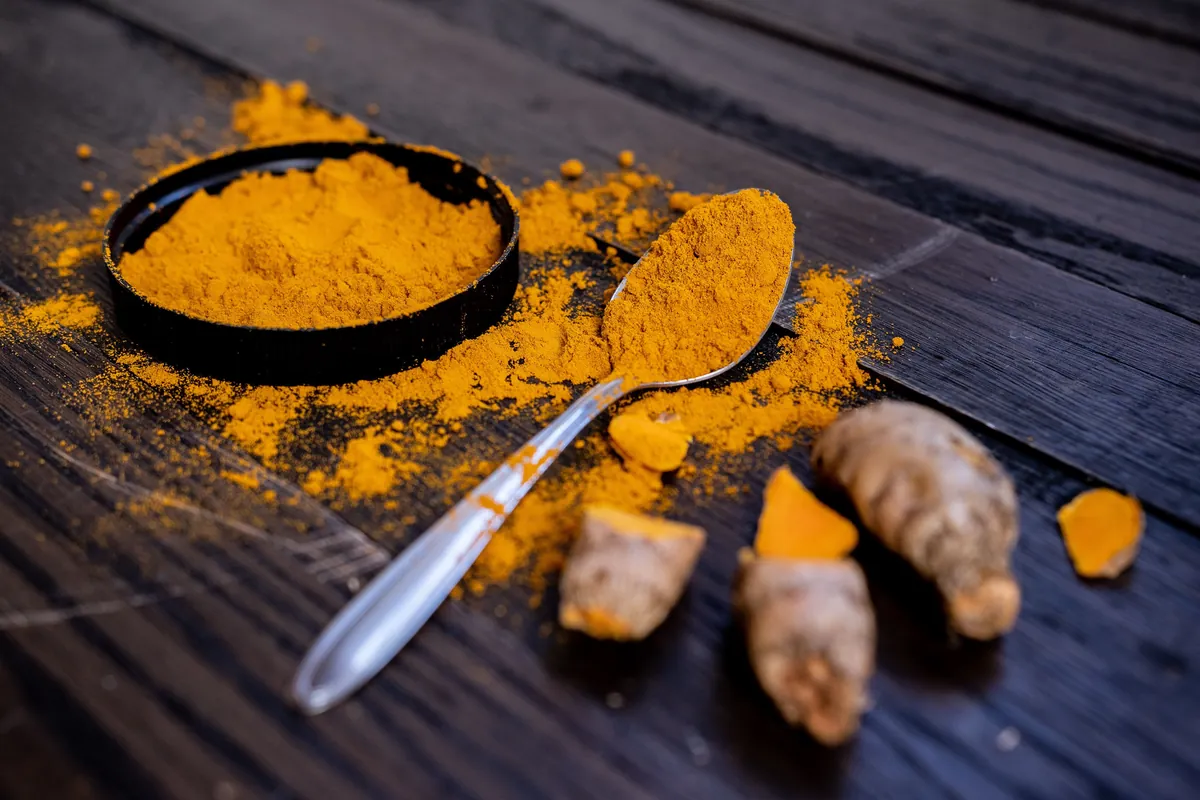
Curcumin Extraction Plant at a Glance
| Typical capacity | ~50–500 TPA of turmeric processed per month equivalent; output ~2–30 TPA curcumin |
|---|---|
| Land | ~1–3 acres |
| Power load | ~150–600 kW |
| Water | Moderate (cooling, cleaning) |
| Manpower | ~25–80 |
| Indicative investment | ~₹5–30 crore |
Investment basis: extraction, solvent recovery and lab; excludes land and turmeric working capital.
Figures are indicative ranges. Your project report works them out for your capacity and location.
Market Demand for Curcumin Extraction in India
Curcumin demand in India comes mainly from nutraceutical makers, natural colour suppliers and exporters. Three drivers support it: global nutraceutical demand, natural food colours replacing synthetics, and India's large turmeric production base. Export potential is high. Extraction units cluster near turmeric belts such as Erode and Salem in Tamil Nadu, Sangli in Maharashtra and Nizamabad in Telangana, with Kerala and Gujarat also active.
- Nutraceutical brands and contract manufacturers
- Food colour houses
- Pharma companies
- Exporters
Curcumin Products You Can Make
Most new units start with curcumin 95% powder, since nutraceutical buyers purchase it regularly. Turmeric oleoresin comes out of the same process as a co-product. Water-dispersible curcumin and E100 food colour grades suit beverage and food customers, and can be added once your purity and testing systems are settled.
- Curcumin 95% powder
- Turmeric oleoresin
- Water-dispersible curcumin
- Curcumin for food colour (E100)
- Spent turmeric meal
Curcumin Extraction Plant Process
The curcumin extraction plant process turns dried turmeric into purified crystals through solvent extraction. Ground turmeric is extracted with food-grade solvent, filtered, and the solvent is recovered for reuse. The concentrated oleoresin then goes to crystallisation, where curcuminoids separate out before washing, drying and milling.
Technology is a real choice. Batch percolation extractors cost less to start, continuous countercurrent extraction suits larger volumes, and supercritical CO2 serves premium solvent-free grades. Quality control centres on curcuminoid content by HPLC, residual solvents against ICH limits, heavy metals, pesticide residues and microbial limits.
- Turmeric cleaning and grinding
- Solvent extraction
- Filtration
- Solvent recovery
- Oleoresin concentration
- Crystallisation of curcuminoids
- Washing and drying
- Milling and sieving
- Testing and packing
Raw Materials and Machinery for a Curcumin Plant
Dried turmeric fingers or powder from high-curcumin varieties is your main input, along with ethyl acetate, acetone or ethanol, filter aids and packaging. Turmeric is sourced from Erode, Sangli, Nizamabad, Waigaon, Lakadong and Kandhamal. The machines that matter most are the solvent extractors, solvent recovery column, crystalliser and the HPLC lab.
- Pulveriser
- Solvent extractors
- Filter press
- Solvent recovery column
- Vacuum evaporators
- Crystalliser
- Centrifuge
- Vacuum dryer
- Multi-mill
- HPLC lab
Licences and Approvals for a Curcumin Extraction Plant
Curcumin extraction plant licence and approvals follow a set order. Register the unit and obtain a factory licence first, then apply for consent to establish from the State Pollution Control Board before construction. Solvent extraction of plant actives is generally Orange, though the State PCB fixes the category at consent stage. Consent to operate comes after commissioning.
- PESO approval for solvent storage
- Boiler registration (IBR) if you use a steam boiler
- FSSAI licence for food-grade curcumin
- Spices Board registration for spice extract exports
| Pollution category | Solvent extraction of plant actives is generally Orange (solvent use, boiler); the State PCB fixes the category at consent stage |
|---|---|
| HSN code | 3203 (colouring matter of vegetable origin); 1302 (oleoresins) |
| GST | 18% generally; classification depends on grade and end use (food colour vs extract), applied in the project financials |
| BIS / quality control order | No QCO |
| FSSAI | FSSAI licence for food-grade curcumin; nutraceutical claims follow FSSAI Nutraceutical Regulations |
| Other licences | Factory licence; PESO for solvent storage; boiler registration (IBR) if steam boiler; Spices Board registration for spice extracts exports |
Choosing the Right Curcumin Extraction Technology
Batch percolation extractors suit smaller plants and first-time operators, because they are simpler to run and need less capital. Continuous countercurrent extraction suits higher throughput, where steady solvent use and lower labour per tonne matter. Supercritical CO2 avoids solvents altogether and serves premium grades, though it fits only buyers who pay for that positioning. Your target grades and capacity should decide the route.
Managing Seasonality and Working Capital
Turmeric is harvested from January to April, so plants buy and store a year's stock in a short window. That ties up working capital in raw material, and the investment figure in the project cost excludes it. Price swings can hurt if you buy at the peak. Plan storage space and a finance limit for the buying season before you fix capacity.
Government Schemes and Project Finance for a Curcumin Plant
PMFME may apply because turmeric is an ODOP product in several districts. Spices Board export schemes help exporters, and PMEGP can support small units. NPCS project reports are used for bank loans and government programmes such as PMEGP, MSME schemes, Mudra and NABARD-linked projects, subject to each lender's requirements.
What Decides Success in a Curcumin Extraction Plant
Good operators source high-curcumin turmeric, recover solvent efficiently and verify purity by HPLC. Buyer certifications also open doors. Risks include turmeric price swings, residual-solvent compliance and competition from established extractors. Spent turmeric meal can be sold as fuel or feed, and recovered solvent is reused.
- Sourcing high-curcumin turmeric
- Solvent recovery efficiency
- HPLC-verified purity
- Buyer certifications
How NPCS Helps You Set Up a Curcumin Extraction Plant
Our team works through the decisions that shape this project: capacity, extraction technology, machinery specifications and vendor selection. We support plant layout, production process guidance, and installation and commissioning. A curcumin extraction plant project report from NPCS also gives lenders the costs, margins and approvals they expect to see.
NPCS's published client list records 17 assignments on curcumin extraction projects between 2010 and 2023 for clients in 8 states, including detailed project reports, bankable project reports and techno-economic feasibility studies.
What Your Curcumin Extraction Plant Project Report Covers
- Project introduction and BIS specifications
- Manufacturing process with flow sheet
- Market survey (demand, imports/exports, existing units)
- Personnel
- Plant and machinery with suppliers
- Land and building with layout
- Raw materials with sources and rates
- Financials (project cost, working capital, cost of production, profitability, break-even, 5–10 year cash flow, projected balance sheet, IRR/NPV/payback)
Curcumin Extraction Plant: Frequently Asked Questions
How much does curcumin extraction plant setup cost in India?
An indicative investment is ₹5–30 crore, covering extraction, solvent recovery and the lab. It excludes land and turmeric working capital. The final figure depends on capacity, technology and location, and your project report works it out for your case.
Which licences are needed for a curcumin extraction plant?
You'll typically need a factory licence, PESO approval for solvent storage, and an FSSAI licence for food-grade curcumin. Boiler registration applies if you use steam. The pollution category is generally Orange, but the State PCB decides it.
How much land and power does a curcumin plant need?
Plants typically need about 1–3 acres and a power load of about 150–600 kW, depending on capacity. Water use is moderate, mainly for cooling and cleaning. Exact figures depend on your chosen technology and scale.
How to start a curcumin extraction plant business?
Begin with a project report to fix capacity, technology and budget. Then secure land, register the unit, obtain consent to establish, order machinery and line up turmeric supply. Confirm buyers and certifications early, since nutraceutical customers check purity closely.
How can NPCS help with my curcumin extraction project?
NPCS prepares detailed project reports, bankable reports and feasibility studies for curcumin extraction. Our team also guides machinery selection, vendor choice and plant layout. Share your planned capacity and location, and we'll outline costs and approvals.