
 Tata Steel
 JSW Steel
 Tata Metaliks
 Shyam Metalics and Energy
 KRIBHCO Infrastructure
 Sarda Metals & Alloys
 Shyam Steel
 Shyam Steel Industries
Rod, tube and alloy makers need steady Grade A cathodes, and that demand pulls investors towards refining. A copper cathode refinery turns copper anodes or high-grade scrap into Cu 99.99% cathodes by electrolysis. A good copper cathode refinery consultant helps you size the plant, secure feed and plan power and approvals before capital is committed. NPCS has worked on industrial projects since 1994 and prepares project reports that lenders and promoters can use for real decisions.
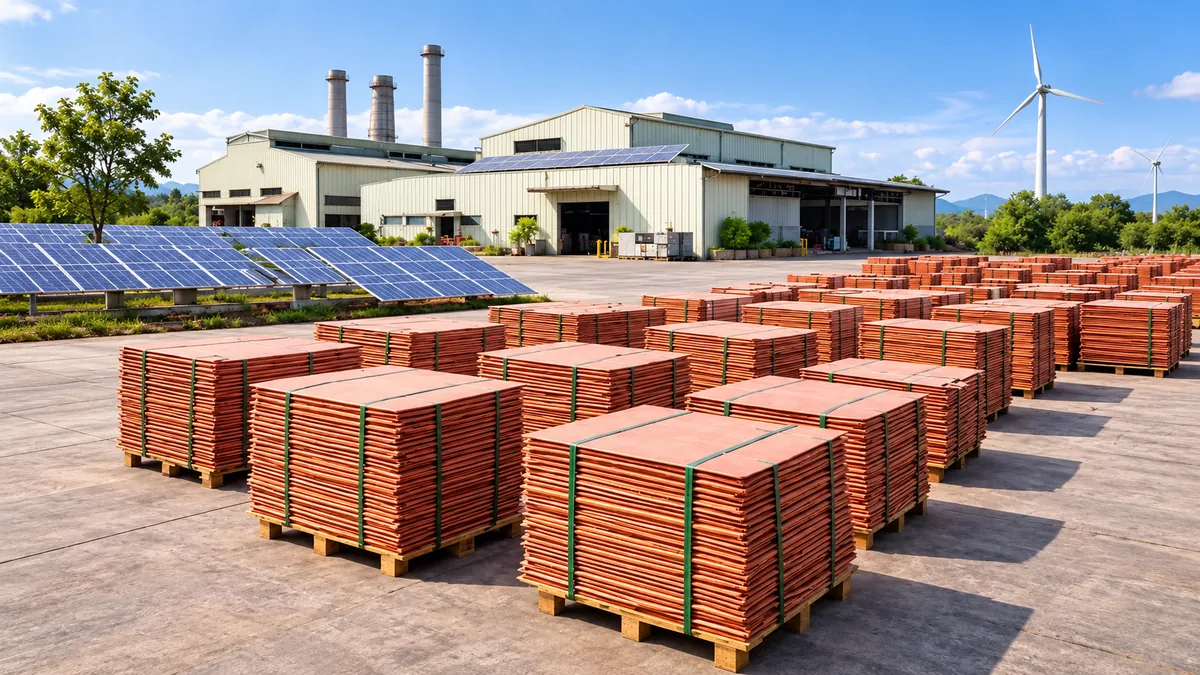
Copper Cathode Refinery at a Glance
| Typical capacity | ~20,000–2 lakh TPA |
|---|---|
| Land | ~20–60 acres |
| Power load | ~10–40 MW |
| Water | Moderate |
| Manpower | ~150–600 |
| Indicative investment | ~₹300–2,000 crore |
Investment basis: excludes land.
Figures are indicative ranges. Your project report works them out for your capacity and location.
Market Demand for Copper Cathode Refineries in India
Cathode demand follows copper use in power, EVs and construction. Wire rod plants (CCR), tube makers and alloy producers buy most of the output. Gujarat, Jharkhand and Odisha are the main clusters. Export potential is medium, so domestic buyers remain the base market, and demand is not seasonal.
- Continuous casting rod (CCR) plants buying Grade A cathodes
- Copper tube manufacturers
- Alloy makers such as brass producers
Copper Cathode Refinery Products You Can Make
Grade A copper cathodes are the main product, sold to rod, tube and alloy makers. Anode slime and copper sulphate are by-products that add revenue. Plan the sales route for each early, since slime needs separate precious metal treatment.
- Grade A copper cathodes, anode slime (precious metals), copper sulphate (by-product)
Copper Cathode Refinery Process
The copper cathode refinery process starts with fire refining of scrap, which is cast into anodes. These anodes hang in electrolytic cells in the tank house, and pure copper plates onto cathodes under direct current. Cathodes are then stripped, washed and bundled for dispatch.
Quality control matters most at the cathode stage. Output is tested to the LME Grade A specification, with Cu 99.99% and impurities held within limits. The facts point to two routes: a conventional tank house with permanent cathodes, and scrap-based refining.
- Scrap melting and fire refining
- Anode casting
- Electrolytic refining in tank house
- Cathode stripping and washing
- Slime recovery
- Bundling
Raw Materials and Machinery for a Copper Cathode Refinery
Feed is either copper anodes from smelters or fire-refined scrap, which may be domestic or imported. You also need sulphuric acid and additives for the electrolyte. The key machines are the anode furnace, anode casting wheel, electrolytic cells and rectifiers, which supply the direct current for electrolysis.
- Anode furnace
- Anode casting wheel
- Electrolytic cells
- Rectifiers
- Cathode stripping machine
- Slime treatment
Copper Cathode Refinery Licence and Approvals
Copper refining falls in the Red pollution category, so Environmental Clearance comes first. Register the unit, then obtain clearance and consent from the State Pollution Control Board before construction. Hazardous waste authorisation is needed for spent electrolyte and slime. If you plan scrap imports, check import compliance early. Cathodes also come under BIS quality control orders for copper products.
| Pollution category | Copper refining and smelting: Red; Environmental Clearance required |
|---|---|
| HSN code | 7403 11 (copper cathodes) |
| GST | 18% |
| BIS / quality control order | Copper products under BIS quality control orders |
| Other licences | Environmental Clearance; hazardous waste authorisation; scrap import compliance |
Choosing the Right Copper Cathode Refinery Size
Plant size changes almost everything in a refinery. Indicative capacity runs from about 20,000 to 2 lakh TPA, with land of about 20–60 acres and power of about 10–40 MW. Smaller units suit promoters with secure scrap supply and limited capital. Larger plants need firm anode contracts and dependable power, so a staged build can lower early risk.
Choosing the Right Refining Technology
A conventional tank house with permanent cathodes suits plants fed by purchased anodes. Scrap-based refining adds a fire refining and anode casting stage, so it suits promoters with access to domestic or imported scrap. The right choice depends on feed contracts, power cost and the capex you can finance.
Government Schemes and Project Finance for a Copper Cathode Refinery
Copper is a critical mineral, so the National Critical Mineral Mission may be relevant, alongside state incentives. Capex is high, with an indicative range of about ₹300–2,000 crore excluding land. NPCS reports are used for bank loans and government programmes, subject to each lender's requirements, so a detailed report supports your application.
What Decides Success in a Copper Cathode Refinery
Good operators secure feed and keep power cost under control. They also sell by-products such as anode slime, which holds gold and silver. Common risks are listed below.
- High capex before the first cathode is sold
- Scrap import rules that can change feed availability
- Spent electrolyte needing proper disposal
How NPCS Helps You Set Up a Copper Cathode Refinery
NPCS supports the decisions that shape a refinery: capacity, technology, machinery and approvals. Our team assists with machinery specifications, vendor selection, plant layout and installation support. We also prepare a copper cathode refinery project report with costs and financials, tailored to your feed, budget and location.
NPCS's published client list records 4 assignments on copper cathode refinery projects between 2018 and 2026 for clients in 2 states and 2 countries, including techno-economic feasibility studies and project identification studies.
What Your Copper Cathode Refinery Project Report Covers
- Project introduction and BIS specifications
- Manufacturing process with flow sheet
- Market survey (demand, imports/exports, existing units)
- Personnel
- Plant and machinery with suppliers
- Land and building with layout
- Raw materials with sources and rates
- Financials (project cost, working capital, cost of production, profitability, break-even, 5–10 year cash flow, projected balance sheet, IRR/NPV/payback)
Copper Cathode Refinery: Frequently Asked Questions
How much does copper cathode refinery setup cost in India?
Indicative investment runs from about ₹300–2,000 crore, excluding land. The figure depends on capacity, technology and feed route. Your project report works out the cost for your capacity and location.
Which licences are needed for a copper cathode refinery?
Copper refining is a Red category activity and needs Environmental Clearance. You also need hazardous waste authorisation and scrap import compliance if you import. Copper products fall under BIS quality control orders.
How much land and power does a copper cathode refinery need?
A plant typically needs about 20–60 acres and about 10–40 MW of power, depending on capacity. Water need is moderate. Power cost is a key success factor, so secure supply before finalising the site.
How to start a copper cathode refinery business?
Begin by fixing capacity, feed source and technology route, then prepare a project report. Next, apply for Environmental Clearance and consents, finalise machinery and arrange finance. Our team can outline these steps for your location.
How can NPCS help with my copper cathode refinery?
NPCS prepares project reports and feasibility studies, and guides machinery selection, vendor choice and plant layout. Share your planned capacity and feed source, and our team will outline the project cost and approvals.