
 ITC (Agri Business Division)
 Aditya Birla Management Corporation
 UPL
 Gujarat Ambuja Exports
 Tata Steel
 JSW Steel
 Godrej & Boyce
 Grasim Industries (Century Rayon)
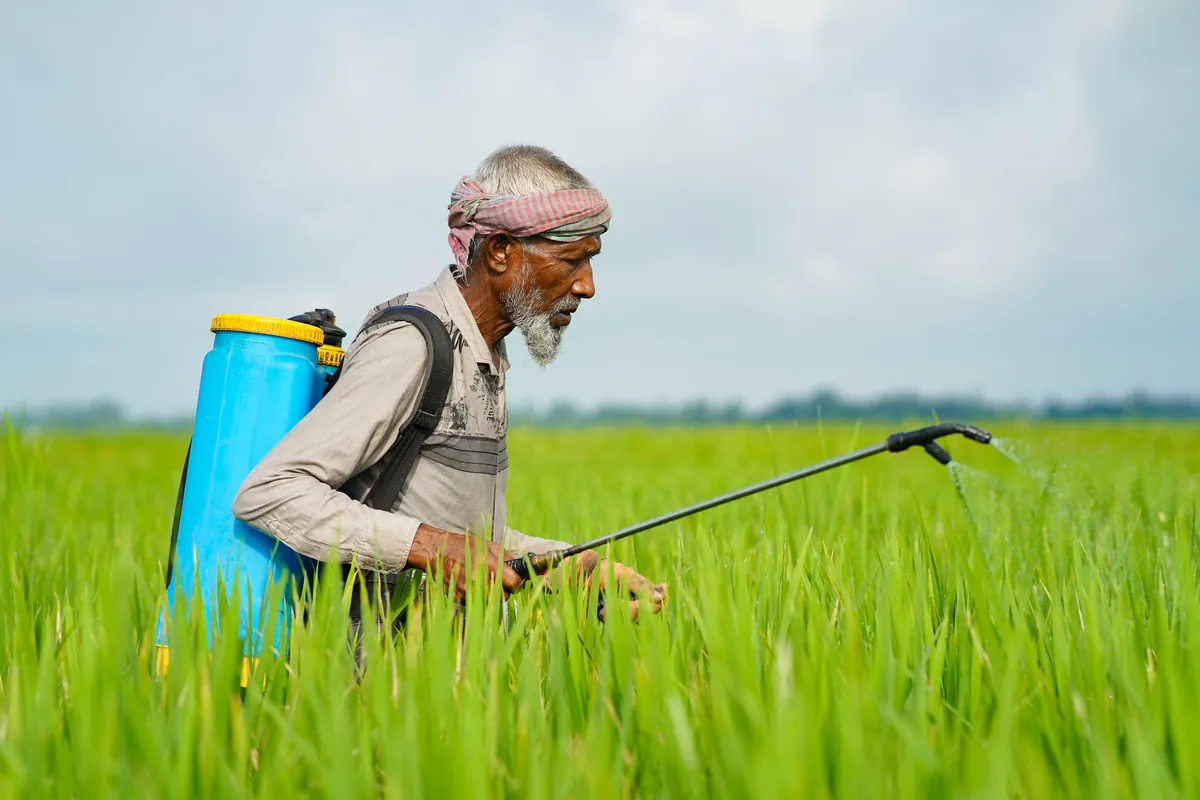
Farmers and organic growers are moving away from chemical sprays, and that is pushing entrepreneurs toward microbial and botanical biocontrol products such as Trichoderma, Pseudomonas, Beauveria, Metarhizium and neem formulations. A biopesticide manufacturing consultant helps you decide which products to make, how to register them and what the plant needs. NPCS supports you with a detailed biopesticide manufacturing project report, technology guidance and approval planning, so your first batch is based on facts rather than guesswork.
Biopesticide Manufacturing at a Glance
| Typical capacity | ~50–500 TPA |
|---|---|
| Land | ~0.5–2 acres |
| Power load | ~50–300 kW |
| Water | Low |
| Manpower | ~10–40 |
| Indicative investment | ~₹50 lakh–₹8 crore |
Investment basis: excludes land.
Figures are indicative ranges. Your project report works them out for your capacity and location.
Market Demand for Biopesticides in India
Demand for biopesticides in India rests on three drivers: chemical pesticide restrictions, organic exports and the push toward natural farming. Most of your sales will pass through dealers, but institutional channels matter too. Established production is concentrated in Maharashtra, Karnataka, Tamil Nadu, Andhra Pradesh and Gujarat, and sales peak in the kharif and rabi seasons. Export potential is low, so plan around the domestic market.
- Farmers buying through agri-input dealers
- Farmer producer organisations (FPOs)
- State agriculture departments
- Organic growers and horticulture farms
Biopesticide Products You Can Make
Fungal products suit most new units because solid-state production is simpler to set up. Bacterial, viral (NPV) and botanical neem products need different equipment and registration. Powder and liquid formulations also serve different dealer and farmer preferences, so choose the first few products with your buyers in mind.
- Fungal biocontrol (Trichoderma, Beauveria, Metarhizium), bacterial (Pseudomonas, Bacillus), viral (NPV), botanical (neem), powder and liquid formulations
Biopesticide Manufacturing Process
The biopesticide manufacturing process starts with a clean, certified culture and ends with a tested, packed formulation. Fungi usually grow well through solid-state fermentation, while bacteria are typically grown in liquid fermenters. Contamination is the main risk during multiplication, so sterile handling matters from the first stage.
Quality is controlled at the testing stage. Each batch is checked for CFU count, contamination and shelf life, against specifications under the Insecticides Act. A well-equipped microbiology lab lets you catch weak batches before they reach dealers and damage your brand.
- Culture maintenance
- Mass multiplication (solid-state or liquid fermentation)
- Harvesting
- Formulation with carrier
- Quality testing (CFU count)
- Packing
Raw Materials and Machinery for Biopesticide Production
Your inputs are pure cultures, growth media such as grain and molasses, talc carriers and packaging. Cultures come from certified repositories, while media and carriers can usually be bought locally. On the machinery side, the autoclave, laminar flow unit, incubators and the fermenters or solid-state trays decide how reliably you can produce clean batches.
- Autoclave
- Laminar flow
- Fermenters or solid-state trays
- Incubators
- Dryer
- Mixer
- Packing
- Microbiology lab
Biopesticide Manufacturing Licence and Approvals
Biopesticide manufacturing licence and approvals follow a clear order. Start with business registration, then apply for the State Pollution Control Board consent before building. Small fermentation-based units are generally Green or Orange, and the State PCB fixes the category. Product registration and the state licence come next.
- CIB&RC registration of each product
- State manufacturing licence under the Insecticides Act
- State PCB consent to establish, then consent to operate
| Pollution category | Small fermentation-based units are generally Green or Orange; the State PCB fixes the category |
|---|---|
| HSN code | 3808 (insecticides and fungicides, incl. biopesticides) |
| GST | 5% under GST 2.0 for specified bio-pesticides |
| BIS / quality control order | No QCO |
| Other licences | CIB&RC registration of each product and a state manufacturing licence under the Insecticides Act |
Choosing the Right Biopesticide Technology
Solid-state fermentation suits fungal products such as Trichoderma, Beauveria and Metarhizium. It uses trays and grain media, so it usually needs less capital and is easier to start with. Liquid fermenters suit bacteria such as Pseudomonas and Bacillus, which grow faster in controlled tanks but demand tighter process control. If you plan both, begin with one route and add the other once your registrations and dealer network are in place.
Managing Seasonality and Working Capital
Sales peak in the kharif and rabi seasons, so production should be timed to build stock before each one. Shelf life limits how early you can produce, which makes batch planning important. Dealers often buy ahead of the season and settle later, so keep enough working capital to cover media, packaging and payroll until collections arrive. Your project report can model this cash cycle.
Government Schemes and Project Finance
Relevant support includes Paramparagat Krishi Vikas Yojana, the National Mission on Natural Farming and state subsidies on bio-inputs. These also help create demand for your products. NPCS reports are used for bank loans and government programmes such as PMEGP, MSME schemes, Mudra and NABARD-linked projects, subject to each lender's requirements.
What Decides Success in a Biopesticide Manufacturing Unit
Successful operators get three things right: CIB registration, proven field efficacy and a reliable dealer network. The main risks are registration time and shelf life, so plan both before committing capital. Spent media can be sold as compost, which adds a small side income.
- Register products early
- Prove efficacy in field trials
- Build dealer relationships before launch
- Control batch contamination and shelf life
How NPCS Helps You Set Up a Biopesticide Manufacturing Unit
NPCS works through the decisions that shape your unit: product selection, capacity, technology route, machinery specifications and vendor selection. Our team also supports plant layout, approvals planning and the financial model lenders ask for. Installation and commissioning assistance helps you move from approved plan to first production run with fewer surprises.
NPCS's published client list records 15 assignments across agriculture and allied activities projects between 2011 and 2026, for clients in 7 states and 3 countries.
What Your Biopesticide Manufacturing Project Report Covers
- Project introduction and BIS specifications
- Manufacturing process with flow sheet
- Market survey (demand, imports/exports, existing units)
- Personnel
- Plant and machinery with suppliers
- Land and building with layout
- Raw materials with sources and rates
- Financials (project cost, working capital, cost of production, profitability, break-even, 5–10 year cash flow, projected balance sheet, IRR/NPV/payback)
Biopesticide Manufacturing: Frequently Asked Questions
How much does it cost to set up a biopesticide manufacturing unit?
An indicative investment is ₹50 lakh–₹8 crore, excluding land. The figure depends on capacity, product range and whether you use solid-state trays or liquid fermenters. A project report works out the cost for your plan.
Which licences are needed for biopesticide manufacturing?
You need CIB&RC registration of each product and a state manufacturing licence under the Insecticides Act. You also need State Pollution Control Board consent, and small fermentation units are generally Green or Orange, as the State PCB decides.
How much land and power does a biopesticide plant need?
A plant typically needs about 0.5–2 acres of land and a power load of about 50–300 kW, depending on capacity. Water requirement is low. Your final figures depend on the products and technology you choose.
How do I start biopesticide manufacturing?
Begin by choosing products and a technology route, then prepare a project report and apply for registrations and PCB consent. Next, finalise machinery, site and finance. Registration takes time, so start those applications early.
How can NPCS help with a biopesticide project?
NPCS prepares the project report, advises on technology and machinery, and supports approvals planning and finance documentation. Share your planned products, capacity and location, and our team will outline the next steps.