
 ITC (Agri Business Division)
 Aditya Birla Management Corporation
 UPL
 Gujarat Ambuja Exports
 Tata Steel
 JSW Steel
 Godrej & Boyce
 Grasim Industries (Century Rayon)
Farmers are moving toward organic inputs, and that shift is creating room for new compost, microbial and seed units. An agriculture consultant helps you pick the right unit, size it and plan its approvals before you spend on land or machinery. NPCS advises on vermicompost, organic fertiliser, biofertiliser and seed processing projects. Our team prepares each agriculture project report around your capacity, location and budget, so your decision rests on working numbers.
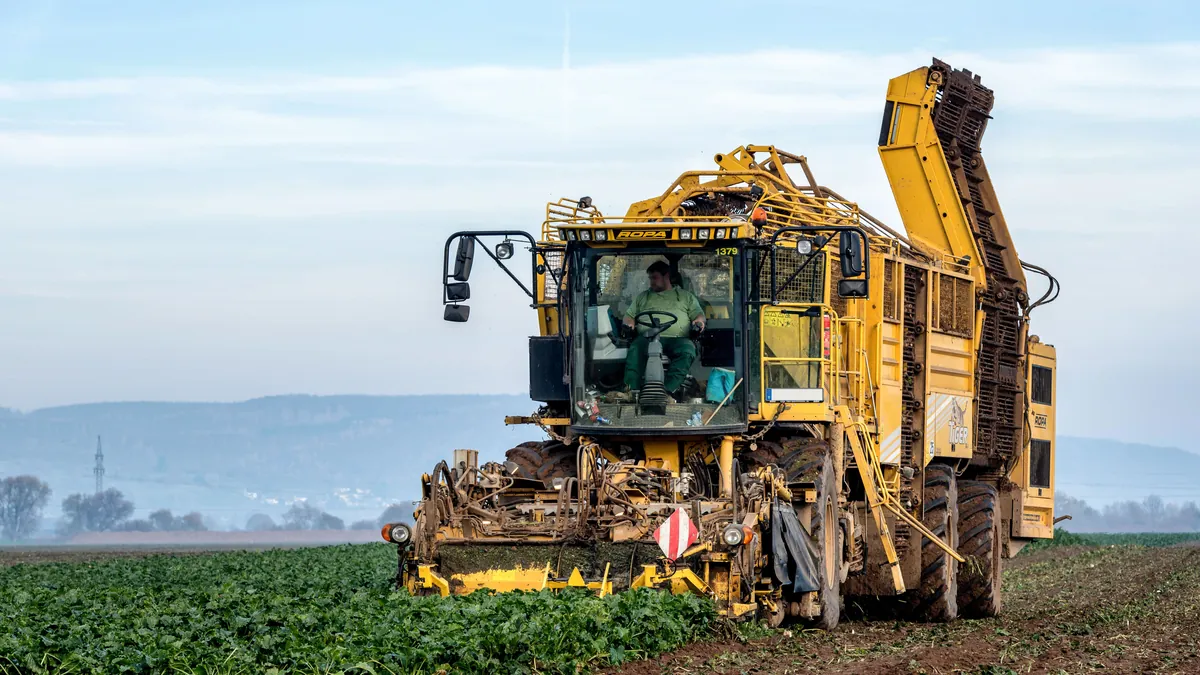
Agriculture Project Opportunities in India
Demand for agri inputs is shaped by what farmers worry about most. Three drivers stand out for new units, and each favours a different kind of plant.
Main buyer groups
- Natural and organic farming is pushing farmers toward compost and bio-inputs.
- Soil-health concerns are raising interest in organic matter and microbes.
- High chemical fertiliser prices make alternatives easier to justify.
Projects We Advise On
Vermicompost Plant
Converting cattle dung, crop residue and other organic waste into nutrient-rich compost with earthworms, then screening and packing it for farmers, nurseries and home gardeners.
- Main buyers
- Farmers and FPOs, organic farms, nurseries, plantations, urban gardeners (online), municipalities (landscaping)
- Typical capacity
- ~100–3,000 tonnes/year
Organic Fertiliser Plant
Producing organic manures and fertilisers, press-mud compost, city compost, phosphate-rich organic manure (PROM) and granulated organic fertiliser, to Fertiliser Control Order specifications.
- Main buyers
- Fertiliser companies (co-marketing FOM), farmers via dealers, FPOs, plantations, horticulture growers
- Typical capacity
- ~5–100 TPD
Biofertiliser Plant
Mass-producing beneficial microbes, nitrogen fixers, phosphate and potash solubilisers, mycorrhiza, in fermenters and formulating them as carrier-based or liquid biofertilisers and biostimulants.
- Main buyers
- Fertiliser companies (co-marketing), state agriculture departments (tenders), dealers, FPOs, organic growers
- Typical capacity
- ~50–1,000 tonnes/year (carrier) or 50–500 KL/year (liquid)
Seed Processing Plant
Cleaning, drying, grading, treating and packing harvested seed so it meets germination and purity standards for sale to farmers under the Seeds Act and Seed Control Order.
- Main buyers
- Farmers via dealers, state seed corporations and agriculture departments, FPOs, seed companies (contract processing)
- Typical capacity
- ~1–10 TPH
Neem Oil and Neem Cake Plant
Expelling oil from neem seed kernels and processing neem cake, with neem-based biopesticide formulation as a value-added line.
- Main buyers
- Fertiliser and agri-input companies, organic farmers, cosmetic and soap makers, exporters
- Typical capacity
- ~5–100 TPD seed
Livestock Farm
Setting up commercial dairy cattle, goat and sheep farms with housing, feed, breeding and milk or meat marketing.
- Main buyers
- Milk cooperatives and private dairies, direct consumers, meat traders
- Typical capacity
- ~20–200 cattle or ~100–1,000 goats
Fish Farming and Aquaculture
Setting up fish and shrimp farms using ponds, biofloc tanks or recirculating aquaculture systems (RAS), with hatchery and feed planning.
- Main buyers
- Fish markets and traders, processors and exporters, restaurants
- Typical capacity
- ~1–20 hectares water area or ~10–100 biofloc tanks
Biopesticide Manufacturing Unit
Producing microbial and botanical biopesticides such as Trichoderma, Pseudomonas, Beauveria, Metarhizium and neem formulations for organic and integrated pest management.
- Main buyers
- Farmers via dealers, FPOs, state agriculture departments, organic growers
- Typical capacity
- ~50–500 TPA
Liquid Fertiliser Plant
Formulating liquid fertilisers, micronutrient mixtures and nutrient solutions for foliar spray and fertigation.
- Main buyers
- Farmers via dealers, horticulture growers, FPOs
- Typical capacity
- ~500–5,000 KL per year
Planning a Different Agriculture Project?
These are a few of the projects we advise on. NPCS's published client list records 15 agriculture and allied activities assignments, so tell us what you are planning.
More Agriculture Projects We Cover
How to Choose the Right Agriculture Project
Start with the raw material you can secure and the buyer you can reach. A vermicompost plant runs on cattle dung and crop residue, so it suits a site near dairies or farms. An organic fertiliser plant adds products like PROM and granulated fertiliser, which means tighter product specifications. A biofertiliser plant needs fermenters and lab control, while a seed processing plant depends on harvested seed supply and germination standards.
| Project | Main inputs | Indicative investment | Power load |
|---|---|---|---|
| Vermicompost Plant | Cattle dung, crop residues, vegetable and market waste, press mud; composting earthworms (e.g. Eisenia fetida, Eudrilus eugeniae); water; bags | ~₹5–50 lakh (bed units) to ₹1–3 crore (mechanised) | ~5–30 kW |
| Organic Fertiliser Plant | Press mud, cattle dung, poultry litter, municipal organic waste, crop residue, biogas slurry; rock phosphate (PROM); microbial inoculants; binders; bags | ~₹50 lakh–₹3 crore (windrow) to ₹5–15 crore (granulated) | ~30–300 kW |
| Biofertiliser Plant | Mother cultures from recognised collections; growth media (molasses, yeast extract, salts); carriers (lignite, talc, vermiculite) or liquid stabilisers; bottles and pouches | ~₹50 lakh–₹5 crore | ~30–200 kW |
| Seed Processing Plant | Raw seed from contract growers; seed-treatment chemicals or biologicals; polymer coating; HDPE bags and laminated pouches | ~₹1–5 crore (processing plant) to ₹10+ crore with controlled storage | ~50–300 kW |
| Neem Oil and Neem Cake Plant | Neem seed kernels, hexane (solvent route), emulsifiers (formulations) | ~₹1–20 crore | ~100–600 kW |
| Livestock Farm | Animals (purchased stock), green and dry fodder, concentrate feed, mineral mixtures, veterinary inputs | ~₹20 lakh–₹5 crore | ~10–100 kW |
| Fish Farming and Aquaculture | Seed (fry, fingerlings, post-larvae), fish feed, probiotics, water | ~₹10 lakh–₹5 crore | ~10–200 kW |
| Biopesticide Manufacturing Unit | Pure cultures, growth media (grain, molasses), carriers (talc), packaging | ~₹50 lakh–₹8 crore | ~50–300 kW |
| Liquid Fertiliser Plant | Fertiliser salts, chelates, water, stabilisers, bottles and cans | ~₹30 lakh–₹5 crore | ~30–200 kW |
Common Agriculture Plant Licences
Most agri-input plants need product registration before they can sell. Organic, bio and biostimulant products fall under Fertiliser Control Order registration, and seed units need licences under the Seeds Act and Seed (Control) Order. Consent to establish and consent to operate apply where the State Pollution Control Board requires them. Physical and biological processes here mostly fall in the White category. Udyam registration is the usual first step.
Approvals Common to Agriculture Plants
- Fertiliser Control Order registration (incl. organic, bio and biostimulant products)
- Seeds Act and Seed (Control) Order licences
- CTE/CTO where applicable
- Udyam
Pollution Category by Project (CPCB, January 2025)
- Vermicompost Plant
- White, organic manure by physical processing (CPCB S.No. 93)
- Organic Fertiliser Plant
- White for organic manure by physical mixing (CPCB S.No. 93); large windrow composting yards with leachate may be Green; municipal-waste composting run as a public service falls under the Blue category (essential environmental services)
- Biofertiliser Plant
- Bio-fertiliser and bio-pesticides without inorganic chemicals: White (CPCB Jan-2025 Annexure-I S.No. 13)
- Seed Processing Plant
- Dry seed processing is generally Green (dust from cleaning and grading); seed-treatment chemicals fall under the Insecticides Act
- Neem Oil and Neem Cake Plant
- Expeller oil mills are generally Green or Orange; solvent extraction raises the category; the State PCB fixes it
- Livestock Farm
- Dairy and animal farms are regulated by state rules (many states require consent above a set herd size); manure management is the main condition
- Fish Farming and Aquaculture
- Inland fish farms usually need no industrial consent; coastal shrimp farms are regulated by the Coastal Aquaculture Authority
- Biopesticide Manufacturing Unit
- Small fermentation-based units are generally Green or Orange; the State PCB fixes the category
- Liquid Fertiliser Plant
- Fertiliser blending without reaction is generally Green or White; the State PCB fixes the category
Agriculture Schemes and Policy Changes
Several schemes touch this sector, including Paramparagat Krishi Vikas Yojana, the Sub-Mission on Seeds and Planting Material, PM-PRANAM, the Agriculture Infrastructure Fund and PMEGP. Eligibility depends on the project and the lender. Two recent changes matter: GST on FCO micronutrients and specified bio-pesticides was cut to 5% in September 2025, and biostimulants now need product registration under FCO.
Schemes and Incentives
- Paramparagat Krishi Vikas Yojana and natural-farming missions
- Sub-Mission on Seeds and Planting Material
- PM-PRANAM
- Market Development Assistance for FOM
- Agriculture Infrastructure Fund
- PMEGP
Policy Changes to Track
- GST on FCO micronutrients and specified bio-pesticides cut to 5% (Sept 2025)
- Biostimulants now need product registration under FCO
How NPCS Works as Your Agriculture Project Consultant
NPCS compares projects with you, then works through capacity, technology, machinery and vendor choices for the one you select. Our team also guides plant layout, installation and commissioning, and prepares a bankable report for loan or subsidy applications. As an agriculture project consultant, we map the approvals your product needs, so registrations and consents follow the right order.
NPCS's published client list records 15 assignments across agriculture and allied activities projects between 2011 and 2026, for clients in 7 states and 3 countries.
Agriculture organisations that appear in NPCS's published client list:
ITC (Agri Business Division), Godrej Agrovet, KRIBHCO Infrastructure, Indian Potash, UPL, DCM Shriram, Harrisons Malayalam; ICAR institutes.
What Your Agriculture Project Report Covers
- Project introduction and BIS specifications
- Manufacturing process with flow sheet
- Market survey (demand, imports/exports, existing units)
- Personnel
- Plant and machinery with suppliers
- Land and building with layout
- Raw materials with sources and rates
- Financials (project cost, working capital, cost of production, profitability, break-even, 5–10 year cash flow, projected balance sheet, IRR/NPV/payback)
Agriculture: Frequently Asked Questions
Which agriculture projects does NPCS advise on?
NPCS advises on vermicompost, organic fertiliser and PROM, biofertiliser and biostimulant, and seed processing plants. Share your budget and location, and our team can suggest which project fits you best.
Do agriculture plants need a pollution control approval?
Mostly physical and biological processes here fall in the White category. Consent to establish and consent to operate from the State Pollution Control Board apply where required. The exact position depends on your process and state, so confirm it during project planning.
Which licences are needed to sell organic or bio fertilisers?
You need Fertiliser Control Order registration, which now covers organic, bio and biostimulant products. Udyam registration is also common. Seed units instead need licences under the Seeds Act and Seed (Control) Order. Your project report lists the sequence for your product.
Can a project report help me apply for a loan or subsidy?
Yes, a bankable project report is the base document lenders review. NPCS reports are used for bank loans and programmes such as PMEGP, subject to each lender's requirements. Approval and subsidy amounts are decided by the lender or agency, not by us.
How do I start an agriculture business with NPCS?
Begin by sharing your preferred project, planned capacity and location. Our team will outline the project cost, approvals and machinery, then prepare a detailed agriculture project report. Enquiries are answered within 24 hours, and what you share stays confidential.