
 Aditya Birla Management Corporation
 UPL
 DCM Shriram Industries
 Tata Steel
 JSW Steel
 ITC (Agri Business Division)
 Godrej & Boyce
 Grasim Industries (Century Rayon)
India grows a large banana crop and loses a lot of it after harvest, which is why processing units for chips, flour, powder and puree keep attracting entrepreneurs. A banana processing plant consultant helps you pick the right product line, size the plant and plan approvals before you spend on machinery. Buyers include snack brands, bakeries, baby-food makers and beverage companies. NPCS supports MSME owners, investors and NRIs with project reports, feasibility studies and market research for this sector.
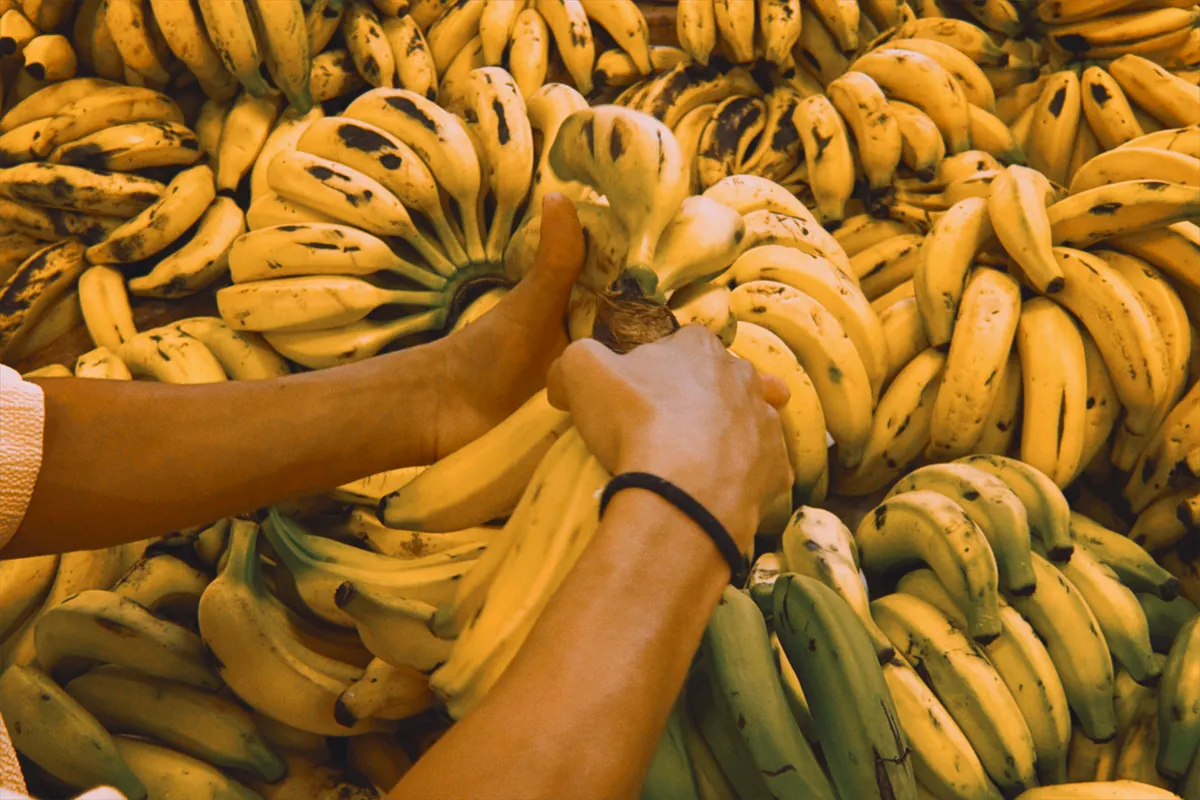
Banana Processing Plant at a Glance
| Typical capacity | ~1–20 TPD of fruit |
|---|---|
| Land | ~0.5–3 acres |
| Power load | ~50–400 kW |
| Water | Moderate |
| Manpower | ~15–80 |
| Indicative investment | ~₹50 lakh–₹10 crore |
Investment basis: chips and powder lines; aseptic puree raises cost; excludes land.
Figures are indicative ranges. Your project report works them out for your capacity and location.
Market Demand for Banana Processing Plants in India
Demand rests on three things: large banana output with high post-harvest loss, rising interest in gluten-free and clean-label foods, and a growing snack market. Raw banana flour suits gluten-free buyers, while ripe banana powder and puree go into baby food, bakery and smoothies. Production is concentrated in Jalgaon, Theni, Trichy, Anand, Kerala and Andhra Pradesh, and units near these clusters get steadier fruit. Export potential is medium.
- Snack brands buying chips
- Bakeries and confectioners using flour and powder
- Baby-food makers and beverage companies
- Exporters and modern trade chains
Banana Products You Can Make
Chips and flour are the usual starting points because the lines are simpler and cheaper. Aseptic puree suits buyers in beverages and baby food, but it needs a larger budget. Banana fibre from pseudo-stem is an allied activity you can add later.
- Banana chips (salted, spiced)
- Raw banana flour
- Ripe banana powder
- Banana puree (aseptic)
- Banana figs
- Banana fibre from pseudo-stem (allied)
Banana Processing Plant Process
The banana processing plant process starts with grading and washing, then peeling, and then splits by product. Chips are sliced and fried, while puree is pulped and pasteurised. Flour and powder are dried and milled. Quality control matters at each stage. For chips, you check moisture, colour, oil content and rancidity. For all products, microbial limits and FSSAI product standards apply. Technology choice affects cost: batch fryers against continuous fryers, tray and tunnel dryers against spray or drum dryers.
- Grading and washing
- Peeling
- Slicing (chips) or pulping (puree)
- Blanching
- Frying or drying (tray, spray or drum)
- Milling (flour, powder)
- Seasoning
- Packing
Raw Materials and Machinery for a Banana Plant
Your main inputs are ripe and raw bananas, edible oil for chips, permitted preservatives and packaging. Fruit usually comes from Jalgaon, Theni, Trichy, Anand, Andhra Pradesh, Kerala and Karnataka. The machines that matter most are the peeler, slicer, fryer, dryers and, for puree, the homogeniser and aseptic filler.
- Washer
- Peeler
- Slicer
- Fryer
- De-oiler
- Flavouring drum
- Dryers
- Pulper
- Homogeniser
- Pasteuriser
- Aseptic filler
- Pulveriser
- Packing machines
Banana Processing Plant Licence and Approvals
Start with Udyam registration, then secure the State Pollution Control Board consent to establish before construction. Food processing is Green below 10 KLD wastewater without a boiler, and Orange with a boiler or 10 KLD and above. Apply for the FSSAI licence, State or Central by capacity, and consent to operate before production. Legal Metrology and APEDA RCMC apply to packed goods and exports.
- Udyam and factory licence
- Consent to establish, then consent to operate
- FSSAI licence by capacity
- Legal Metrology and APEDA RCMC
| Pollution category | Food processing: Green below 10 KLD wastewater without boiler (CPCB S.No. 56.2); Orange with boiler or 10 KLD+ (56.1) |
|---|---|
| HSN code | 0803 (fresh bananas); 2008 (prepared fruit); 1106 (flour of banana); 2007 (purees) |
| GST | Chips and prepared fruit products: 5% under GST 2.0; flour and powder classification-dependent, applied in the project financials |
| BIS / quality control order | No QCO |
| FSSAI | FSSAI licence (State or Central by capacity) |
| Other licences | Udyam; Legal Metrology for packed goods; APEDA RCMC for exports; factory licence |
Choosing the Right Banana Plant Technology
Batch fryers cost less and suit small chips units, while continuous fryers give steadier oil quality at higher volumes. For powder, tray and tunnel dryers are the simpler route, and spray or drum dryers suit larger, finer-grade output. Aseptic puree lines raise investment but open beverage and baby-food buyers. Your project report compares these options against your capacity and budget.
Making Money from Banana Plant By-Products
Banana peels can be sold or used as compost and animal feed, which cuts waste handling cost. Pseudo-stem is the base for banana fibre, an allied product you can add once the main line is stable. Plan collection and storage early, since peels are bulky and perishable.
Government Schemes and Banana Plant Finance
PMFME applies to small units, and banana is an ODOP product in several districts. PMKSY, the Agriculture Infrastructure Fund and APEDA export assistance may also be relevant. NPCS reports are used for bank loans and programmes such as PMEGP, MSME schemes, Mudra and NABARD-linked projects, subject to each lender's requirements.
What Decides Success in a Banana Processing Plant
Good operators secure fruit near the clusters, dry efficiently and build packaging and distribution early. The main risks need a plan from the start.
- Fruit perishability
- Oil quality in chips
- Price competition
- Seasonal price swings in fruit
How NPCS Helps You Set Up a Banana Processing Plant
Our team helps you decide product mix, capacity and technology, then guides machinery selection, vendor selection and plant layout. We also help with approvals planning and installation and commissioning assistance. Your banana processing plant project report brings costs, working capital and profitability into one document that lenders can review.
NPCS's published client list records 14 assignments on banana processing projects between 2012 and 2022 for clients in 6 states, including detailed project reports, bankable project reports and techno-economic feasibility studies.
What Your Banana Processing Plant Project Report Covers
- Project introduction and BIS specifications
- Manufacturing process with flow sheet
- Market survey (demand, imports/exports, existing units)
- Personnel
- Plant and machinery with suppliers
- Land and building with layout
- Raw materials with sources and rates
- Financials (project cost, working capital, cost of production, profitability, break-even, 5–10 year cash flow, projected balance sheet, IRR/NPV/payback)
Banana Processing Plant: Frequently Asked Questions
How much does banana processing plant setup cost in India?
An indicative range is ₹50 lakh–₹10 crore, excluding land. Chips and powder lines sit at the lower end, while aseptic puree raises the cost. Your project report works out the exact figure for your capacity and location.
Which licences does a banana processing plant need?
You need Udyam registration, an FSSAI licence, pollution control consent and a factory licence. Legal Metrology applies to packed goods, and APEDA RCMC to exports. Food processing is Green or Orange depending on wastewater and boiler use.
How much land and power does a banana plant need?
Typically about 0.5–3 acres of land and 50–400 kW of power, depending on capacity and products. Water need is moderate. Puree and dryer lines draw more power than a basic chips unit.
How to start a banana processing plant business?
Begin by choosing your product, such as chips, flour or puree, and a location near banana clusters. Then prepare a project report, register the unit, obtain consents and FSSAI licence, select machinery and arrange finance.
How can NPCS help with my banana processing project?
NPCS prepares detailed project reports, feasibility studies and market research, and supports machinery selection, layout and approvals planning. Share your capacity and location, and our team will outline the project cost and next steps.