
 Aditya Birla Management Corporation
 UPL
 DCM Shriram Industries
 Tata Steel
 JSW Steel
 ITC (Agri Business Division)
 Godrej & Boyce
 Grasim Industries (Century Rayon)
An apple processing plant turns culled and processing-grade fruit into juice concentrate, ready-to-serve juice, cider vinegar, dried apple and pomace products. Beverage makers, bakeries, retailers and exporters buy these outputs. Entrepreneurs in the apple belt choose this project because it gives value to fruit that fresh markets reject. As an apple processing plant consultant, NPCS helps you pick the right product line, size the plant and prepare a report that lenders can assess.
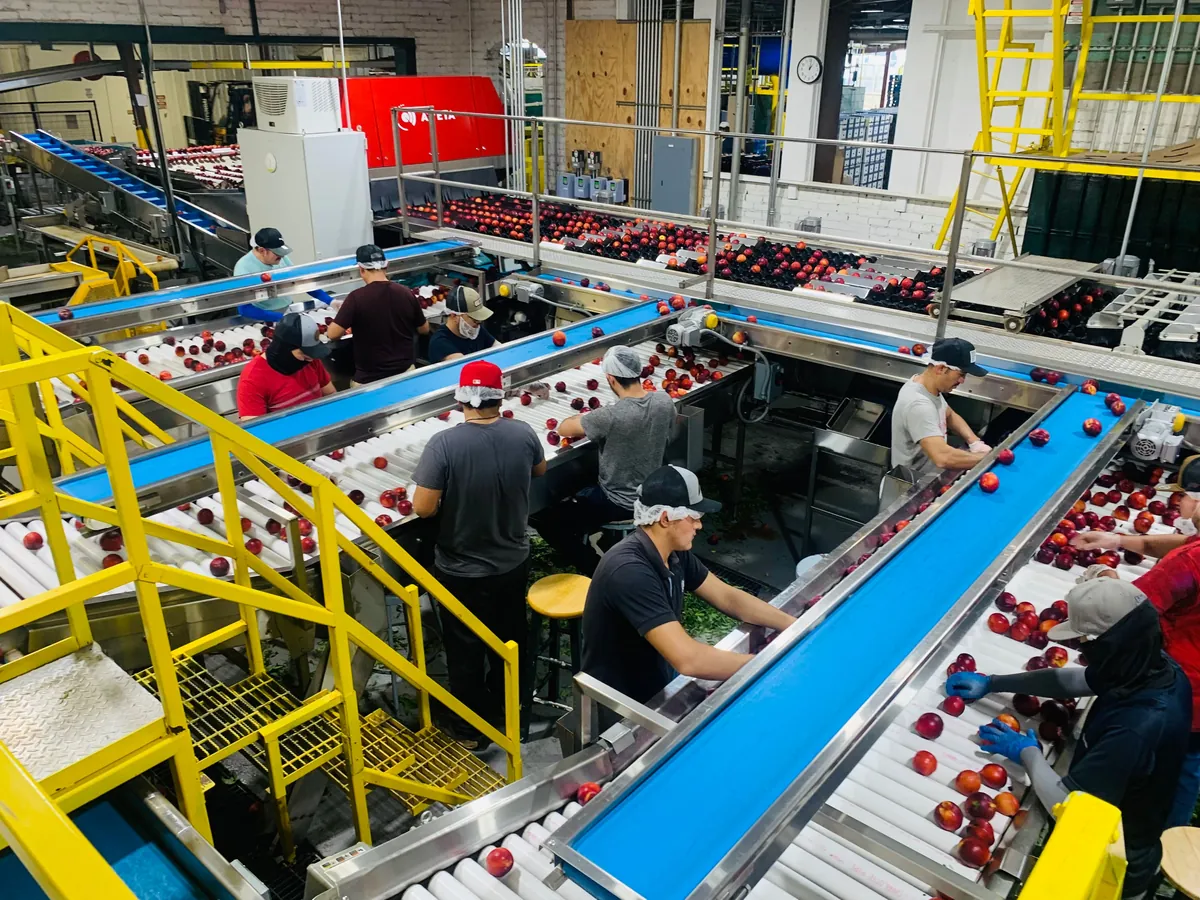
Apple Processing Plant at a Glance
| Typical capacity | ~5–200 TPD apples |
|---|---|
| Land | ~1–6 acres |
| Power load | ~100 kW–2 MW |
| Water | High |
| Manpower | ~20–120 |
| Indicative investment | ~₹2–80 crore |
Investment basis: excludes land.
Figures are indicative ranges. Your project report works them out for your capacity and location.
Market Demand for Apple Processing in India
Demand rests on steady juice consumption and the growing use of culled apples that would otherwise sell cheaply. Processing units sit close to the orchards, mainly around Shimla and Kullu in Himachal Pradesh and Sopore and Shopian in Jammu and Kashmir. Export potential is medium, so most new units plan domestic sales first and add overseas buyers later.
- Beverage brands buying concentrate or RTS juice
- Exporters registered for overseas shipments
- Retail chains selling packaged juice and vinegar
- Bakery and confectionery users of apple ingredients
Apple Processing Plant Products You Can Make
Most new units start with one or two lines and add others later. Concentrate suits buyers who supply beverage brands, while RTS juice and vinegar suit smaller units selling to retail. Dried chips, jam and pectin from pomace can extend the range once fruit supply is steady.
- Apple juice concentrate, RTS juice, apple cider vinegar, dried apple chips, jam, pectin from pomace
Apple Processing Plant Process Explained
Apples are washed and sorted, crushed, pressed and then clarified with enzymes before filtration. For concentrate, an evaporator removes water, and the product is pasteurised and filled aseptically. Vinegar follows a separate route of fermentation and acetification.
Quality is controlled at several points. Teams check Brix, acidity, patulin limits and microbial limits, and the product must meet FSSAI fruit product standards. Choosing between a seasonal, high-capex concentrate plant and a small juice and vinegar unit shapes the whole project.
- Washing and sorting
- Crushing
- Pressing
- Enzymatic clarification
- Filtration
- Evaporation (concentrate)
- Pasteurisation
- Aseptic filling; vinegar: fermentation and acetification
Raw Materials and Machinery for an Apple Processing Plant
The main input is culled and processing-grade apples, along with packaging. Fruit is sourced mainly from Himachal Pradesh, Jammu and Kashmir and Uttarakhand. Key machines include the press, decanter, ultrafiltration system, evaporator and aseptic filler, and your product mix decides which of these you actually need.
- Washer
- Mill
- Belt or pneumatic press
- Decanter
- Ultrafiltration
- Evaporator
- Pasteuriser
- Aseptic filler
Apple Processing Plant Licence and Approvals
Start with business registration, then secure consent to establish from the State Pollution Control Board before construction. An FSSAI licence is needed before sale, and consent to operate follows once the plant is ready. Food processing is Green below 10 KLD wastewater without a boiler, and Orange with a boiler or at 10 KLD and above.
- Legal Metrology registration for packaged goods
- APEDA RCMC if you plan exports
- No QCO applies to this project
| Pollution category | Food processing: Green below 10 KLD wastewater without boiler (CPCB S.No. 56.2); Orange with boiler or 10 KLD+ wastewater (56.1) |
|---|---|
| HSN code | 2009 71/79 (apple juice); 2209 (vinegar) |
| GST | Fruit juices: 5% under GST 2.0; vinegar and other products follow their own entries |
| BIS / quality control order | No QCO |
| FSSAI | FSSAI licence |
| Other licences | APEDA RCMC for exports; Legal Metrology |
Securing Apples for Your Processing Plant
Harvest runs from August to November, so fruit procurement in that window decides your year. Many units contract with growers and collection points in the Shimla, Kullu, Sopore and Shopian belts before the season opens. Concentrate and vinegar can be stored after processing, which lets you sell through the year even though fruit arrives in a short burst.
Making Money from Apple Pomace
Pomace, the pressed pulp left after juicing, is the main by-product and it can earn revenue instead of becoming waste. It can be processed into pectin or sold as feed. Planning this stream early also eases the disposal load on your plant, which matters when wastewater volumes are already high.
Government Schemes and Project Finance for Apple Processing
Schemes that may apply include PMKSY, the Mission for Integrated Development of Horticulture and PMFME, which covers apple ODOP districts. NPCS reports are used for bank loans and government programmes such as PMEGP, MSME schemes, Mudra and NABARD-linked projects, subject to each lender's requirements. A well-built report helps your application, but eligibility rests with the agency.
What Decides Success in an Apple Processing Plant
Good operators buy fruit well at harvest and store concentrate carefully. The main risks are a short season and competition from Chinese concentrate.
- Procure fruit early and at planned volumes
- Provide proper storage for concentrate
- Sell pomace to recover cost
- Price against imported concentrate
How NPCS Helps You Set Up an Apple Processing Plant
Our team supports the decisions that matter most: concentrate or small juice and vinegar unit, plant capacity, machinery selection and vendors. We also guide plant layout, approvals and the finance plan. Your apple processing plant project report is tailored to your capacity, budget and location, and our team supports installation and commissioning.
NPCS's published client list records 9 assignments on apple processing projects between 2012 and 2022 for clients in 5 states and 1 country, including bankable project reports, techno-economic feasibility studies and market research reports.
What Your Apple Processing Plant Project Report Covers
- Project introduction and BIS specifications
- Manufacturing process with flow sheet
- Market survey (demand, imports/exports, existing units)
- Personnel
- Plant and machinery with suppliers
- Land and building with layout
- Raw materials with sources and rates
- Financials (project cost, working capital, cost of production, profitability, break-even, 5–10 year cash flow, projected balance sheet, IRR/NPV/payback)
Apple Processing Plant: Frequently Asked Questions
How much does it cost to set up an apple processing plant?
Investment typically falls in an indicative range of ~₹2–80 crore, excluding land. A small juice and vinegar unit sits at the lower end, while a concentrate plant with an evaporator and aseptic filling costs far more. Your report fixes the figure for your capacity.
Which licences are needed for an apple processing plant?
You need an FSSAI licence, consent to establish and consent to operate from the State Pollution Control Board, and Legal Metrology registration. Exporters also need an APEDA RCMC. No QCO applies. The pollution category depends on wastewater volume and whether you use a boiler.
How much land and power does an apple processing plant need?
Plants typically need about 1–6 acres and a power load of about 100 kW–2 MW, depending on capacity. Water use is high, so a reliable supply matters. These are indicative figures, and your location and product mix will adjust them.
How do I start an apple processing plant business?
Begin by choosing your products and capacity, then confirm fruit supply from growers in the apple belt. Next, prepare a project report, secure approvals and finance, and order machinery. NPCS can guide you through each of these steps.
How can NPCS help with an apple processing plant?
NPCS prepares detailed and bankable project reports, feasibility studies and market research for apple processing. Our team also advises on technology, machinery, vendors, layout and approvals. Share your planned capacity and location, and we will outline the next steps.