
 Tata Steel
 JSW Steel
 Tata Metaliks
 Shyam Metalics and Energy
 KRIBHCO Infrastructure
 Sarda Metals & Alloys
 Shyam Steel
 Shyam Steel Industries
Solar module makers buy anodised aluminium frames, corner keys and mounting rails in large volumes, and that demand is why entrepreneurs look for an aluminium solar frame plant consultant. The plant extrudes, anodises and cuts frames to tight tolerances for module lines. As domestic module capacity grows, local frame supply becomes more attractive. NPCS has worked with industrial clients since 1994 and can help you test the numbers before you commit capital.
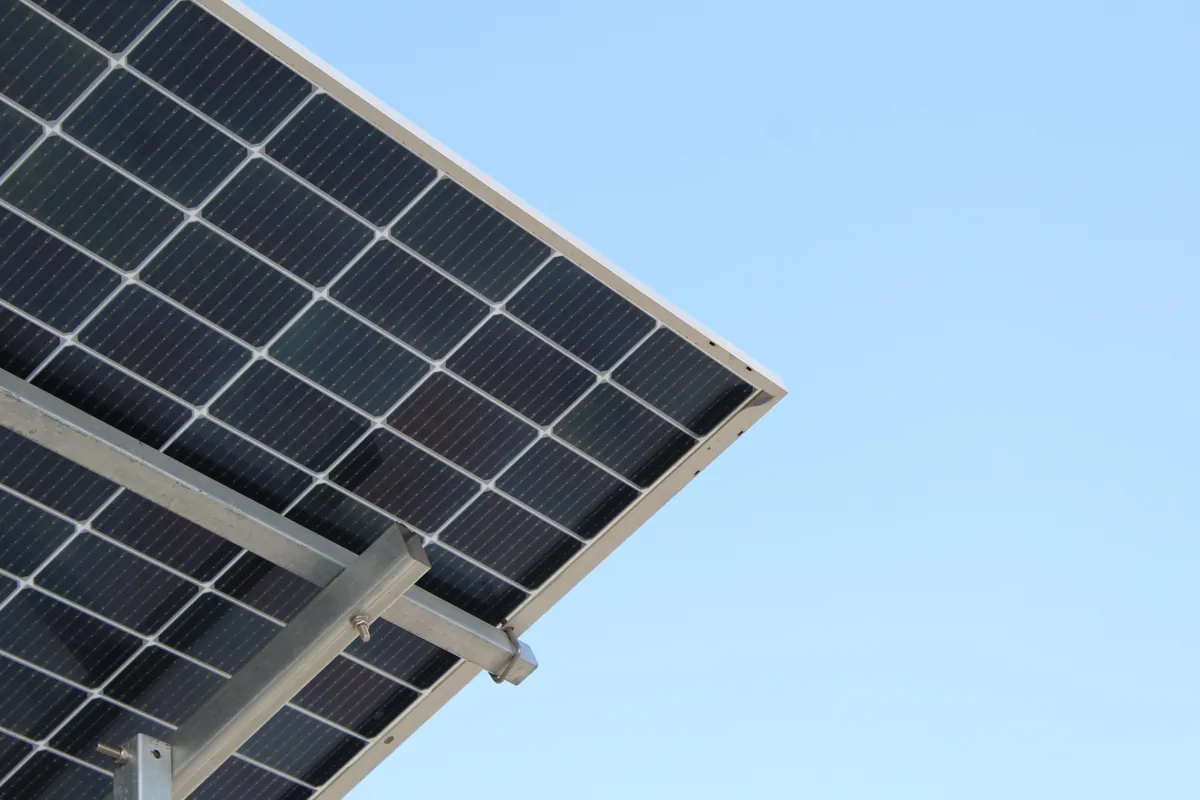
Aluminium Solar Frame Plant at a Glance
| Typical capacity | ~5,000–40,000 TPA |
|---|---|
| Land | ~3–10 acres |
| Power load | ~2–6 MW |
| Water | Moderate |
| Manpower | ~60–200 |
| Indicative investment | ~₹40–200 crore |
Investment basis: excludes land.
Figures are indicative ranges. Your project report works them out for your capacity and location.
Market Demand for Aluminium Solar Frames in India
Solar module manufacturers are the main buyers of aluminium solar frames in India. Demand follows domestic module capacity growth, so your order book depends on a small number of large customers. Gujarat, Tamil Nadu and Maharashtra are the clusters to watch for proximity to module plants. Export potential is medium, and seasonality is low.
- Module manufacturers buying anodised frames in volume
- Module makers under the PLI scheme and ALMM listing
- Buyers needing corner keys and mounting rails
- Export customers, though potential is medium
Aluminium Solar Frame Products You Can Make
Most plants start with anodised module frames in the profiles their anchor customer specifies. Corner keys and mounting rails are natural additions once the extrusion and finishing lines run steadily, and they let you sell a fuller set to the same module maker.
- Anodised module frames (various profiles), corner keys, mounting rails
Aluminium Solar Frame Manufacturing Process
The aluminium solar frame plant process turns heated billets into anodised, cut frames ready for module assembly. Billets are extruded, then stretched and aged to reach the required strength. Anodising adds the protective coating, and precision cutting and punching finishes each frame.
Quality control matters at three points: dimensional tolerance after extrusion, anodic coating thickness after anodising, and mechanical strength of the finished section. Module makers audit these closely. A further choice is whether to extrude in-house or buy extrusions and only finish them, which changes your investment sharply.
- Billet heating
- Extrusion
- Stretching
- Ageing
- Anodising
- Precision cutting and punching
- Packing
Raw Materials and Machinery for the Plant
Aluminium billets in 6063 or 6005 alloy are the main input, along with anodising chemicals. Billets are available from NALCO, Hindalco, Vedanta and remelters. The machines that decide quality and output are the extrusion press, the anodising line, the ageing oven and CNC cutting and punching equipment.
- Extrusion press
- Ageing oven
- Anodising line
- CNC cutting and punching
Licences and Approvals for an Aluminium Solar Frame Plant
Aluminium solar frame plant licence and approvals start with business registration, then consent to establish from the State Pollution Control Board before construction. Anodising is a Red category activity (CPCB S.No. 101.1), while extrusion alone is Orange. Aluminium products fall under BIS quality control orders. Consent to operate follows once the plant is built.
- Hazardous waste authorisation for anodising sludge
- BIS compliance for aluminium products
- Consent to operate before commercial production
| Pollution category | Anodising is Red (surface treatment, CPCB S.No. 101.1); extrusion alone is Orange |
|---|---|
| HSN code | 7604 or 7616 (by form) |
| GST | 18% |
| BIS / quality control order | Aluminium products under BIS quality control orders |
| Other licences | Hazardous waste authorisation |
Choosing Between In-House Extrusion and Finishing Only
You can extrude in-house or buy extrusions and run only the finishing steps. In-house extrusion needs a press, more power and a higher investment, but gives control over profiles and tolerances. A finishing-only unit needs less capital and avoids the extrusion Orange category, though anodising still brings Red category rules. It also leaves you dependent on your extrusion supplier.
Choosing the Right Plant Size
Capacity for this project typically runs from about 5,000 to 40,000 TPA, with investment of about ₹40–200 crore excluding land. Smaller units suit a single anchor customer and a narrow set of profiles. Larger plants need more land, power and manpower, and several module-maker approvals to keep the lines full. Your project report should size the plant to confirmed demand.
Government Schemes and Project Finance
Demand for this project is linked to module PLI and ALMM-listed module makers, which supports your sales case. For finance, NPCS reports are used for bank loans and government programmes such as PMEGP, MSME schemes, Mudra and NABARD-linked projects, subject to each lender's requirements. A bankable report sets out the costs and cash flow a lender will examine.
What Decides Success in an Aluminium Solar Frame Plant
Plants that succeed win module-maker approvals early and hold tolerances batch after batch. The main risk is competition from Chinese frame imports. Waste also needs planning, since scrap can be remelted but anodising sludge needs authorised handling.
- Secure module-maker approvals before full production
- Keep dimensional tolerances consistent
- Price against imported frames
- Plan disposal of anodising sludge
How NPCS Helps You Set Up an Aluminium Solar Frame Plant
NPCS supports the decisions that shape this project: capacity, extrusion versus finishing, machinery selection and vendor choice. Our team also helps with plant layout, approvals planning and the financial model a lender needs. We can guide installation and commissioning, and we keep your information strictly confidential.
NPCS's published client list records 36 assignments across metals and metallurgy projects between 2010 and 2026, for clients in 13 states and 5 countries.
What Your Aluminium Solar Frame Plant Project Report Covers
- Project introduction and BIS specifications
- Manufacturing process with flow sheet
- Market survey (demand, imports/exports, existing units)
- Personnel
- Plant and machinery with suppliers
- Land and building with layout
- Raw materials with sources and rates
- Financials (project cost, working capital, cost of production, profitability, break-even, 5–10 year cash flow, projected balance sheet, IRR/NPV/payback)
Aluminium Solar Frame Plant: Frequently Asked Questions
How much investment is needed to start an aluminium solar frame plant?
Indicative investment is about ₹40–200 crore, excluding land, depending on capacity and whether you extrude in-house. A finishing-only unit costs less. Your project report works out the figure for your capacity and location.
Which pollution category applies to an aluminium solar frame plant?
Anodising is Red category under CPCB S.No. 101.1, while extrusion alone is Orange. Your category depends on the process you choose. Consent to establish from the State Pollution Control Board is needed before construction.
How much land and power does an aluminium solar frame plant need?
Plants typically need about 3–10 acres and a power load of about 2–6 MW, depending on capacity. Water requirement is moderate. Exact figures vary with your technology route and output.
How do I start an aluminium solar frame plant business?
Start by confirming demand from module makers, then choose capacity and technology. Next, prepare a project report, secure land, apply for consent to establish, and finalise machinery and finance. Approvals from module makers should begin early.
How can NPCS help with an aluminium solar frame plant project report?
NPCS prepares a detailed project report covering process, machinery, raw materials, approvals and financials, tailored to your capacity and location. Our team can also assist with machinery selection, vendor choice and finance planning.