

Bestseller
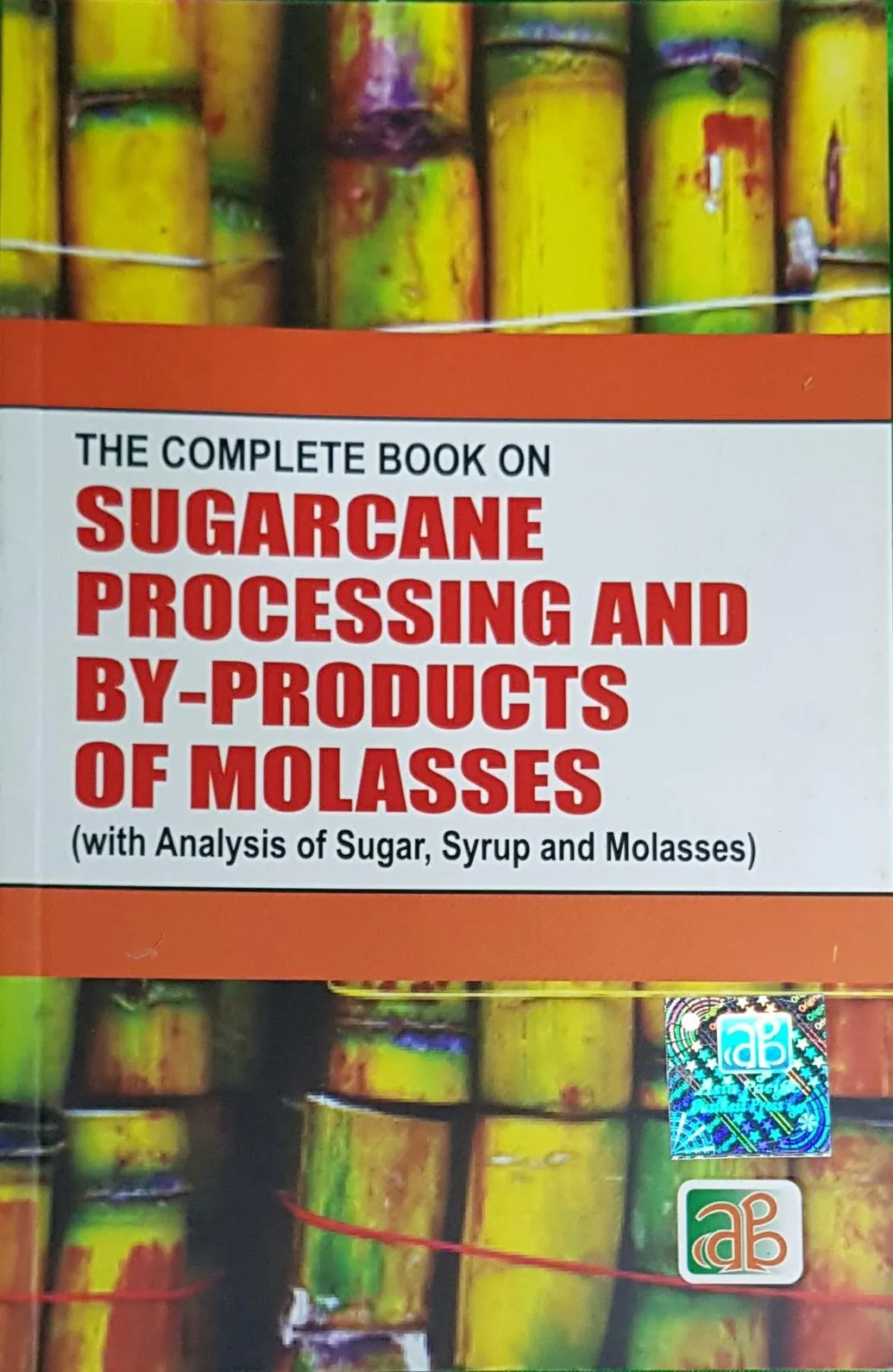
The Complete Book on Sugarcane Processing and By-Products of Molasses (with Analysis of Sugar, Syrup and Molasses)
Sugarcane Processing and Molasses By-Products
Covers sugarcane cultivation, gur (jaggery) making, sugar milling and refining, and the analysis of juice, syrup and molasses. It also explains the by-products made from molasses, pressmud and bagasse, helping sugar and allied units plan production.
₹1,675 US$44.95
Plus GST as applicable
- Paperback
- 544 pages
- In stock, ships in 5 working days
- ISBN
- 9788178331447
- Pages
- 544
- Author
- H. Panda
- Publisher
- Asia Pacific Business Press Inc.
- Language
- English
- Product code
- NI246
Who this book is for
- New entrepreneurs planning a sugar or jaggery unit
- Sugar mill technical staff
- Distillery and molasses-based product makers
- Agro-industry consultants
What's inside
- Sugarcane cultivation, tissue culture and juice composition
- Manufacture, grading and machinery for gur (jaggery)
- Cane milling, clarification, crystallisation and sugar boiling
- Refining and decolorisation of raw sugar
- Analysis of sugar, juice, syrup, massecuites and molasses
- Molasses by-products such as ethyl alcohol, ethyl acetate and acetic anhydride
- Uses of pressmud and bagasse
- Instrumentation and figures of sugar plant machinery
Table of contents
Show or hide the full contents
1. Sugar Cane
2. Improvement of Sugar Cane Cultivation
3. Manufacture of gur (Jaggery)
4. Grading of gur (Jaggery)
5. Nutritive Value of gur (Jaggery)
6. Machineries for the manufacture of gur (Jaggery)
7. Tissue Culture of Sugar Cane
8. Composition of Sugar Cane and Juice
9. Sucrose and reducing Sugars
10. Milling of Sugar Cane
11. Cane Sugar Refining: Decolorization with Absorbant
12. Keeping and Refining Qualities of Raw Sugar
13. Analysis of Sugar
14. Filtration/Clarifiation
15. Analysis of the Juice
16. Treatment of Mud Waters and Clarified Juice
17. Crystallization of Juice
18. Sugar boiling method
19. Exhaustibility of molasses
20. Colour of Sugar cane Juice
21. Analysis of the Syrup, Massecuites and Molasses
22. By Products of Molasses
(i) Ethyl Alcohol
(ii) Ethyl acetate
(iii) Acetic anhydride
(iv) By Product of alcohol
(v) Sugar Cane Pressmud: A Source of Physterols, Fatty
Alcohals, Fatty Acids and Hardware
(vi) Pressmud: A Source of Biogas, Steroiclal Drugs and
Biomenure
(vii) Sugar Alcohols
23. Bagasse and its Uses
24. Microprocessor based electronic instrumentation and
Contrul System for Modernisation of the Sugar Industry
25. Figures of Plant & Machinery of Sugar Industry
Need a detailed project report?
This book explains the technology. For a bank loan or an investment decision, NPCS also prepares project reports with plant cost, machinery and five-year financials.
About this book
Read the full description
Sugarcane grows in all tropical and subtropical countries. Sucrose as a commercial product is produced in many forms worldwide. Sugar was first manufactured from sugarcane in India, and its manufacture has spread from there throughout the world. The manufacture of sugar for human consumption has been characterized from time immemorial by the transformation of the collected juice of sugar bearing plants, after some kind of purification of the juice, to a concentrated solid or semi solid product that could be packed, kept in containers and which had a high degree of keep ability. The efficiency with which juice can be extracted from the cane is limited by the technology used. Sugarcane processing is focused on the production of cane sugar (sucrose) from sugarcane. The yield of sugar & Jaggery from sugar cane depends mostly on the quality of the cane and the efficiency of the extraction of juice. Other products of the processing include bagasse, molasses, and filter cake. Sugarcane is known to be a heavy consumer of synthetic fertilizers, irrigation water, micronutrients and organic carbon. Molasses is produced in two forms: inedible for humans (blackstrap) or as edible syrup. Blackstrap molasses is used primarily as an animal feed additive but also is used to produce ethanol, compressed yeast, citric acid, and rum. Edible molasses syrups are often blended with maple syrup, invert sugars, or corn syrup. Cleanliness is vital to the whole process of sugar manufacturing. The biological software is an important biotechnical input in sugarcane cultivation. The use of these products will encourage organic farming and sustainable agriculture.
The book comprehensively deals with the manufacture of sugar from sugarcane and its by-products (Ethyl Alcohol, Ethyl Acetate, Acetic Anhydride, By Product of Alcohol, Press mud and Sugar Alcohols), together with the description of machinery, analysis of sugar syrup, molasses and many more. Some of the fundamentals of the book are improvement of sugar cane cultivation, manufacture of Gur (Jaggery), cane sugar refining: decolourization with absorbent, crystallization of juice, exhaustibility of molasses, colour of sugar cane juice, analysis of the syrup, massecuites and molasses bagasse and its uses, microprocessor based electronic instrumentation and control system for modernisation of the sugar industry, etc.
Research scholars, professional students, scientists, new entrepreneurs, sugar technologists and present manufacturers will find valuable educational material and wider knowledge of the subject in this book. Comprehensive in scope, the book provides solutions that are directly applicable to the manufacturing technology of sugar from sugarcane plant.
Questions about this book
Is this a printed book or a PDF?
This is a paperback edition, shipped within 5 working days of payment. The free sample PDF on this page shows the contents and introduction.
Can I order from outside India?
Yes. Buyers outside India pay the US$ price shown. WhatsApp or email us for the delivery time to your country.
Can colleges, libraries or companies order in bulk?
Yes. Write to npcs.india@gmail.com or WhatsApp us with the titles and quantities for a quote.
How do I pay?
Add the book to the cart and pay online, or WhatsApp us to order and pay by bank transfer.
Related books
India Packaged Fruit Juices Market Report
₹35,400 US$750 Bestseller
India Beer Market Report
₹54,280 US$1,200 Bestseller
Wine Production Handbook
₹2,275 US$60.95 Bestseller
Industrial Alcohol Technology Handbook
₹1,675 US$44.95 New