

Bestseller
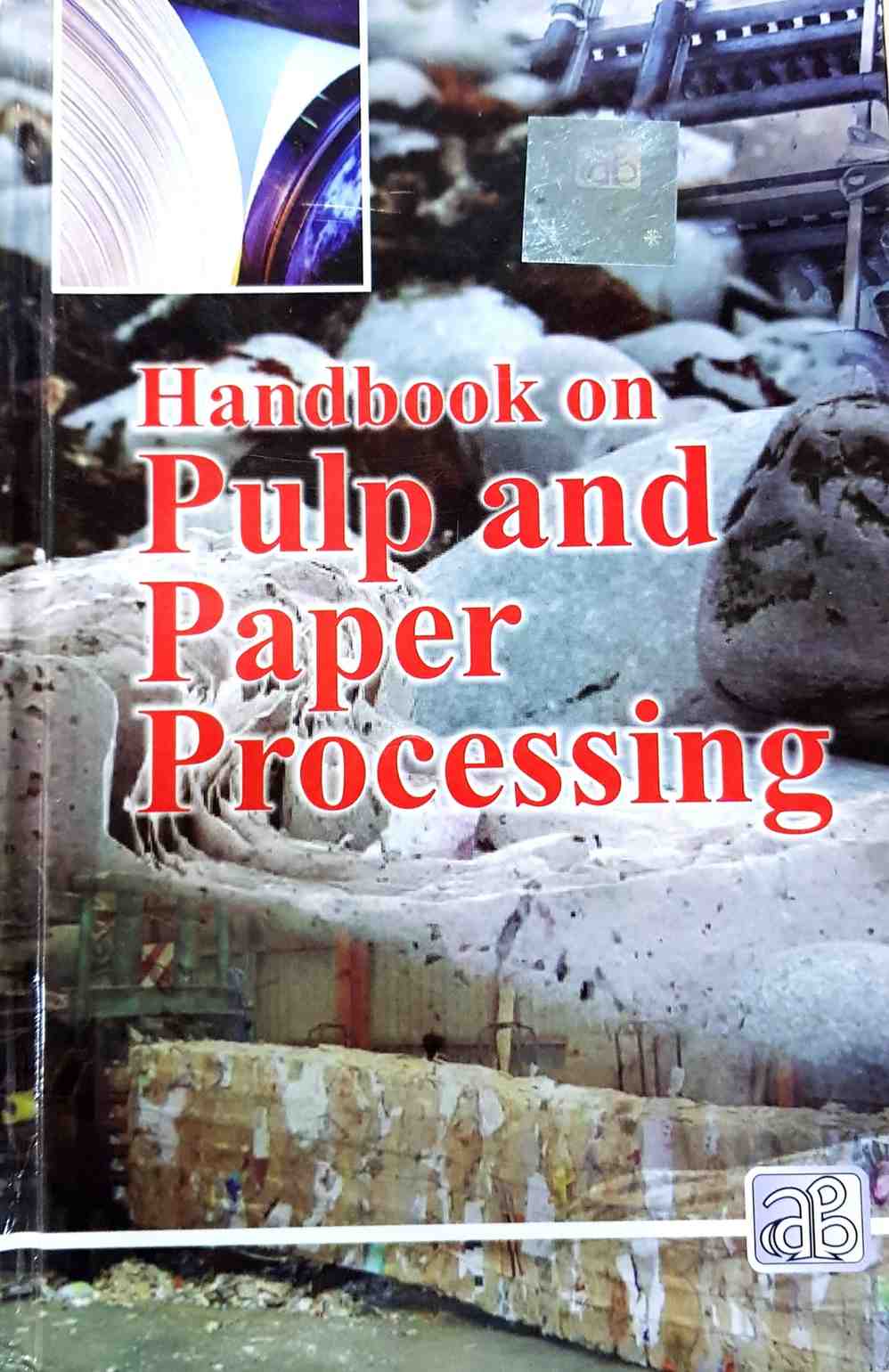
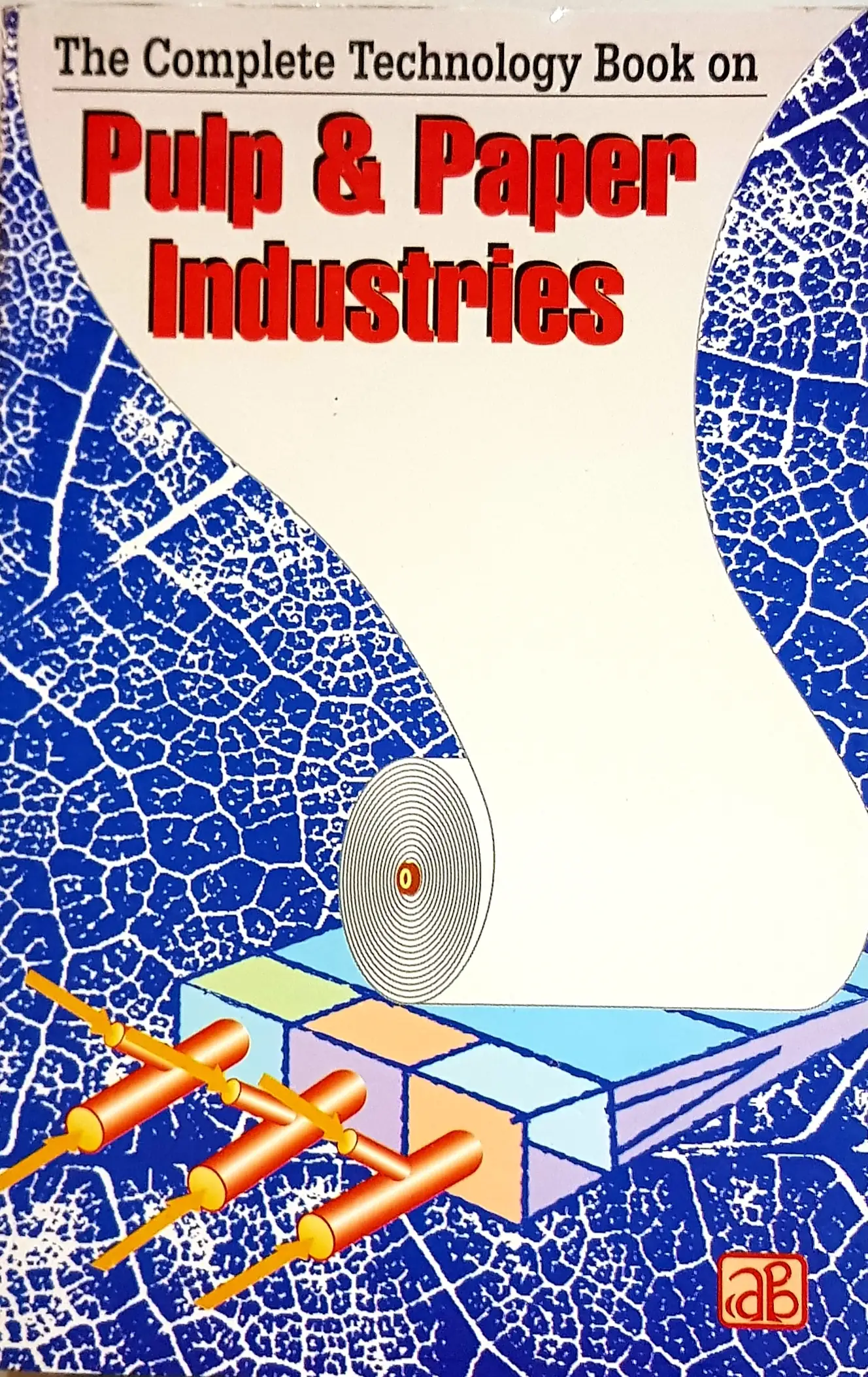
The Complete Technology Book on Pulp & Paper Industries
The Complete Technology Book on Pulp and Paper Industries
This book covers pulping, bleaching, coating, testing and recycling in the pulp and paper industry, including papermaking from non-conventional raw materials. It helps entrepreneurs and technologists set up or upgrade pulp and paper production.
₹1,100 US$29.73
Plus GST as applicable
- Paperback
- 602 pages
- In stock, ships in 5 working days
- ISBN
- 8178330431
- Pages
- 602
- Author
- NIIR Board of Consultants and Engineers
- Publisher
- Asia Pacific Business Press Inc.
- Language
- English
- Product code
- NI105
Who this book is for
- Entrepreneurs planning a pulp or paper mill
- Paper technologists and mill engineers
- Waste paper recyclers
- Consultants
What's inside
- 37 chapters on pulp and paper technology
- Chemicals and additives in papermaking
- Coating equipment and coated papers
- Sulfite pulping and continuous digesters
- Recycling of waste paper by flotation deinking
- Papers from rice straw, jute, kenaf and arecanut husk
- Paper testing and ageing of paper
- Suppliers of machinery, chemicals and raw materials
Table of contents
Show or hide the full contents
1. Bio-Refiner Mechanical Pulping of Bast Type Fibers.
2. Use of trichromatic Colourimetery for measurement of brightness and yellowness of bleached pulps
3. Finishing and converting
4. Coating Equipment
5. Chemical and Additives in Papermaking
6. Mixed Pulping of Jute-Stick and other Agricultural Residues
7. Continuous Digester
8. Coated Papers
9. Sulfite Pulping
10. Paper Machine-Head Boxes And Inlets
11. Paper Testing
12. Writing and printing papers from rice straw
13. Aging of Paper
14. Cylinder Paper Machines
15. Effective Utilisation of Optical Whitening Agents
16. Recycling of Waste Paper
17. Kenaf - a substituent for conventional fibrous raw materials
18. Recycling of Waste paper By Flotation Deinking Technology
19. Chemical pulp from Corchorus (jute)
20. Paper Making Potentiality of arecanut husk
21. Pulp from Boswellia serrate (salai chips)
22. Paper and Paper boards from Sikkimensis Grass (Cymbopogon Flexuosus)
23. Pulping of Tropical Pines for Warapping, Writing and Printing Papers
24. Paper and Paper boards from Sikkimensis Grass (Cymbopogon Flexuosus)
25. Paper and Paper boards from Sikkimensis Grass (Cymbopogon Flexuosus)
26. Jute root cutting as raw material for more paper
27. Rosin Size in Paper Industry
28. In-plane Hygroexpansivity of Postage Stamp Papers
29. Bleaching of Rice Straw Pulp
30. Paper Making Fibres
31. Effect of Delignification Conditions on S/V Ratio (of Eucalyptus Grandis Lignin)
32. Manufacturers, Suppliers of Plant & Machinery and Allied Products
33. Manufacturers and Suppliers of Raw Materials
34. Imported Pulp Manufacturers & Suppliers Imported Pulp
35. Indian Agents for Imported Pulp
36. Addresses of Machinery Suppliers
37. Suppliers of Chemicals
Need a detailed project report?
This book explains the technology. For a bank loan or an investment decision, NPCS also prepares project reports with plant cost, machinery and five-year financials.
About this book
Read the full description
The pulp and paper industry continues to expand at a phenomenal rate and it has an important role to play on the Indian economy. This imposes a difficult problem of selection. Since the amount of material that can be included in a single volume is obviously limited. Careful thought has been given to the selection with the purpose of presenting that material which will be of the greatest interest to the greatest numbers. Paper is one of the major components of urban solid waste (household and commercial waste) and has a potential resource value when collected and reused. Recycling of the waste paper has been a practice that has prevailed in the paper industry since its inception and therefore continues. The preservation of forests and increasing environmental awareness has focussed research on exploration of new fibrous resources and less toxic pulping and bleaching processes. The use of non woody already account for 9.1% of total world papermaking capacity. A variety of non woody plant fibres are used for papermaking. Paper converting refers to the processing of raw paper to produce improved grade of paper or a finished paper article. There are two types of paper converting; wet converting and dry converting. The Indian paper industry has close linkages with economic growth as higher industrial output leads to increased demand for industrial paper for packaging, increased marketing spend benefits the newsprint and value added segments, and increased education and office activities increase demand for writing and printing paper. It is estimated that there is an economic growth of 8.5% for India which will benefit the demand for paper.
This book basically comprises of bio refiner mechanical pulping of bast type fibres, use of trichromatic colourimetery for measurement of brightness and yellowness of bleached pulps, finishing and converting, coating equipment, chemical and additives in papermaking, mixed pulping of jute stick and other agricultural residues etc. This book also comprises of the list of manufacturers, suppliers of plant & machinery and allied products, list of manufacturers and suppliers of raw materials, imported pulp manufacturers & suppliers imported pulp, Indian agents for imported pulp etc.
This informative book will be helpful for paper technologist, paper chemists and scientists related to paper field.
Questions about this book
Is this a printed book or a PDF?
This is a paperback edition, shipped within 5 working days of payment. The free sample PDF on this page shows the contents and introduction.
Can I order from outside India?
Yes. Buyers outside India pay the US$ price shown. WhatsApp or email us for the delivery time to your country.
Can colleges, libraries or companies order in bulk?
Yes. Write to npcs.india@gmail.com or WhatsApp us with the titles and quantities for a quote.
How do I pay?
Add the book to the cart and pay online, or WhatsApp us to order and pay by bank transfer.
Related books
 Bestseller