
Red oxide primer is an anti-corrosive base coat that forms the first layer of protection on steel and iron surfaces. It typically includes red iron oxide pigment, synthetic resins, solvents, and additives. The red color comes from iron oxide, which also provides anti-rust properties. By forming a protective barrier, red oxide primer prevents oxidation and extends the life of metal surfaces. It also ensures better adhesion for the following paint layers, making it a vital part of surface finishing processes.
Entrepreneurs entering this field can serve a diverse customer base, including heavy industries, infrastructure projects, automotive workshops, and small-scale fabricators. Its versatility and cost-effectiveness maintain consistent demand in both domestic and international markets.
Detailed project report
Market Demand and Growth Potential
The global coatings industry is worth over 150 billion dollars and has seen steady growth, with primers making up a significant portion. Red oxide primer is highly sought after for its effectiveness in protecting metals. The rapid growth of construction, infrastructure, and automotive industries drives increasing demand for red oxide primer.
In India, the market for primers and industrial paints is expanding at a compound annual growth rate of nearly seven percent. The government’s focus on infrastructure development, including roads, bridges, and industrial corridors, boosts consumption. Small-scale fabricators and local industries also make up a large customer base. The growing emphasis on exports and global manufacturing partnerships creates additional opportunities for Indian producers to supply red oxide primers internationally.
To explore more, check our books
Applications of Red Oxide Primer
Red oxide primer is used in various industries. In construction, it protects structural steel, pipelines, and equipment. In the automotive sector, it serves as a base coat for vehicles, ensuring durability and corrosion resistance. Shipbuilding industries rely on it to safeguard hulls and metal structures exposed to marine environments. Small workshops and household projects also use it, as fabricators and painters prefer it for general applications.
This broad range of uses creates sustained and diverse demand for red oxide primer manufacturing. Entrepreneurs can tap into multiple sectors, reducing reliance on any one industry.
Manufacturing Process of Red Oxide Primer
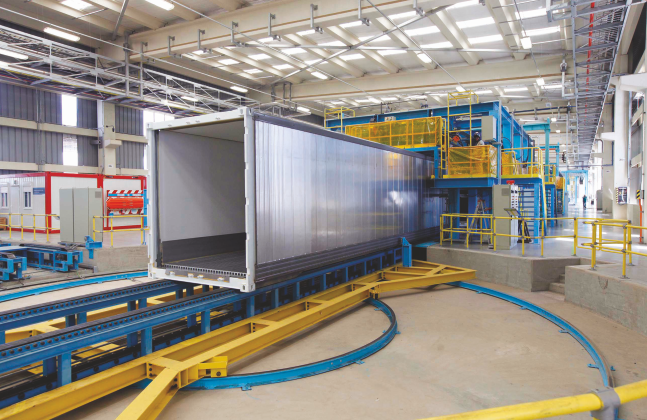
The production of red oxide primer follows a structured process. It begins with sourcing raw materials such as red iron oxide pigment, alkyd resins, solvents like mineral turpentine oil, and various additives. These materials are blended in specific proportions for the desired formulation.
The process involves mixing the resin and solvent, then gradually adding pigment while stirring under controlled conditions. Dispersers and ball mills ensure even mixing and fine particle dispersion. Additives improve properties like drying time, adhesion, and corrosion resistance. Once the mixture reaches the right consistency and quality, it is filtered to remove impurities. The finished primer is packed in sealed containers to maintain its stability and quality until it reaches consumers.
Strict quality checks are conducted throughout production, testing properties like viscosity, drying time, coverage, and adhesion. This ensures the primer meets industry standards and performs consistently in various applications.
Growth Drivers in the Sector

Several factors contribute to the rising demand for red oxide primer. The continuous growth of the construction industry, which requires anti-corrosive coatings for steel structures, is a primary factor. The automotive industry, both in manufacturing and repair, consumes a large volume of primer. Industrial growth and the establishment of new plants also increase demand since protective coatings are essential for equipment and structures.
Government initiatives promoting infrastructure, such as highways, smart cities, and industrial parks, further drive the sector. Additionally, rising awareness about preventive maintenance among industries ensures that anti-corrosive primers remain in high demand.
Related articles:- A Startup’s Guide to the Coatings Industry for A Profitable Future
Opportunities for Entrepreneurs
The red oxide primer industry offers many opportunities for entrepreneurs. New entrants can focus on producing cost-effective primers for local markets or develop premium formulations for specialized uses like marine environments. Export markets also present significant potential, especially in developing countries where infrastructure development is increasing.
Entrepreneurs might also explore niche products, such as water-based red oxide primers, as they gain popularity due to environmental regulations and demand for eco-friendly options. By offering sustainable products, startups can stand out in a competitive market.
Challenges in Red Oxide Primer Manufacturing
Despite the promising outlook, entrepreneurs should be aware of the challenges. Ensuring consistent quality is crucial, as poor formulations can harm reputation and customer trust. The fluctuation of raw material prices, particularly resins and solvents, can affect profitability. Competition from established brands is also a concern, requiring new entrants to prioritize branding, innovation, and customer service.
Environmental issues are another important factor. Traditional primers often rely on solvent-based systems that emit volatile organic compounds. As regulations become stricter, entrepreneurs must invest in cleaner, sustainable technologies to remain competitive.
Role of Technology and Innovation
Technology has changed the coatings industry, including primer production. Automated mixing and dispersion equipment increase efficiency and product consistency. Advanced formulations with eco-friendly binders and pigments help manufacturers meet environmental regulations. Digital tools for quality monitoring and supply chain management boost productivity and minimize waste.
Entrepreneurs who adopt innovative practices, such as low-VOC formulations, automated production lines, and smart packaging solutions, will be better equipped to meet future industry demands.
Support from Niir Project Consultancy Services
For entrepreneurs looking to enter the red oxide primer market, expert guidance is essential. Niir Project Consultancy Services (NPCS) provides market surveys and detailed feasibility reports covering manufacturing processes, raw materials, plant layouts, and financials. These reports assist entrepreneurs in evaluating the feasibility of setting up manufacturing units and support informed decision-making.
Future Outlook
The red oxide primer industry is poised for continued growth as infrastructure and manufacturing sectors expand worldwide. In India, initiatives like Make in India and smart city development will further drive demand. Internationally, the move towards sustainable coatings will create new opportunities for eco-friendly primer manufacturers.
Entrepreneurs who prioritize innovation, compliance, and quality will not only capture market share but also contribute to the industry’s long-term sustainability.
Conclusion
Producing red oxide primer is a lucrative business opportunity and a vital contribution to industries that rely on metal protection. With steady demand from construction, automotive, and manufacturing sectors, entrepreneurs can confidently explore this market. By implementing sustainable practices, maintaining high-quality standards, and seeking expert advice, startups can establish robust businesses in the coatings industry. Red oxide primer will continue to play an essential role in extending the life of industrial assets and supporting global infrastructure development.
Discover the best business ideas for yourself using our startup selector tools
Frequently Asked Questions
What is red oxide primer primarily used for?
Red oxide primer is used as a base coat on ferrous metals (those containing iron) to protect them from rust and corrosion. It creates a stable, anti-corrosive layer that enhances the adhesion of a subsequent topcoat.
What are the key raw materials needed to produce red oxide primer?
The primary raw materials include red iron oxide pigment, a binding agent like alkyd resin, solvents such as mineral turpentine oil (MTO), and various additives and fillers to control properties like drying time and thickness.
What is the manufacturing process for red oxide primer?
The process involves several steps:
- Pigment Dispersion: Mixing the red iron oxide pigment with solvents and dispersing agents.
- Resin Addition: Adding the resin or binder to form the base.
- Additive and Filler Integration: Blending in driers, anti-skinning agents, and fillers.
- Filtration and Quality Testing: Filtering the final mixture to remove coarse particles and testing it for viscosity, drying time, and adhesion.
- Packaging: Filling the finished primer into containers.
What equipment is necessary for production?
Essential machinery includes a high-speed disperser or bead mill for mixing, mixing kettles, filtration units, and weighing scales. A quality control lab is also required for testing the final product.
What are the main safety precautions when working with red oxide primer?
Due to its flammable nature, red oxide primer should not be used near ignition sources. It’s also important to ensure proper ventilation and wear personal protective equipment (PPE) as it involves handling chemicals and solvents.