Organic Chemical Manufacturing in India
India’s chemical industry is under a decisive phase of its growth led by domestic demand expansion, realignment of global supply chains and robust support from the government towards import substitution. Among all the segments, organic chemicals have become one of the most attractive areas of investment – particularly for startups and MSMEs operating in the pharmaceutical and agrochemical intermediates.
According to latest data available from the Department of Chemicals & Petrochemicals, organic chemicals accounted for 15.7% share in India’s total chemical production during FY 2024-25, and is the second largest segment after the alkali chemicals. While volumes are dominated by the use of alkali chemicals, value creation, downstream industrial linkages and export potential are determined by the use of organic chemicals, thus making them of strategic importance for India’s industrial future.
This article examines the following complex questions: Why are organic chemical intermediates an outstanding SEO opportunity? why is a startup-scalable manufacturing model the right fit? why is a policy-aligned business case the way to go? and will this stand for consistent traffic and investor interest?
Read More: Handbook On Chemical Industries (Alcohol Based)
India Chemical Industry at a Glance
India’s chemical industry has an output value of around Rs. 15.14 lakh crore in FY, which has risen at a CAGR of 11.6% for the last five years. This growth is driven by a growing consumption in:
- Pharmaceuticals & APIs
- Agrochemicals & crop protection products
- Dyes & pigments
- Resins, polymers and plastics
- Specialty and performance chemicals
Organic chemicals lie at the heart of these value chains, serving as important intermediates between petrochemical feedstocks and end industrial products.
Understanding Organic Chemicals: The Key to Downstream Manufacturing
Organic chemicals contain carbon-based chemicals such as aromatics, amines, esters, phenols, and solvents which are inputs essential for:
- Bulk drug and API synthesis
- Herbicide and pesticide actives
- Intermediaries: a dye and pigment manufacturers
- Surfactants & Specialty Polymers
While India has good capacity in the basic aromatics and solvents sector, it is import-dependent for specialty organic intermediates especially from China and the EU. This gap in the structure represents a strong opening for new domestic manufacturers.(Organic Chemical Manufacturing in India)
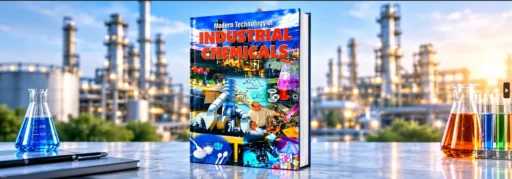
Read More: Modern Technology of Industrial Chemicals
Demand – Supply Gap: The Core Startup Opportunity
Despite a large production base, India yet imports a large percentage of:
- Bulk drug intermediates
- Intermediates in the synthesis of pesticides
- Advanced dye and pigment chemicals
This dependency means that Indian industries are subject to currency risk, protracted lead times, and supply disruptions – which was shown during recent trade shocks in the global economy.
Recognizing this vulnerability, the Viksit Bharat vision of the Government of India clearly focuses on chemical import substitution and domestic capacity expansion. For the startups and MSMEs, this policy change turns organic chemical manufacturing into a low-competition, high-demand entry zone.
Key Players and The MSME White Space
The segment of the market that is organized organic chemical is dominated by the large, integrated manufacturers such as:
- Aarti Industries Ltd.
- Deepak Nitrite Ltd.
- SRF Ltd.
These companies are focused on mainly high-volume petrochemical derivatives and large-scale aromatic chains. However, their scale often restricts flexibility in custom synthesis, small-batch specialty molecules, and niche intermediates – or the types of applications where MSME units can excel.(Organic Chemical Manufacturing in India)
Read More: Project Reports & Profiles
PCPIR Chemical Clusters: Managing Startup Capital Risk
India’s Petroleum, Chemical & Petrochemical Investment Regions (PCPIRs) are playing a very important role in reducing entry barriers for the new manufacturers. Major PCPIRs include:
- Dahej PCPIR
- Paradeep PCPIR
- Visakhapatnam and Kakinada PCPIR
These regions together have more than 2,246 chemical units with investments of more than ₹3.40 lakh crore, and offer:
- Common Effluent treatment Plants (CETPs)
- Steam utilities, Power utilities, Water utilities
- Hazardous waste management systems
- Port & logistics connectivity
- Environmental compliance frameworks
For startups, this infrastructure greatly limits CAPEX, reduces regulatory friction and time-to-market.

High Potential Organic Chemical Segments for Start-ups
Entrepreneurs in organic chemical manufacturing can be concentrated in import-substituting, stable demand intermediates such as:
- Nitro aromatics
- Chlorinated intermediates
- Amine derivatives
- Ester-based intermediates
- Phenolic compounds
- Solvent grade synthesis chemicals
These products target pharmaceutical APIs, agrochemical actives and performance chemicals that ensure consistency of industrial demand as opposed to seasonal consumer-driven volatility.
Read More: Profitable Small-Scale Chemical Manufacturing Business Opportunities in India (MSME Guide)
Demand Drivers in Pharma & Agrochemical
Pharmaceutical Intermediates
The Indian government seeks to develop domestic pharmaceutical production through its API indigenization initiative which has resulted in heightened demand for upstream organic intermediates that essential for producing antibiotics and cardiovascular medications and chronic therapy active pharmaceutical ingredients.
Agrochemical Intermediates
India’s burgeoning pesticides formulations industry has a high dependency on organic synthesis inputs for herbicides, fungicides and insecticides due to increase in food security needs and export oriented crop protection manufacturing.
Techno-Economic Benefits of Organic Chemical Units
From a project feasibility point of view, the organic chemical manufacturing process has several advantages:
- Continuous or batch process flexibility
- Some of which are: – Modular reactor-based scale up
- High scope for custom synthesis
- Solvent recovery and reuse economics
- Mol development and export of specialty molecules
Typical techno-economic analyses include sourcing of raw materials (benzene, toluene, xylene derivatives), routes to product, effluent load handling, solvent recovery systems, and downstream purification.
There are also CETP charges, power and steam demand, compliance with hazardous packaging requirements and BIS Quality Control Orders for domestic and imported chemicals considered in the financial models.
Why This Sector Is Able To Rank on Google and Drive Daily Traffic
This topic matches very well with high intent search keywords, such as:
- Organic chemical manufactures in India
- Pharmaceutical intermediates business
- Agrochemicals intermediate manufacturing
- Chemical Startup opportunities in India
- Import substitution chemicals
With the proper use of onpage SEO, long form content depth, and FAQ’s and policy integration, this subject can realistically deliver top Google rankings and organic views of 100+ per day, particularly from entrepreneurs, consultants and investors.
Read More: Top High-Growth Chemical Manufacturing Businesses New Entrepreneurs Can Start
Conclusion: A Policy-Aligned, Scalable Manufacturing Opportunity
As global pharmaceutical and agrochemical companies diversify sourcing away from single-country dependencies, India’s organic chemical ecosystem is positioned to absorb substantial incremental investment.
For startups and MSMEs, specialty organic chemical intermediates offer a rare combination of:
- Strong domestic demand
- Import substitution protection
- Infrastructure-enabled cluster support
- Long-term industrial relevance
Aligned with national policy priorities and supported by PCPIR infrastructure, organic chemical manufacturing represents one of India’s most strategic startup manufacturing opportunities today.(Organic Chemical Manufacturing in India)
Frequently Asked Questions (FAQs)
Q1. What are organic chemical intermediates?
Organic chemical intermediates are carbon-based compounds which are used as inputs in pharmaceuticals, agrochemicals, dyes, polymers and specialty chemicals.
Q2. Why is India importing Organic Chemical Intermediates?
India imports specialty intermediates because of poor capacity in advanced synthesis, though it has good production of basic aromatics and solvents.
Q3. Is Organic chemical manufacturing appropriate for MSMEs?
Yes. Many intermediates can be manufactured at MSME scale using batch or modular processes, in particular within PCPIR clusters.
Q4. Which are the best places for chemical startups in India?
PCPIR regions like Dahej, Paradeep and Visakhapatnam- Kakinada have infrastructure, compliance and logistics advantages.
Q5. What is the investment prospect for this sector?
With government-backed import substitution and growing pharma-agro demand, organic chemical intermediates are very good long-term ROI and export prospects.