
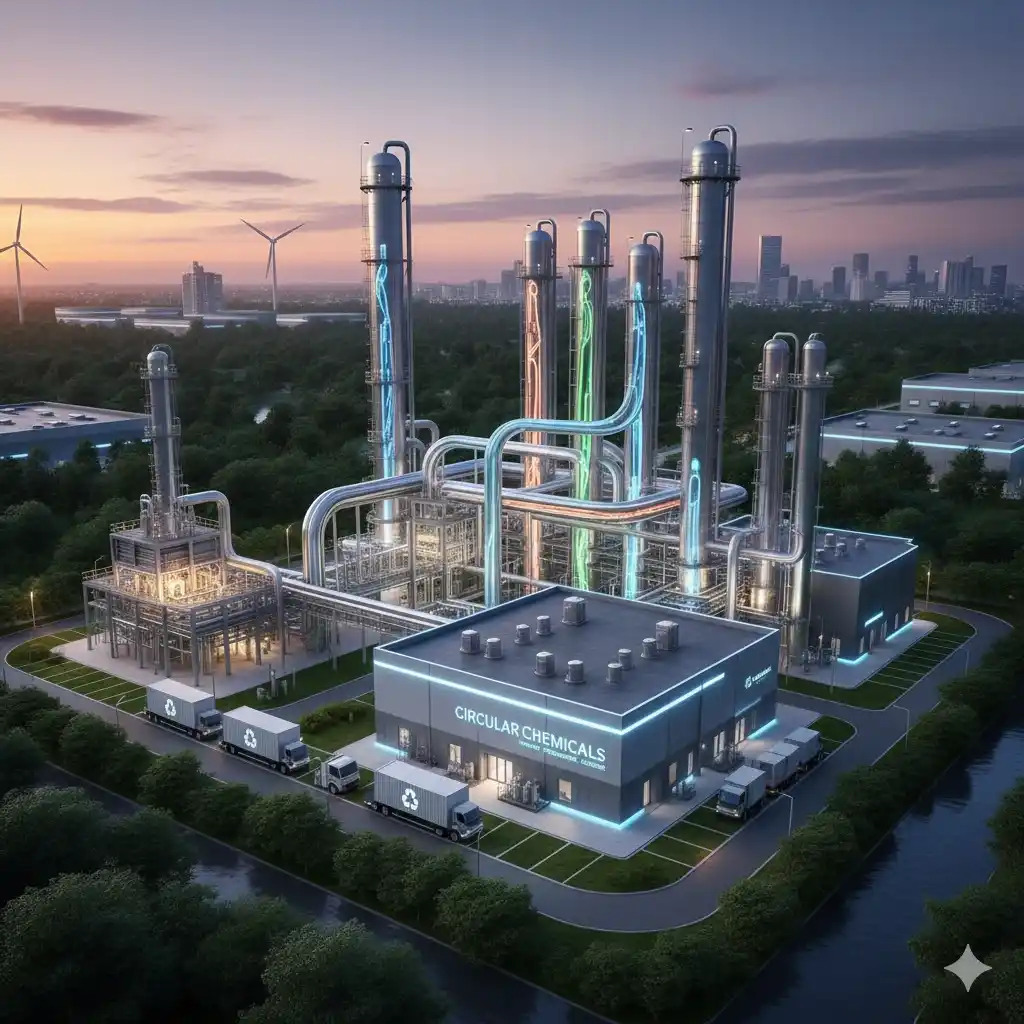

Importance of Chemical Recycling
This is the major factor as to why the limitations of traditional recycling exist in chemical recycling.
Mechanical recycling cannot process resins, especially if many are highly contaminated or packed with reusable or recyclable substances, as most would still end up in a landfill or get incinerated-large contributors to pollution in terms of wasted products. Chemical recycling will do its part and transform into valuable products.
That kind of like giving really old junk a second chance for life, and guess what? It sure helps dramatically reduce those darn greenhouse gases. Companies are now reusing materials already out there instead of producing everything from scratch.
It saves alot on energy too, it is basically making sure everything stays in the loop, like one big recycling party that nothing is wasted. It lets businesses hit their green targets, help save the planet as a whole, and possibly even put some money back in their pockets. What a pretty sweet deal, if you ask me!
Read More: How to Start an EV Station Franchise: A Complete Guide for Entrepreneurs
Understanding Solvent Recovery
Solvent recovery is a practical process to industries for reusing valuable resources. In simple terms, solvents are liquids that get used either in dissolving or extracting some substances.
Several sectors use solvents-e.g., pharmaceutical, paints and coatings, chemicals, and something more. Solvents are usually expensive and worsen as they get utilized, which usually leads to adverse environmental effects.
Solvent recovery systems are meant to be used for capturing the spent or used solvents and purifying them for re-use. Methods of purifying solvent include filtration, distillation, and evaporation.
It reduces hazardous waste disposal costs and the new solvents requirement. It also reduces environmental risks associated with solvent production and disposal by reusing solvents.
Solvent Recovery Services: Advantages
Solvent recovery has much more to benefit to a greater number of businesses and environments, among many others.
- Savings on cost: After all the reclaimed solvent has been used, the company no longer needs to buy new solvents.
- Less Waste Reduction: Recovery is responsible for reducing the amounts of waste sent to landfills and incinerators.
- Environmental Protection: Conservation of natural resources reduces pollution caused by solvent reuse.
- Compliance: Almost every country has good environmental laws, and solvent recovery can help industries comply with these.
- Sustainable Improvement: Recovery Programs become eco-friendly practices. It improves reputation for the business.
How these services really work together
This is true typically of solvent recovery services that also refer to chemical recycling, because most industries in which both waste streams are produced are able to avail of this service. Another aspect of the total waste control system that companies can offer.
For example, a pharmaceuticals company can recycle its chemical wastes and then recover solvents used during the manufacturing process. It’s additionally saving money while creating a safer and cleaner working environment.
You save the company such money without unnecessary effort in cleaning, as it will have to rely less on those chemicals. No more mess makes it easier for companies to spend money cleaning up but reaches their target more quickly. Honestly, it’s a no-brainer.
Read More: Starting a Chemical Packaging Plant for Drums and Carboys
Industries Most Favored
One of the chemicals recycling and solvent recovery is and does the part of being environmentally friendly and the battle competency.
- Drugs: Production of drugs involves complex chemicals and solvents. Use of recovery services facilitates wastage and cost reductions.
- Paints & Coatings: Recovery of solvents by paints and coatings companies and reuse. There is also reduction in hazardous waste generated.
- Petrochemical Industry: Petrochemical plants crank out loads of chemical wastage. They very much need to recycle to sustain themselves.
- Electronics Manufacturing: Recovery turns much of the material manufactured into raw materials again.
- Plastic Manufacturing: Chemical recycling is used by plastic makers to break waste plastics back down. They then turn that junk into fresh raw materials.
Technology Behind the Services
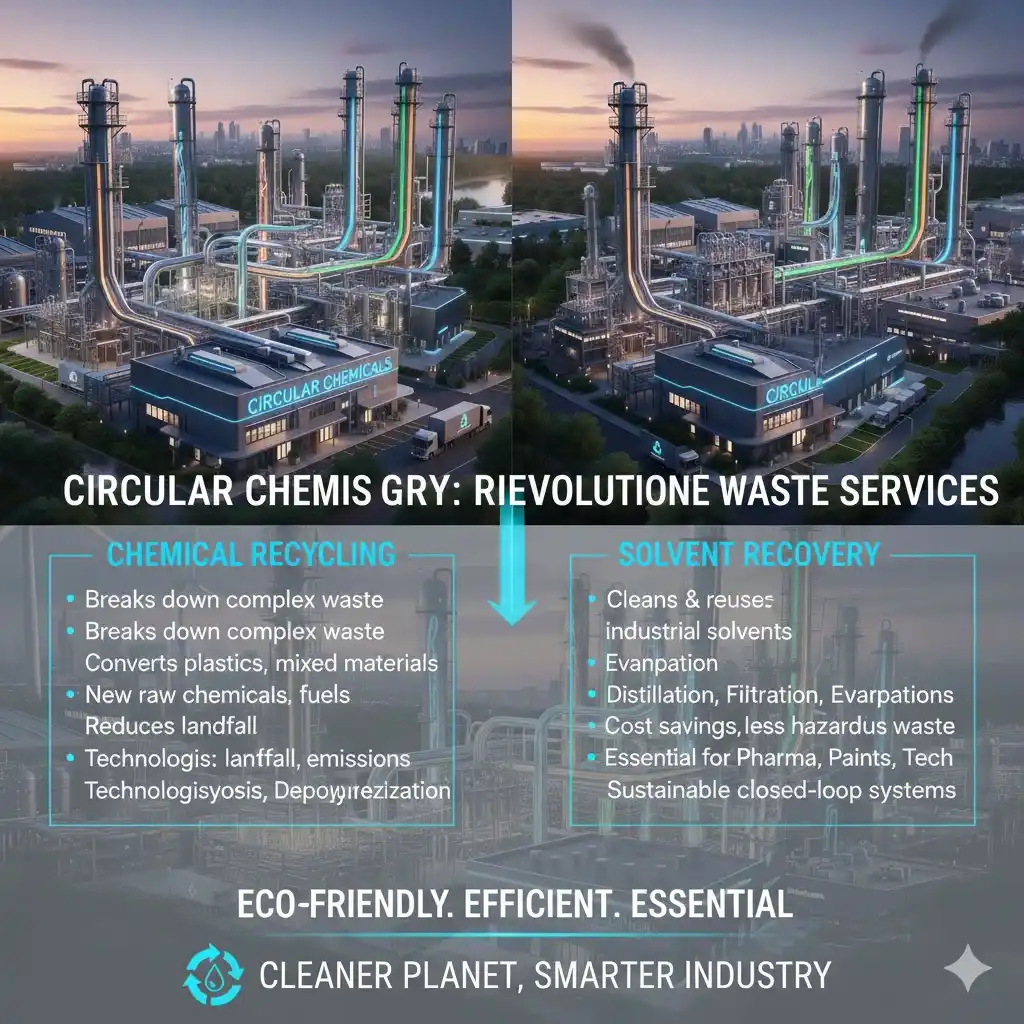
Both chemical recycling and solvent recovery require advanced technologies.
- Distillation: Normal method of solvents from solvents removal of the contaminants.
- Filtration-Maximization of solid particle removal-recycling of solvents filtration.
- Pyrolysis-The heat is used to break down the plastics turning them to fuels or raw chemicals.
- Gasification-Turns waste to syngas used for energy or chemicals.
- Depolymerization: Breaking down polymer to original monomers for reuse.
The methods used by the industry allow them safe recycling and recovery even for the toughest wastes.
Read Our Book: Click Here
Environmental Impact
These services actually help the environment in big ways. They send less waste to landfills by using chemical recycling and solvent recovery. Reusing materials takes less energy than making new stuff. That means fewer greenhouse gases and less use of water and fossil fuels. Plus, these services keep hazardous chemicals out of soil and water.
Business Advantages
These services offer companies financial benefits in addition to environmental ones. Chemical recycling and solvent recovery can reduce material costs for businesses. The businesses can also save money on hazardous waste disposal fees.
Companies that invest in environmentally-friendly solutions also improve their image. Customers prefer to purchase from companies that are concerned about sustainability. Recycling and recovery services are a wise investment to ensure long-term success.
Read Our Project Report: Click Here
Recycling and Recovery: The Future
Chemical recycling and solvent recovery are about to blow up—finally. People care about the planet now, and governments are cracking down with tough new rules. Industries can’t just do whatever they want anymore. They have to clean up their act and switch to greener methods, whether they like it or not.
Tech is getting slicker every day. We’re not just talking about tossing bottles in a blue bin—now we’ve got robots running recycling plants and high-tech gadgets sniffing out every bit of valuable material. It’s like CSI for your trash.
With all this new gear, companies can pull way more useful stuff out of their waste instead of just dumping it. The whole idea? Build a world where nothing gets tossed—everything gets reused, again and again. Basically, a circular economy. No more waste, just endless do-overs.
Find the Best Idea for Yourself With our Startup Selector Tool
Conclusion
Chemical recycling and solvent recover services are vital for a sustainable future. These services allow industries to reuse resources, reduce waste and lessen environmental harm. These services are a win-win for all parties. They not only save the environment but also businesses money. Chemical recycling and solvent recovery are set to play a bigger role. Because technology advances and environmental awareness keep growing.
Chemical Recycling And Solvent Recovery Services: Frequently Asked Questions
1. What is the difference in chemical recycling and mechanical Recycling?
Mechanical recycling is a cleaner and more efficient alternative to chemical recycling. It does not change the structure of materials. Chemical recycling is better for mixed waste or contaminated materials. It can’t be recycled mechanically.
2. How much is solvent recovery?
Solvent recovery is not always cost-effective. Although there is an initial cost for equipment, the company will save money by reusing and recycling solvents.
3. These services are safe for workers.
Yes. Professional recycling and recovery companies use the latest safety equipment and measures. Workers are protected by safety protocols and proper training.
4. All types of plastic can be chemically recycled
Although not all plastics are recyclable chemically, the technology is improving. Chemical recycling is already possible for many plastics such as polystyrene and polyethylene.
5. What are the environmental benefits of these services?
They save energy and reduce pollution of air, water and soil. They also conserve natural resources and promote sustainable development.