
 Thermax (Chemical Division)
 Tata Steel
 JSW Steel
 ITC (Agri Business Division)
 Godrej & Boyce
 Aditya Birla Management Corporation
 Grasim Industries (Century Rayon)
FRP fabricators, engineered stone makers and boat and pipe makers all buy unsaturated polyester resin, and that steady demand draws entrepreneurs into making it. An unsaturated polyester resin plant consultant helps you decide the resin grades, reactor size, styrene storage and approvals before money is committed. NPCS has supported industrial projects since 1994 and prepares project reports that lenders can read and test.
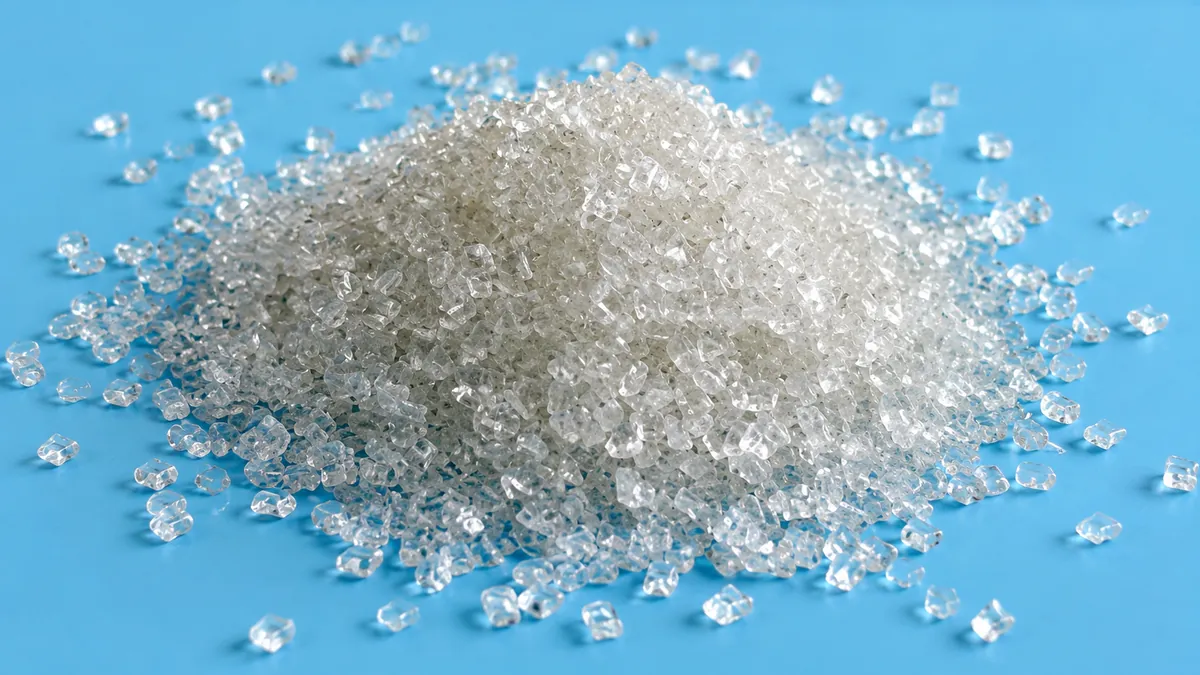
Unsaturated Polyester Resin Plant at a Glance
| Typical capacity | ~2,000–20,000 TPA |
|---|---|
| Land | ~1–4 acres |
| Power load | ~300 kW–1 MW |
| Water | Low |
| Manpower | ~20–60 |
| Indicative investment | ~₹5–40 crore |
Investment basis: excludes land.
Figures are indicative ranges. Your project report works them out for your capacity and location.
Market Demand for Unsaturated Polyester Resin in India
Demand for polyester resin follows FRP use in infrastructure and water, along with the growth of engineered stone. Manufacturing is concentrated in Gujarat, Maharashtra and Tamil Nadu, close to petrochemical supply. Export potential is medium, and seasonality is low, so output can run through the year.
- FRP fabricators making tanks and pipes
- Engineered stone and marble makers
- Boat builders
- Coating and casting users
Unsaturated Polyester Resin Products You Can Make
Most new units start with general-purpose resin and add specialities later. Marble and casting resins suit stone makers, while gelcoat serves FRP moulders. Vinyl ester works as a premium line once your reactor routine is stable.
- General-purpose, isophthalic, vinyl ester, gelcoat, marble and casting resins
Unsaturated Polyester Resin Plant Process
Resin is made by condensing glycols with maleic and phthalic anhydrides in a heated reactor, then thinning the product in styrene. Water formed during esterification is removed and treated, which is why the ETP matters. Batch reactors of 5–20 KL are the usual technology choice.
Quality is controlled at the end of each batch. You test acid value, viscosity, gel time and styrene content, and match them to the buyer's specification before inhibition, filtration and drumming.
- Esterification in reactor
- Water removal
- Cooling
- Thinning with styrene
- Inhibition
- Filtration
- Drumming
Raw Materials and Machinery for the Plant
Propylene glycol, maleic anhydride, phthalic anhydride or isophthalic acid, styrene and inhibitors are the main inputs. Petrochemicals come mainly from Gujarat and Maharashtra, with imports as a supplement. Reactors, condensers and styrene storage are the machines that most affect safety, output and cost.
- Reactors
- Condensers
- Thinning tanks
- Filtration
- Styrene storage
- Drumming
Unsaturated Polyester Resin Plant Licence and Approvals
Synthetic resin manufacture falls in the Red category under CPCB S.No. 143, so pollution board consent needs early attention. In practice, you register the unit, obtain consent to establish before construction, and then secure the safety permits. Consent to operate follows once the plant is ready. Because QCO coverage changes often, NPCS verifies the current BIS requirement during planning.
- PESO and MSIHC for styrene storage
- Hazardous waste authorisation
- Factory licence
| Pollution category | Synthetic resin manufacture: Red (CPCB S.No. 143 synthetic resins) |
|---|---|
| HSN code | 3907 91 (unsaturated polyesters) |
| GST | 18% |
| BIS / quality control order | QCO coverage changes often; NPCS verifies the current BIS requirement for your product during project planning |
| Other licences | PESO and MSIHC for styrene storage; hazardous waste authorisation; factory licence |
Securing Raw Material for a Resin Plant
Raw material is the largest cost in resin making, and petrochemical prices swing. Fixed supply contracts with suppliers in Gujarat and Maharashtra give you steadier input costs. Imports can fill gaps, but they add currency and transit risk. Plan styrene storage carefully, since it is both a hazard and a major stock item.
Choosing the Right Plant Size
Capacity typically spans about 2,000–20,000 TPA, and indicative investment runs about ₹5–40 crore excluding land. A smaller unit with a few reactors lets you learn the chemistry and build buyer trust. A larger plant spreads fixed costs but needs more land, power and working capital. Your report sizes this against your market.
Government Schemes and Project Finance
Resin projects may qualify for state incentives and chemical park benefits, depending on location. Reports from NPCS are used for bank loans and government programmes such as PMEGP, MSME schemes, Mudra and NABARD-linked projects, subject to each lender's requirements. A well-built project report gives the bank clear costs, margins and repayment logic.
What Decides Success in a Resin Plant
Good operators secure raw material contracts, run strict styrene safety and offer technical service to fabricators. The main risks are petrochemical price swings and styrene hazards. Reaction water also goes through the ETP, so budget for it.
- Raw material contracts with reliable suppliers
- Strict styrene handling and storage safety
- Technical support for resin buyers
How NPCS Helps You Set Up a Resin Plant
NPCS works through the decisions that shape a resin plant: capacity, reactor size, machinery and vendor selection, plant layout and approvals. Our team also supports production process guidance and commissioning assistance. You get a project report tailored to your budget, raw material access and market area.
NPCS's published client list records 22 assignments across plastics, polymers and rubber projects between 2011 and 2026, for clients in 13 states and 4 countries.
What Your Unsaturated Polyester Resin Plant Project Report Covers
- Project introduction and BIS specifications
- Manufacturing process with flow sheet
- Market survey (demand, imports/exports, existing units)
- Personnel
- Plant and machinery with suppliers
- Land and building with layout
- Raw materials with sources and rates
- Financials (project cost, working capital, cost of production, profitability, break-even, 5–10 year cash flow, projected balance sheet, IRR/NPV/payback)
Unsaturated Polyester Resin Plant: Frequently Asked Questions
How much does it cost to set up an unsaturated polyester resin plant?
Indicative investment is about ₹5–40 crore, excluding land, depending on capacity. Reactor size, styrene storage and effluent treatment drive most of the cost. Your project report works out the figure for your capacity and location.
Which pollution category applies to a polyester resin plant?
Synthetic resin manufacture is listed as Red under CPCB S.No. 143. You need consent to establish before building and consent to operate afterwards from the State Pollution Control Board. Hazardous waste authorisation is also required.
How much land and power does a resin plant need?
A plant typically needs about 1–4 acres and a power load of about 300 kW–1 MW, depending on capacity. Water requirement is low. Final figures depend on reactor count and storage design.
How do I start an unsaturated polyester resin business?
Begin with a project report that fixes capacity, resin grades and location. Then register the unit, apply for consent to establish, arrange styrene storage permits, order machinery and sign raw material contracts. Commissioning and consent to operate come last.
How can NPCS help with my resin plant project?
NPCS prepares the detailed project report, guides technology and machinery selection, supports vendor choice and layout, and maps the approvals you need. Share your planned capacity and location, and our team will outline the next steps.