
 Bajaj Steel Industries
 Tata Steel
 JSW Steel
 ITC (Agri Business Division)
 Godrej & Boyce
 Aditya Birla Management Corporation
 Grasim Industries (Century Rayon)
 Thermax (Chemical Division)
Power utilities, EPC contractors and renewable developers buy transformers in large, project-driven orders, and that demand is why manufacturers set up new plants. A transformer manufacturing consultant helps you decide between distribution and power transformer lines, size the plant and plan approvals before you commit capital. Our team at NPCS prepares the project report, machinery plan and finance case, so you can approach DISCOMs, banks and equipment suppliers with clear numbers.
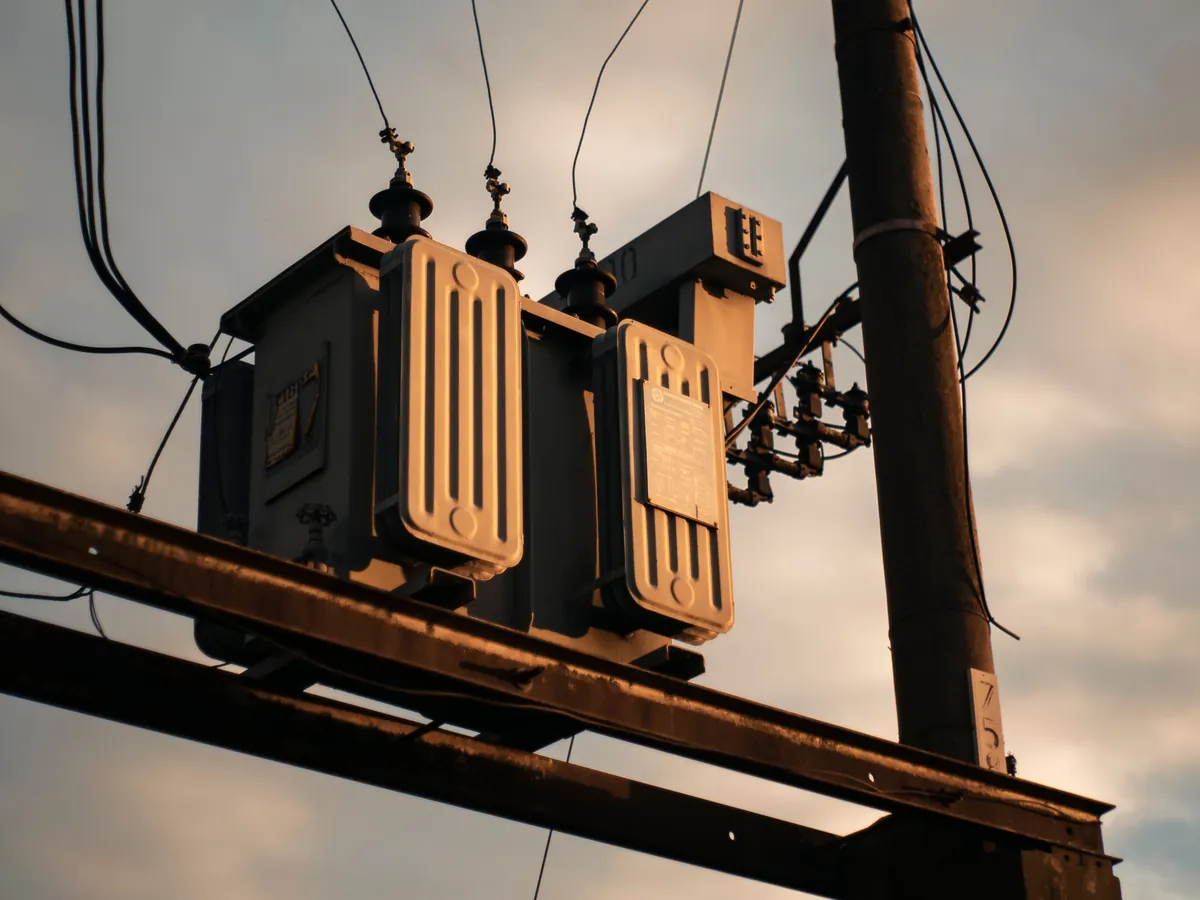
Transformer Manufacturing at a Glance
| Typical capacity | ~2,000–20,000 MVA per year |
|---|---|
| Land | ~2–15 acres |
| Power load | ~500 kW–3 MW |
| Water | Low |
| Manpower | ~50–400 |
| Indicative investment | ~₹10–200 crore |
Investment basis: power-transformer plants at the top end; excludes land.
Figures are indicative ranges. Your project report works them out for your capacity and location.
Market Demand for Transformers in India
Transformer demand in India follows grid expansion, renewable capacity additions and industrial growth. DISCOMs remain the anchor buyers, while solar and wind developers and EPC contractors add steady project orders. Because demand is project-driven, order books can swing from one period to the next.
- DISCOMs and utilities buying distribution and power units
- EPC contractors executing substations and infrastructure
- Industrial buyers needing furnace and special transformers
- Solar and wind developers connecting new plants to the grid
- Clusters in Gujarat (Vadodara), Maharashtra, Delhi-NCR, Tamil Nadu and Madhya Pradesh
Transformer Products You Can Make
Most new units start with oil-type distribution transformers because utility demand for them is broad. Power transformers need a test bay and more capital, so they suit established plants. CSS units, furnace transformers and BEE star-rated models can be added as your buyer base grows.
- Distribution transformers (oil and dry type), power transformers, CSS units, furnace and special transformers, BEE star-rated transformers
Transformer Manufacturing Process
The transformer manufacturing process runs from core cutting to final testing, and quality is controlled at almost every stage. Core quality and winding accuracy decide losses, so these steps need the closest supervision. Drying removes moisture from the core-coil assembly before oil filling, which protects insulation life.
Finished units face routine and type tests covering losses, ratio, impedance, temperature rise and impulse withstand. Distribution units follow IS 1180, power units follow IS 2026, and CPRI type tests are expected by utilities. Amorphous cores are an option if you want low-loss designs.
- Core cutting and stacking
- Winding (LV and HV)
- Core-coil assembly
- Vapour-phase or oven drying
- Tanking and oil filling
- Routine and type testing
- Painting and dispatch
Raw Materials and Machinery for Transformers
CRGO electrical steel is the key input and is largely imported, while copper or aluminium winding wire and transformer oil are sourced domestically. Insulation paper, pressboard, tanks and radiators complete the bill of materials. On the machinery side, the core cutting line, winding machines, drying plant and test bay matter most.
- Core cutting line
- Winding machines
- Drying oven or vapour-phase plant
- Tank fabrication
- Oil filtration plant
- Test bay
- Cranes
Licences and Approvals for a Transformer Plant
Approvals for a transformer plant should be sequenced early, since utility vendor approval often decides when orders begin. Electrical equipment assembly with painting is Green under CPCB S.No. 125, but tank pickling raises the category. Plan the State Pollution Control Board consent to establish before construction, then consent to operate.
- BIS certification and BEE star labelling for distribution transformers, as notified
- BEE registration and factory licence
- CPRI type-test certificates
- Utility vendor approvals
| Pollution category | Electrical equipment assembly with painting: Green (CPCB S.No. 125); tank pickling raises the category |
|---|---|
| HSN code | 8504 (electrical transformers) |
| GST | 18% |
| BIS / quality control order | Distribution transformers need BIS certification and BEE star labelling as notified |
| Other licences | BEE registration; utility vendor approvals; CPRI type-test certificates; factory licence |
Choosing the Right Transformer Technology
A distribution transformer line needs lower capex and suits buyers who want volume orders from DISCOMs. A power transformer bay costs more and needs a test lab, but it opens higher-value utility and industrial orders. Amorphous cores cut losses, which helps where buyers evaluate on loss performance. Many promoters start with distribution units and add power capability later.
Choosing the Right Transformer Plant Size
Plant size changes the whole project. Indicative capacity runs from about 2,000 to 20,000 MVA per year, with land of roughly 2–15 acres and manpower of about 50–400. Smaller distribution plants sit near the lower investment range, while power-transformer plants sit at the top. Your project report fixes the right size using your buyers, funds and location.
Government Schemes and Project Finance for Transformers
Demand from RDSS and renewable energy projects supports transformer orders, and some states offer incentives. Eligibility depends on your state and unit size, so check current terms. Our reports are used for bank loans and government programmes such as PMEGP, MSME schemes, Mudra and NABARD-linked projects, subject to each lender's requirements.
What Decides Success in a Transformer Plant
Good operators win utility approvals early, hold losses within specification and buy CRGO carefully. Two risks need planning in your working capital and pricing.
- CRGO price and supply swings
- Long payment cycles from utilities
- Core scrap and waste oil, which can be recycled
How NPCS Helps You Set Up a Transformer Plant
Our team supports the decisions that shape a transformer plant: capacity, distribution or power focus, machinery selection and vendor choice. We also help with plant layout, installation and commissioning support, and the approvals and finance documents your lender expects. Every report is tailored to your capacity, budget, technology and market.
NPCS's published client list records 9 assignments on transformer projects between 2009 and 2026 for clients in 6 states and 1 country, including bankable project reports, techno-economic feasibility studies and market research reports.
What Your Transformer Manufacturing Project Report Covers
- Project introduction and BIS specifications
- Manufacturing process with flow sheet
- Market survey (demand, imports/exports, existing units)
- Personnel
- Plant and machinery with suppliers
- Land and building with layout
- Raw materials with sources and rates
- Financials (project cost, working capital, cost of production, profitability, break-even, 5–10 year cash flow, projected balance sheet, IRR/NPV/payback)
Transformer Manufacturing: Frequently Asked Questions
How much does transformer manufacturing setup cost in India?
Investment is typically about ₹10–200 crore, depending on capacity and whether you add power transformers. Power-transformer plants sit at the top end. The range is indicative and excludes land, so your project report should cost your own plan.
Which licences and approvals are needed to start a transformer plant?
You'll need a factory licence, BEE registration, BIS certification for distribution transformers, CPRI type-test certificates and utility vendor approvals. Painting-based assembly is generally Green, but tank pickling raises the pollution category.
How much land and power does a transformer unit need?
Land typically ranges from about 2 to 15 acres, and power load from about 500 kW to 3 MW. Water need is low. Actual figures depend on your capacity, test bay and whether you build power transformers.
How to start transformer manufacturing as a new entrepreneur?
Begin with a feasibility study to choose between distribution and power transformers. Then fix capacity and location, plan CRGO sourcing, secure approvals and apply for finance. Utility vendor approval should be planned early because it drives orders.
How does NPCS help with a transformer manufacturing project report?
NPCS prepares a detailed project report covering process, machinery, raw materials, approvals and financials, tailored to your capacity and location. Our team can also guide machinery selection, vendor choice and commissioning support.