
 Grasim Industries (Century Rayon)
 Jindal Woollen Industries
 Tata Steel
 JSW Steel
 ITC (Agri Business Division)
 Godrej & Boyce
 Aditya Birla Management Corporation
 Thermax (Chemical Division)
A textile processing consultant helps entrepreneurs plan units that bleach, dye, print and finish yarn and fabric, either as job work or on their own account. Most of these plants serve garment exporters, home textile makers and domestic fabric traders, and many sit inside CETP or ZLD-compliant clusters. NPCS works with you on capacity, machinery, effluent treatment and approvals, so the investment decision rests on workable numbers rather than guesswork.
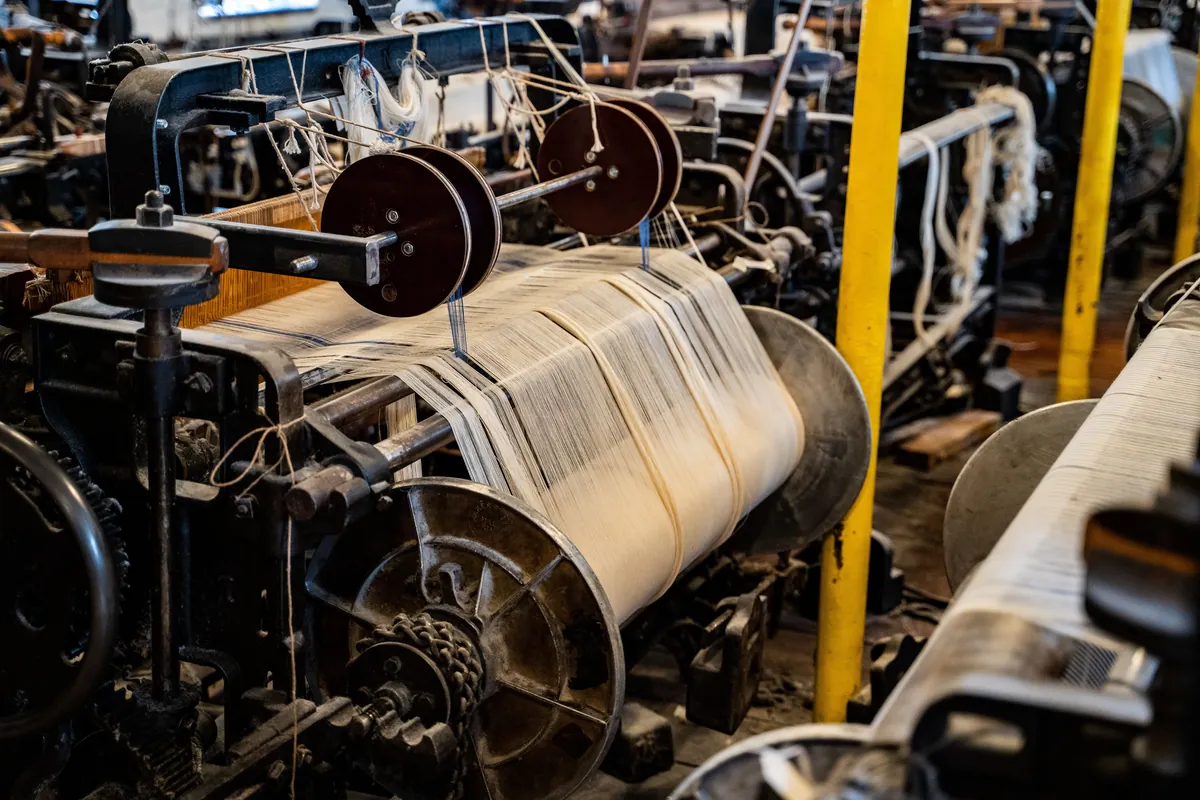
Textile Processing at a Glance
| Typical capacity | ~10–100 tonnes of fabric per day |
|---|---|
| Land | ~2–10 acres |
| Power load | ~1–5 MW plus steam |
| Water | Very high (recycled under ZLD) |
| Manpower | ~80–400 |
| Indicative investment | ~₹20–150 crore |
Investment basis: ZLD adds significantly; excludes land.
Figures are indicative ranges. Your project report works them out for your capacity and location.
Market Demand for Textile Processing in India
Demand for processing capacity follows textile exports, because garment exporters need dyed and finished fabric on tight schedules. Processing is concentrated where weaving and knitting already exist, so location matters as much as machinery. Order flow usually moves with export order cycles, which affects how full your lines stay through the year.
- Garment exporters needing shade-consistent dyed fabric
- Home textile makers buying bleached, printed and finished cloth
- Domestic fabric traders sending greige for job work
- Clusters at Tiruppur, Erode, Surat, Ahmedabad, Ludhiana and Bhilwara
Textile Processing Services You Can Offer
You can start with one service line and add others as customers ask for them. Garment exporters tend to want yarn dyeing and fabric dyeing, while home textile buyers often look for printing and finishing such as softening and sanforising.
- Yarn dyeing, fabric bleaching and dyeing, digital and rotary printing, finishing (softening, sanforising)
Textile Processing Process Explained
The textile processing process starts with cleaning greige cloth and ends with a final inspection before dispatch. Desizing and scouring remove sizing and impurities so that bleaching and dyeing take evenly. Dyeing runs on jet, jigger or yarn package machines, depending on the material. Printing is optional and finishing sets the hand feel and stability of the fabric.
Quality is controlled at several points, not only at the end. Shade matching, colour fastness and shrinkage are tested, and many buyers also expect compliance with their RSL and ZDHC requirements. Low-liquor-ratio dyeing machines and effluent recycling help you cut water use under ZLD.
- Desizing and scouring
- Bleaching
- Dyeing (jet, jigger, yarn package)
- Washing
- Printing (optional)
- Finishing
- Inspection
Raw Materials and Machinery for Textile Processing
Your inputs are greige yarn and fabric, dyes and chemicals, steam and water. Greige usually comes from nearby weaving clusters, and dyes are commonly sourced from Gujarat. Among the machines, soft-flow and jet dyeing machines, stenters and the ETP with ZLD shape both output quality and your compliance cost.
- Soft-flow and jet dyeing machines
- Jiggers
- Stenters
- Printing machines
- Boilers
- ETP with ZLD
Textile Processing Licence and Approvals
Dyeing and bleaching units fall in the Red pollution category, and ZLD is mandatory in several clusters. Plan the approvals in this order, before you commit to civil work or machinery orders:
- Business and GST registration for job-work services
- Effluent route: CETP membership or your own ZLD
- Consent to establish from the State Pollution Control Board before construction
- Boiler approval under IBR
- Consent to operate before commercial production
| Pollution category | Dyeing and bleaching units are Red; ZLD is mandatory in several clusters |
|---|---|
| HSN code | Job-work services (SAC 9988) |
| GST | Textile job work: 5% |
| BIS / quality control order | No QCO |
| Other licences | CETP membership or own ZLD; boiler (IBR) |
Choosing the Right Textile Processing Plant Size
Capacity is the biggest cost decision, since plants typically run from about 10 to 100 tonnes of fabric per day. Land, power, manpower and the effluent system all grow with scale, and ZLD adds significantly to the investment. A smaller unit inside a CETP cluster can start with less capital. A larger unit usually needs its own treatment and steam capacity, so the choice should follow your confirmed customer volumes.
Choosing Textile Processing Technology
Technology choice in a dyeing unit mostly comes down to water and effluent. Low-liquor-ratio dyeing machines use less water per kilogram of fabric, which lowers treatment load. Effluent recycling for ZLD recovers water and salt, though it raises upfront cost. Jet machines suit knitted and delicate fabrics, while jiggers suit certain woven goods, so match machines to the fabrics your buyers send.
Government Schemes and Project Finance for Textile Processing
Schemes relevant to this sector include the Integrated Processing Development Scheme, PM MITRA parks and state textile policies. Eligibility and benefits vary, so check current terms with the authority concerned. A bankable textile processing project report helps lenders see your costs, effluent plan and cash flow, and NPCS reports are used for bank loans and government programmes, subject to each lender's requirements.
What Decides Success in a Textile Processing Unit
Units that do well keep effluent compliance and shade consistency under tight control. The main risk to plan for is the cost of water and effluent treatment.
- Reliable effluent compliance at all times
- Repeatable shade matching across batches
- Water recycling to contain running cost
- Selling ETP sludge and recovered salt where possible
How NPCS Helps You Set Up a Textile Processing Unit
NPCS supports the decisions that matter most in a dyeing plant: capacity, technology, machinery and vendor selection, plant layout and approvals. Our team also guides production process planning and installation and commissioning assistance. We tailor the project report to your location, effluent route and budget, so your lender and your own team work from the same figures.
NPCS's published client list records 22 assignments across textiles and apparel projects between 2012 and 2024, for clients in 11 states.
What Your Textile Processing Project Report Covers
- Project introduction and BIS specifications
- Manufacturing process with flow sheet
- Market survey (demand, imports/exports, existing units)
- Personnel
- Plant and machinery with suppliers
- Land and building with layout
- Raw materials with sources and rates
- Financials (project cost, working capital, cost of production, profitability, break-even, 5–10 year cash flow, projected balance sheet, IRR/NPV/payback)
Textile Processing: Frequently Asked Questions
How much does textile processing setup cost in India?
An indicative range is ₹20–150 crore, depending on capacity and technology. ZLD adds significantly, and the range excludes land. Your project report works out the cost for your chosen capacity and location.
Which pollution category applies to a textile processing unit?
Dyeing and bleaching units are in the Red category, and ZLD is mandatory in several clusters. You'll need consent to establish and consent to operate from the State Pollution Control Board, plus CETP membership or your own ZLD.
How much land and power does a textile processing plant need?
Typically about 2–10 acres of land and a power load of about 1–5 MW plus steam, depending on capacity. Water requirement is very high, though recycling under ZLD reduces fresh water demand.
How to start a textile processing business?
Begin by fixing your service line, capacity and location, ideally in a cluster with an effluent route. Then prepare a project report, secure the approvals and finance, and order machinery. NPCS can guide each of these steps.
How can NPCS help with a textile processing project report?
NPCS prepares a detailed project report covering process, machinery, raw materials, approvals and financials, tailored to your capacity and location. Our team can also assist with machinery selection, vendor selection and plant layout.