
 Tata Steel
 JSW Steel
 ITC (Agri Business Division)
 Godrej & Boyce
 Aditya Birla Management Corporation
 Grasim Industries (Century Rayon)
 Thermax (Chemical Division)
 UPL
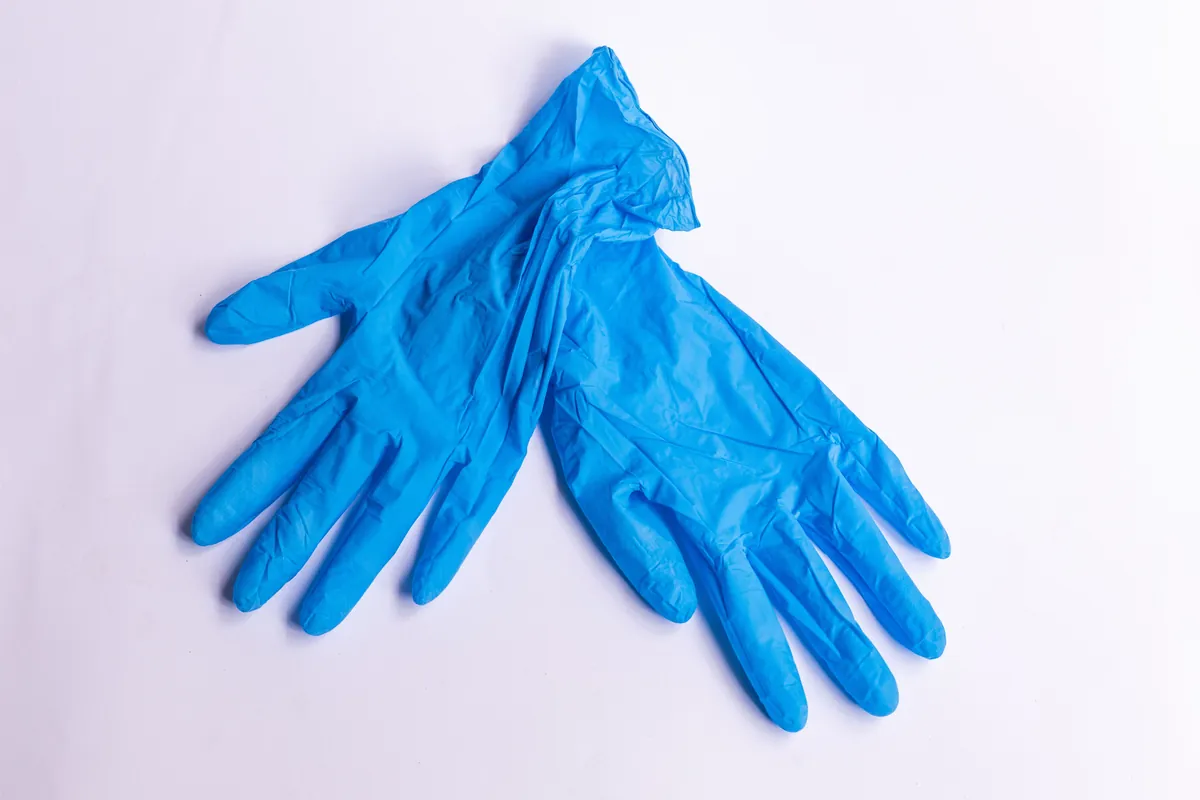
Hospitals, clinics, laboratories and food handlers buy gloves in huge volumes, and Indian buyers still depend heavily on imports from Malaysia. A surgical gloves plant consultant helps entrepreneurs and investors plan a dipping unit that makes examination, surgical or nitrile gloves for these buyers. NPCS has advised on such projects since 1994. Our team prepares the project report, compares technology routes, and maps the approvals so you can judge viability before committing capital.
Surgical Gloves Plant at a Glance
| Typical capacity | ~20–200 crore gloves/year |
|---|---|
| Land | ~3–10 acres |
| Power load | ~1–4 MW plus thermal |
| Water | High |
| Manpower | ~100–400 |
| Indicative investment | ~₹30–200 crore |
Investment basis: excludes land.
Figures are indicative ranges. Your project report works them out for your capacity and location.
Market Demand for Surgical Gloves in India
Demand for gloves in India rises with healthcare growth and hygiene awareness. Import substitution from Malaysia adds to it, since local plants can serve buyers closer to home. Export potential is medium, so most new units plan for the domestic market first. Production clusters sit in Kerala, Tamil Nadu, Tripura and Gujarat. Kerala and Tripura are also the natural rubber latex sources.
- Hospitals and clinics buying sterile and examination gloves
- Distributors supplying pharmacies and medical stores
- State tenders that specify IS 13422 or IS 15354
- Exporters and laboratories, food handlers and industrial users
Surgical Gloves Products You Can Make
Most new units start with latex examination gloves, since they need no sterilisation. Sterile surgical gloves suit hospital and tender buyers, while nitrile gloves serve laboratories and industry. Powder-free versions are worth planning from the start, as many institutional buyers prefer them.
- Latex examination gloves, sterile latex surgical gloves, nitrile gloves, powder-free gloves
Surgical Gloves Plant Process
The surgical gloves plant process builds each glove by dipping ceramic or metal formers into coagulant and then latex, followed by leaching, beading, oven vulcanising and stripping. Chlorination or polymer coating makes the glove easier to don. Surgical gloves then go for sterilisation, while all gloves are tested and packed.
Quality is controlled at the end of the line and along it. AQL pinhole tests, tensile strength, dimensions and protein level are checked against IS 13422 for surgical gloves and IS 15354 for examination gloves. Technology choice matters: single and double former lines differ in output, and nitrile needs higher-spec ovens.
- Former cleaning
- Coagulant dip
- Latex dip
- Leaching
- Beading
- Vulcanising (oven)
- Stripping
- Chlorination or polymer coating
- Drying
- Testing
- Sterilisation (surgical)
- Packing
Raw Materials and Machinery for a Glove Plant
Your main input is centrifuged natural rubber latex, bought mostly from Kerala and Tripura, or nitrile latex, which is imported. Coagulants, chemicals and packaging complete the list. The dipping line with formers and the ovens drive output and cost most. Sterilisation is usually gamma outsourced or done by EtO, so plan that link early.
- Dipping line with formers
- Ovens
- Leaching tanks
- Chlorinator
- Tumble dryers
- Testing equipment
- Sterilisation (gamma outsourced or EtO)
- Packing
Surgical Gloves Plant Licence and Approvals
Surgical gloves plant licence and approvals follow a clear order: business registration, consent to establish from the State Pollution Control Board before construction, then product licences, and finally consent to operate. Rubber dipping with chemical effluent is generally Orange, though the State PCB fixes the category. BIS rules change often, so NPCS verifies the current requirement during planning.
- Medical Devices Rules licence for surgical gloves
- Rubber Board registration
- Boiler approval under IBR
- Factory licence
| Pollution category | Rubber dipping with chemical effluent: generally Orange; the State PCB fixes the category |
|---|---|
| HSN code | 4015 (articles of vulcanised rubber, gloves) |
| GST | Classification-dependent (surgical vs other gloves); applied in the project financials |
| BIS / quality control order | QCO coverage changes often; NPCS verifies the current BIS requirement for your product during project planning; tenders require IS 13422/15354 |
| Other licences | Medical Devices Rules licence for surgical gloves; Rubber Board registration; boiler (IBR); factory licence |
Choosing the Right Glove Technology
Your technology choice shapes both capital and running cost. Single former lines suit smaller starts and are simpler to run. Double former lines raise output from the same footprint but need tighter control. Nitrile gloves need higher-spec ovens than natural latex, and nitrile latex is imported, so cost and supply risk differ. Latex suits examination and surgical gloves, while nitrile suits buyers with latex allergy concerns or industrial needs. NPCS compares these routes against your capacity and budget.
Where to Set Up a Glove Plant
Location decides latex cost, water access and buyer reach. Kerala and Tripura sit next to natural rubber latex supply, which shortens transport of a perishable input. Tamil Nadu and Gujarat offer industrial infrastructure and access to hospital and distributor networks. Because water use is high and effluent needs treatment, check water availability and the State PCB position before you finalise land. A site of roughly 3–10 acres is typical, depending on capacity.
Government Schemes and Project Finance
Rubber Board schemes and state incentives may support a glove plant, depending on location and eligibility. Capital needs are large, so most promoters approach lenders. Our reports are used for bank loans and government programmes such as PMEGP, MSME schemes, Mudra and NABARD-linked projects, subject to each lender's requirements. A bankable report sets out costs, cash flow and repayment capacity clearly.
What Decides Success in a Surgical Gloves Plant
Good operators keep line efficiency high and rejects low, because AQL quality decides which buyers accept the product. Latex cost is the other big lever. The main risks are Malaysian competition and latex price swings, so plan buying and pricing with care.
- Steady line efficiency and AQL pass rates
- Disciplined latex purchasing
- Plans to sell latex sludge and rejects
How NPCS Helps You Set Up a Surgical Gloves Plant
NPCS ties its services to the decisions you face: capacity, latex or nitrile, machinery selection, vendor selection and plant layout. We also guide production process planning and installation and commissioning assistance. Our team prepares a detailed project report or techno-economic feasibility study, and maps approvals and finance so your plan holds up with lenders and buyers.
NPCS's published client list records 11 assignments on surgical gloves projects between 2013 and 2026 for clients in 7 states and 1 country, including detailed project reports, bankable project reports and techno-economic feasibility studies.
What Your Surgical Gloves Plant Project Report Covers
- Project introduction and BIS specifications
- Manufacturing process with flow sheet
- Market survey (demand, imports/exports, existing units)
- Personnel
- Plant and machinery with suppliers
- Land and building with layout
- Raw materials with sources and rates
- Financials (project cost, working capital, cost of production, profitability, break-even, 5–10 year cash flow, projected balance sheet, IRR/NPV/payback)
Surgical Gloves Plant: Frequently Asked Questions
How much investment is needed to start a surgical gloves plant?
An indicative range is ₹30–200 crore, excluding land, depending on capacity and technology. Nitrile lines and sterilisation add cost. Your project report works out the exact figure for your planned capacity and location.
Which licences and pollution category apply to a glove plant?
Rubber dipping with chemical effluent is generally Orange, and the State PCB fixes the category. You also need a Medical Devices Rules licence for surgical gloves, Rubber Board registration, boiler approval under IBR and a factory licence.
How much land and power does a surgical gloves plant need?
Typically about 3–10 acres of land and roughly 1–4 MW of power plus thermal load, depending on capacity. Water requirement is high, so confirm supply and effluent treatment options before you buy or lease the site.
How to start a surgical gloves plant business?
Begin with a feasibility study to fix capacity, latex or nitrile, and target buyers. Then secure land, consent to establish, machinery and finance. Sterilisation and testing arrangements should be settled before commissioning so you can bid for tenders.
How does NPCS help with a surgical gloves plant project report?
NPCS prepares a surgical gloves plant project report covering process, machinery, raw materials, approvals and financials, tailored to your capacity and location. Our team also supports machinery and vendor selection, and enquiries are answered within 24 hours.