
 Godrej & Boyce
 Bajaj Steel Industries
 Shyam Steel Industries
 Tata Steel
 JSW Steel
 ITC (Agri Business Division)
 Aditya Birla Management Corporation
 Grasim Industries (Century Rayon)
A shipping container manufacturing consultant helps investors plan a factory that fabricates ISO dry and reefer containers from corten steel, certified under the Container Safety Convention (CSC). Most containers used in India are imported, so domestic production serves shipping lines, leasing companies and logistics firms looking for local supply. NPCS has worked with industrial entrepreneurs since 1994. Our team prepares the project report, advises on technology and machinery, and maps the approvals you'll need.
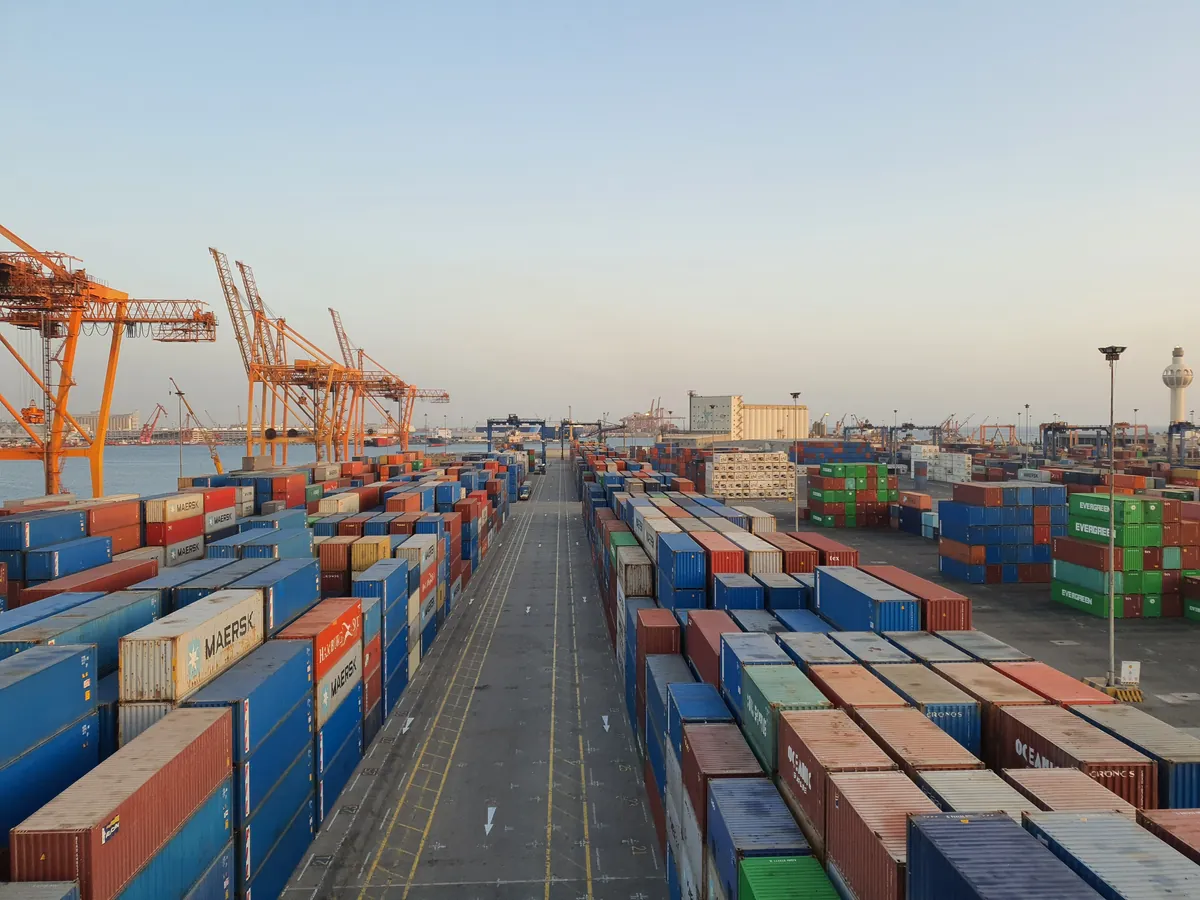
Shipping Container Manufacturing at a Glance
| Typical capacity | ~10,000–50,000 TEU per year |
|---|---|
| Land | ~25–60 acres |
| Power load | ~3–10 MW |
| Water | Low |
| Manpower | ~300–1,000 |
| Indicative investment | ~₹150–600 crore |
Investment basis: excludes land.
Figures are indicative ranges. Your project report works them out for your capacity and location.
Market Demand for Shipping Containers in India
Demand rests mainly on import substitution, since most containers are imported today, and on steady export trade. Buyers are shipping lines, leasing companies, CONCOR and other logistics firms. Containers also serve rail and road logistics through ICDs, and are used for storage.
Gujarat, Tamil Nadu, Andhra Pradesh and West Bengal are the main clusters to consider. Seasonality is low, and export potential is medium.
- Shipping lines and leasing companies
- CONCOR and logistics firms
- Rail and road logistics through ICDs
- Storage users
Shipping Container Types You Can Make
Most new plants start with 20 ft and 40 ft dry containers because shipping lines and lessors buy them in volume. Reefer containers need refrigeration integration, so they suit a second phase. Special containers and site offices can fill gaps in the order book.
- 20 ft and 40 ft dry containers, high-cube, reefer containers, special containers (open-top, flat-rack), site offices
Shipping Container Manufacturing Process
The shipping container manufacturing process starts with corrugating steel sheet and ends with inspection and CSC plating. Panels for the sides, roof and end walls are fabricated first, then joined with the base frame and floor. Welding quality decides much of the final strength.
Technology choice matters here. You can run semi-automatic welding lines or fully automated ones, and reefer lines need refrigeration integration. Quality is controlled through ISO 1496 tests covering stacking, racking and lifting. CSC approval comes from a classification society, so build test rigs and inspection into the plant plan from the start.
- Sheet corrugation
- Side, roof and end-wall fabrication
- Base frame and floor
- Assembly and welding
- Shot blasting
- Painting
- Floor fitting
- Inspection and CSC plating
Raw Materials and Machinery for Container Plants
Corten steel sheets and sections are the main input, sourced from domestic mills and imports. You'll also buy plywood or bamboo flooring, paint and door hardware. The corrugating machine, welding lines and robots, shot blasting and painting booths drive most of the capital cost.
- Corrugating machine
- Press brakes
- Welding lines and robots
- Shot blasting
- Painting booths
- Flooring line
- Test rigs
Shipping Container Manufacturing Licence and Approvals
Shipping container manufacturing licence and approvals begin with business registration and a factory licence. Painting at scale is generally Orange, and the State Pollution Control Board fixes the category, so apply for consent to establish before construction. Classification society approval, for example from the Indian Register of Shipping, and CSC certification are mandatory for international use.
- Registration and factory licence
- Consent to establish from the State PCB
- Classification society approval and CSC certification
- Consent to operate before commercial production
| Pollution category | Fabrication with large-scale painting: generally Orange; the State PCB fixes the category |
|---|---|
| HSN code | 8609 (containers) |
| GST | Classification-dependent; applied in the project financials |
| BIS / quality control order | CSC certification and classification-society approval are mandatory for international use |
| Other licences | Classification society approval (e.g., Indian Register of Shipping); factory licence |
Choosing the Right Shipping Container Plant Size
Indicative capacity runs from about 10,000 to 50,000 TEU per year, so plant size changes the whole project. A smaller unit needs less land and power but has less room to compete on cost. A larger plant spreads fixed costs and suits automated welding lines.
Land, power load, manpower and investment all rise with scale. Your project report should model more than one capacity before you commit.
Choosing the Right Container Welding Technology
Semi-automatic welding lines cost less and need more skilled labour. Automated lines with robots give consistent welds and suit high volumes. Reefer production adds refrigeration integration on top of either route.
The right choice depends on your target buyers, capacity and budget. Our team compares both routes against your plan.
Government Schemes and Project Finance for Container Plants
Government push for domestic container manufacturing and state incentives may support your plant, depending on the state. Reports from NPCS are used for bank loans and government programmes such as PMEGP, MSME schemes, Mudra and NABARD-linked projects, subject to each lender's requirements. A well-built project report makes your application easier to assess.
What Decides Success in a Shipping Container Plant
Cost competitiveness with China and the right certifications decide whether a plant wins orders. The main risks are Chinese price competition and steel cost.
- Secure steady corten steel supply
- Obtain CSC approval early
- Sell steel scrap and manage paint waste properly
- Model steel price swings in your financials
How NPCS Helps You Set Up a Shipping Container Plant
NPCS supports the decisions that shape a container plant: capacity, welding technology, machinery selection and vendors. Our team also assists with plant layout, approvals, and finance planning. A shipping container manufacturing project report from us is tailored to your capacity, budget and location.
NPCS's published client list records 7 assignments on shipping container projects between 2021 and 2026 for clients in 4 states, including detailed project reports and techno-economic feasibility studies.
What Your Shipping Container Manufacturing Project Report Covers
- Project introduction and BIS specifications
- Manufacturing process with flow sheet
- Market survey (demand, imports/exports, existing units)
- Personnel
- Plant and machinery with suppliers
- Land and building with layout
- Raw materials with sources and rates
- Financials (project cost, working capital, cost of production, profitability, break-even, 5–10 year cash flow, projected balance sheet, IRR/NPV/payback)
Shipping Container Manufacturing: Frequently Asked Questions
How much does it cost to start shipping container manufacturing?
An indicative investment is about ₹150–600 crore, excluding land. The figure depends on capacity, welding technology and whether you add reefer lines. Your project report works out the cost for your location and scale.
Which licences are needed for a container factory?
You need a factory licence, State PCB consent and classification society approval, such as from the Indian Register of Shipping. CSC certification is mandatory for international use. Painting at scale is generally Orange, but the State PCB fixes the category.
How much land and power does a container plant need?
A plant typically needs about 25–60 acres and a power load of about 3–10 MW, depending on capacity. Water requirement is low. Manpower is roughly 300–1,000 people.
How do I start a shipping container manufacturing business?
Begin with a feasibility study covering capacity, technology and buyers. Then choose a location, apply for registration and consents, and plan CSC approval. Finally, finalise machinery and finance. NPCS can guide each of these steps.
How does NPCS help with a container manufacturing project?
NPCS prepares detailed project reports and feasibility studies, and supports machinery selection, vendor selection and plant layout. Our team also guides approvals and finance planning. Share your capacity and location, and we'll tailor the report.