
 Thermax (Chemical Division)
 Tata Steel
 JSW Steel
 ITC (Agri Business Division)
 Godrej & Boyce
 Aditya Birla Management Corporation
 Grasim Industries (Century Rayon)
Digital print shops, advertising agencies and distributors buy flex in bulk for hoardings, retail signage and events, and that steady demand draws investors to this project. A pvc flex banner manufacturing plant consultant helps you decide the route, capacity and approvals before you commit money. NPCS has prepared project reports and feasibility studies since 1994, and our team can shape the plan around your capacity, budget and location.
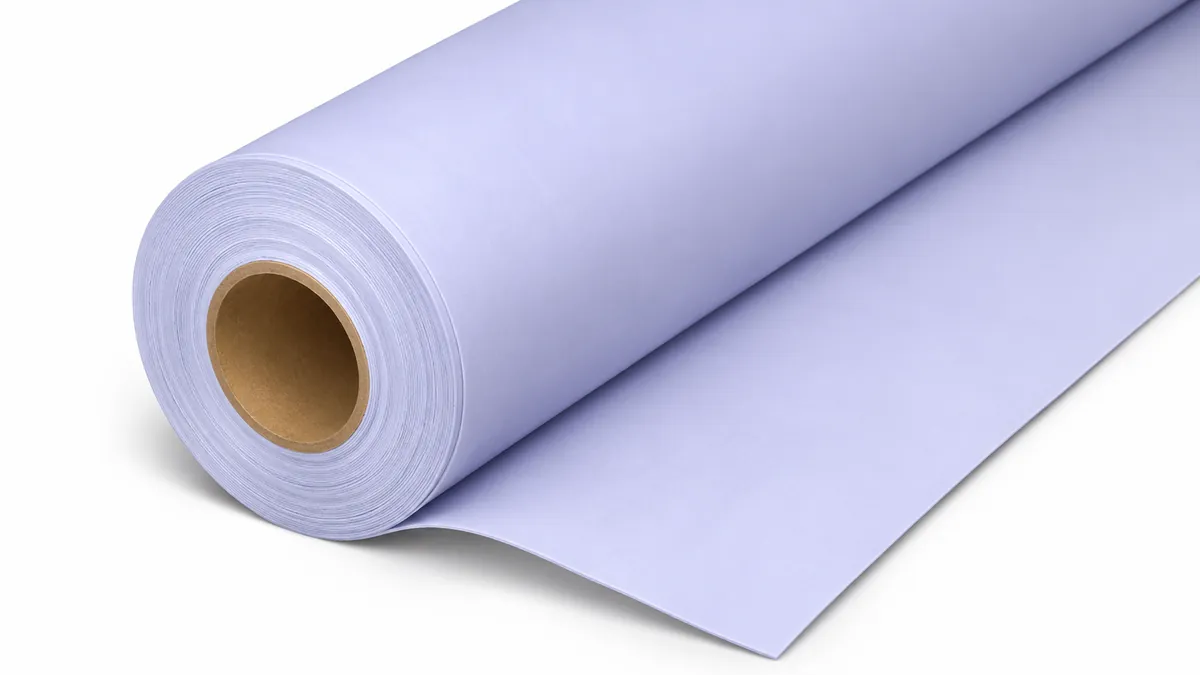
PVC Flex Banner Manufacturing Plant at a Glance
| Typical capacity | ~5,000–30,000 TPA |
|---|---|
| Land | ~3–8 acres |
| Power load | ~1–3 MW |
| Water | Low |
| Manpower | ~40–120 |
| Indicative investment | ~₹20–100 crore |
Investment basis: excludes land.
Figures are indicative ranges. Your project report works them out for your capacity and location.
Market Demand for PVC Flex Banners in India
Flex demand in India follows outdoor advertising, and it rises sharply around elections and events. Gujarat, Maharashtra, Delhi-NCR and Tamil Nadu are the main clusters, so a plant near them stays close to buyers. Export potential is Medium, which makes the domestic dealer market the first priority.
- Digital print shops that buy rolls for printing
- Advertising agencies handling hoardings and campaigns
- Distributors who stock flex for smaller printers
- Event and retail signage buyers
PVC Flex Banner Products You Can Make
Most new units start with frontlit and backlit flex, because print shops use them daily. Blockout flex and star flex suit buyers who want a stronger or specialised sheet. Vinyl and one-way vision are allied products you can add once your core line is stable.
- Frontlit and backlit flex, blockout flex, star flex, vinyl and one-way vision (allied)
PVC Flex Banner Manufacturing Process
The pvc flex banner manufacturing plant process starts with compounding PVC and ends with winding and slitting into rolls. Films are calendered, then bonded to polyester scrim by hot lamination. Knife coating is the alternative route, and it gives higher quality at a different cost.
Quality is checked at the finished roll. Typical tests cover GSM, tensile and tear strength, weathering and print adhesion. Banners must also be at least 100 microns under the Plastic Waste Management Rules, so thickness control matters from the start.
- Compounding PVC
- Calendering films
- Hot lamination with polyester scrim (or knife coating)
- Embossing
- Cooling
- Winding and slitting
Raw Materials and Machinery for a PVC Flex Plant
PVC resin is sourced domestically, while polyester mesh fabric comes from both domestic and imported sources. Plasticisers, stabilisers and pigments complete the compound. The machines that matter most are the calender and laminator, since they set film quality and bonding strength. Mixer capacity should match your calender output.
- High-speed mixer
- Calender
- Laminator
- Embossing roller
- Winder and slitter
PVC Flex Banner Manufacturing Plant Licence and Approvals
Start with business registration, then apply for consent to establish from the State Pollution Control Board before construction. PVC calendering and coating is generally Orange, so expect a detailed review. After commissioning, you need consent to operate. Polymer QCOs were withdrawn in Nov 2025, but EPR registration for plastic packaging may apply where relevant.
| Pollution category | PVC calendering and coating is generally Orange |
|---|---|
| HSN code | 3921 (plastic sheets and films) |
| GST | 18% |
| BIS / quality control order | Polymer QCOs withdrawn in Nov 2025 |
| Other licences | EPR registration for plastic packaging where applicable |
Securing Raw Material for Your Flex Plant
Raw material is your largest running cost, so secure it early. PVC resin is available domestically, which makes supply contracts with regular suppliers practical. Polyester mesh is both domestic and imported, so compare local mills against imports before fixing your product mix. Stock enough ahead of election and festive peaks, when orders surge and delays hurt dealer relationships.
Choosing the Right Plant Size
Plant size changes almost everything in this project. Indicative capacity runs from about 5,000 to 30,000 TPA, with investment of about ₹20–100 crore excluding land. Smaller units suit a single calender line and a regional dealer base. Larger plants need more land, power and manpower, so match size to proven demand.
Government Schemes and Project Finance
State incentives are the main scheme route listed for this project, and terms differ by state. Check your state's industrial policy before fixing the location. NPCS reports are used for bank loans and programmes such as PMEGP, MSME schemes, Mudra and NABARD-linked projects, subject to each lender's requirements.
What Decides Success in a PVC Flex Banner Plant
Operators who do well get print quality, price and the dealer network right. The main risks are outside your control.
- Chinese imports that pressure selling prices
- Plastic rules that tighten thickness and EPR duties
- Election and festive peaks that make demand uneven
- Edge trim that needs a plan for reuse or sale
How NPCS Helps You Set Up a PVC Flex Banner Plant
Our team works on the decisions that shape this project: laminated or knife-coated technology, capacity, and machinery specifications. We support vendor selection, plant layout and production guidance, and we assist with installation and commissioning. Your pvc flex banner manufacturing plant project report then ties these choices to finance and approvals.
NPCS's published client list records 6 assignments on pvc flex banner manufacturing projects between 2012 and 2025 for clients in 5 states, including techno-economic feasibility studies.
What Your PVC Flex Banner Manufacturing Plant Project Report Covers
- Project introduction and BIS specifications
- Manufacturing process with flow sheet
- Market survey (demand, imports/exports, existing units)
- Personnel
- Plant and machinery with suppliers
- Land and building with layout
- Raw materials with sources and rates
- Financials (project cost, working capital, cost of production, profitability, break-even, 5–10 year cash flow, projected balance sheet, IRR/NPV/payback)
PVC Flex Banner Manufacturing Plant: Frequently Asked Questions
How much does a PVC flex banner plant cost to set up?
The indicative investment is about ₹20–100 crore, excluding land. The pvc flex banner manufacturing plant setup cost in India depends on capacity, technology and machinery. A project report works out the exact figure for your location and plant size.
Which pollution category applies to a PVC flex plant?
PVC calendering and coating is generally Orange. You need consent to establish before construction and consent to operate afterwards from the State Pollution Control Board. The final category can depend on your process, so confirm it early.
How much land and power does a flex banner plant need?
Typically about 3–8 acres of land and a power load of about 1–3 MW, depending on capacity. Water need is low. These figures are indicative, so size them against your chosen output and layout.
How to start a PVC flex banner manufacturing plant business?
Begin by choosing between laminated and knife-coated flex, then fix capacity and location. Next, prepare a project report, secure approvals and finance, and order machinery. NPCS can guide each of these steps for your plan.
How can NPCS help with my flex banner project?
NPCS prepares detailed project reports and feasibility studies, and supports machinery selection, vendor selection and plant layout. Share your planned capacity and location, and our team will outline the approach. Enquiries are answered within 24 hours.