
 Godrej & Boyce
 SRF
 Shyam Steel
 Tata Steel
 JSW Steel
 ITC (Agri Business Division)
 Aditya Birla Management Corporation
Steel plants, refractory installers and furnace makers buy microporous boards to cut heat loss in ladles, tundishes and kilns. A microporous insulation board plant consultant helps you judge whether pressing these boards makes sense at your capacity and location. Rising interest in energy saving in high-temperature industries keeps demand steady. NPCS prepares the feasibility study, project report and technical plan so you can decide with clear numbers.
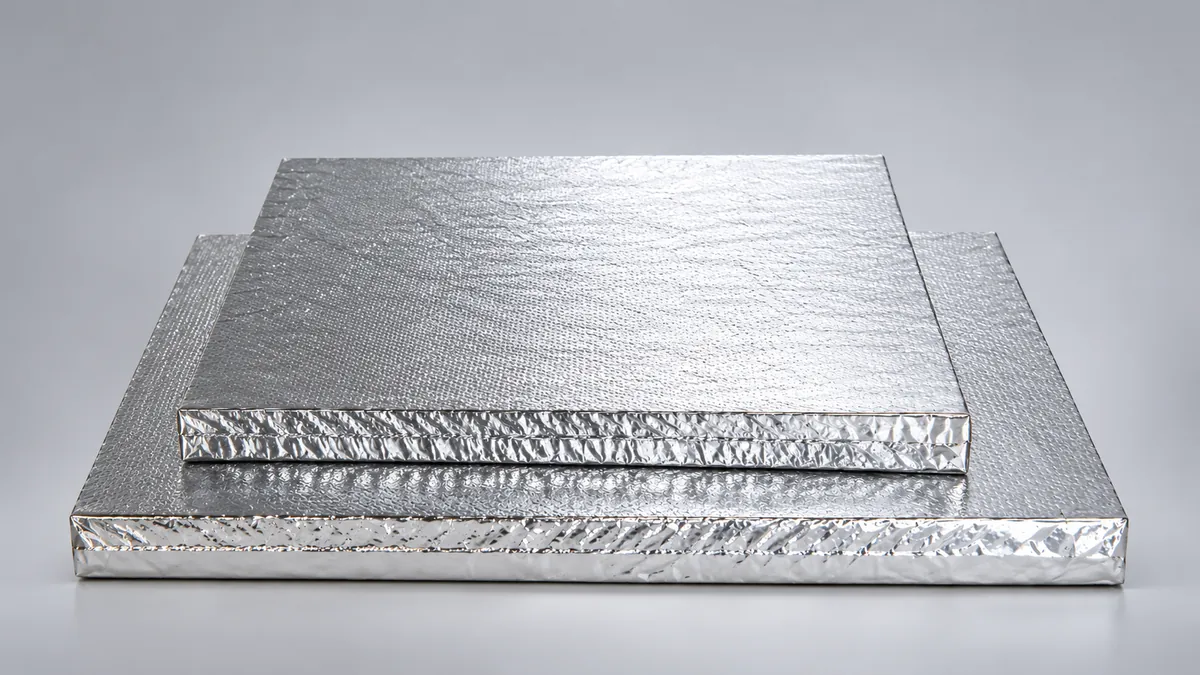
Microporous Insulation Board Plant at a Glance
| Typical capacity | ~200–2,000 TPA |
|---|---|
| Land | ~1–3 acres |
| Power load | ~300 kW–1 MW |
| Water | Low |
| Manpower | ~15–50 |
| Indicative investment | ~₹5–30 crore |
Investment basis: excludes land.
Figures are indicative ranges. Your project report works them out for your capacity and location.
Market Demand for Microporous Insulation Boards in India
Demand comes mainly from industries that run very hot and want to save energy. Steel plants use the boards in ladles and tundishes, while glass and aluminium units and fire protection applications add further volume. Export potential is medium, so most early sales are domestic. Clusters of buyers sit in Gujarat, Maharashtra, Jharkhand and Odisha.
- Steel plants needing ladle and tundish insulation
- Refractory installers who supply and fit lining systems
- Furnace makers building insulation into new equipment
- Glass and aluminium producers running high-temperature lines
Microporous Insulation Board Products You Can Make
Rigid boards are the usual starting product, since they come straight off the press. Machined shapes and encapsulated panels suit furnace makers who need parts cut to drawings, while flexible panels serve irregular surfaces.
- Rigid boards, flexible panels, machined shapes, encapsulated panels
Microporous Insulation Board Plant Process
The process starts with dry blending of fumed silica, opacifiers and reinforcing fibres, then moves to compaction in moulds and pressing. Boards are then cured or heat treated, machined to size and packed. Hydraulic pressing lines form the core of the plant, and machining adds the ability to supply shapes. Quality control matters most at the testing stage. Buyers will ask for thermal conductivity at temperature, density and compressive strength, so a small test setup should be planned from the start. Consistent blending is what keeps these results repeatable from batch to batch.
- Dry blending
- Compaction in moulds
- Pressing
- Curing or heat treatment
- Machining
- Packing
Raw Materials and Machinery for the Plant
Fumed silica is the main input and is largely imported, so supplier choice shapes your cost and lead times. Opacifiers such as silicon carbide and titania, plus reinforcing fibres, complete the mix. High-shear mixers and hydraulic presses are the machines that matter most, followed by ovens and CNC cutting.
- High-shear mixers
- Hydraulic presses
- Ovens
- CNC cutting
Microporous Insulation Board Plant Licence and Approvals
Start with business registration and a factory licence, then apply for consent to establish from the State Pollution Control Board before construction. Dry pressing of mineral insulation is generally Green or Orange because of dust, so the final category depends on your process and dust control. Consent to operate follows once the plant is built. No QCO applies to this product.
| Pollution category | Dry pressing of mineral insulation is generally Green or Orange (dust) |
|---|---|
| HSN code | 6806 (mineral insulating materials) |
| GST | 18% |
| BIS / quality control order | No QCO |
| Other licences | Factory licence |
Choosing the Right Microporous Insulation Board Plant Size
Capacity here runs from about 200 to 2,000 TPA, and investment from roughly ₹5–30 crore, excluding land. A smaller unit suits a first entry with rigid boards and a few steel-plant customers. A larger one needs more land, power and manpower, and makes sense only when orders are secured. Your project report can compare both scales for your location.
Securing Fumed Silica Supply
Because fumed silica is largely imported, supply and price swings are your biggest sourcing risk. Plan for more than one supplier and hold enough stock to cover shipping delays. Opacifiers and fibres need the same discipline. Seasonality is low, so steady buying on contract is easier than for farm-based inputs.
Government Schemes and Project Finance
State incentives may apply, and import substitution demand supports local production of these boards. Lenders will want a bankable report with costs, margins and cash flow. NPCS reports are used for bank loans and government programmes such as PMEGP, MSME schemes, Mudra and NABARD-linked projects, subject to each lender's requirements.
What Decides Success in a Microporous Insulation Board Plant
Good operators prove thermal performance and win steel-plant approvals early. The main risk is dependence on imported raw materials. Machining dust is recycled, which helps control waste and cost.
- Test thermal conductivity at temperature before bulk sales
- Start trial supplies with steel-plant approvals in mind
- Line up alternative fumed silica suppliers
- Control dust to protect workers and your pollution category
How NPCS Helps You Set Up a Microporous Insulation Board Plant
Our team supports the decisions that shape this project: capacity, pressing technology, machinery selection, vendor choice and plant layout. We also guide production process planning, installation and commissioning assistance, and prepare the techno-economic feasibility study lenders expect. Reports are tailored to your budget, raw material availability and market area.
NPCS's published client list records 3 assignments on microporous insulation board projects between 2019 and 2026 for clients in 3 states, including techno-economic feasibility studies.
What Your Microporous Insulation Board Plant Project Report Covers
- Project introduction and BIS specifications
- Manufacturing process with flow sheet
- Market survey (demand, imports/exports, existing units)
- Personnel
- Plant and machinery with suppliers
- Land and building with layout
- Raw materials with sources and rates
- Financials (project cost, working capital, cost of production, profitability, break-even, 5–10 year cash flow, projected balance sheet, IRR/NPV/payback)
Microporous Insulation Board Plant: Frequently Asked Questions
How much does it cost to set up a microporous insulation board plant?
An indicative investment is ~₹5–30 crore, excluding land, depending on capacity and machinery. A plant of about 200–2,000 TPA sits in this range. Your project report works out the exact figure for your capacity and location.
Which licences are needed for a microporous insulation board plant?
You need a factory licence and State Pollution Control Board consent. Dry pressing of mineral insulation is generally Green or Orange because of dust. No QCO applies, and FSSAI is not relevant to this product.
How much land and power does a microporous insulation board plant need?
Typically about 1–3 acres of land and a power load of roughly 300 kW to 1 MW, depending on capacity. Water requirement is low. These are indicative figures, so confirm them against your planned production line.
How do I start a microporous insulation board plant business?
Begin with a feasibility study covering capacity, technology and import sourcing of fumed silica. Then register the business, secure consent to establish, order machinery and line up steel-plant trials. A detailed project report ties these steps together.
How can NPCS help with a microporous insulation board plant project?
NPCS prepares the project report and feasibility study, and supports machinery selection, vendor choice, plant layout and commissioning assistance. Share your planned capacity and location, and our team will outline the project cost and approvals.