
 Grasim Industries (Century Rayon)
 Jindal Woollen Industries
 Tata Steel
 JSW Steel
 ITC (Agri Business Division)
 Godrej & Boyce
 Aditya Birla Management Corporation
 Thermax (Chemical Division)
A tannery turns raw hides and skins into wet-blue, crust and finished leather for footwear makers, garment units and leather goods manufacturers. Most entrepreneurs who work with a leather processing consultant want to know how to meet effluent rules inside a CETP-linked cluster before they commit capital. Our team at NPCS helps you size the plant, choose between chrome and vegetable tanning, line up approvals and prepare a project report that lenders can read.
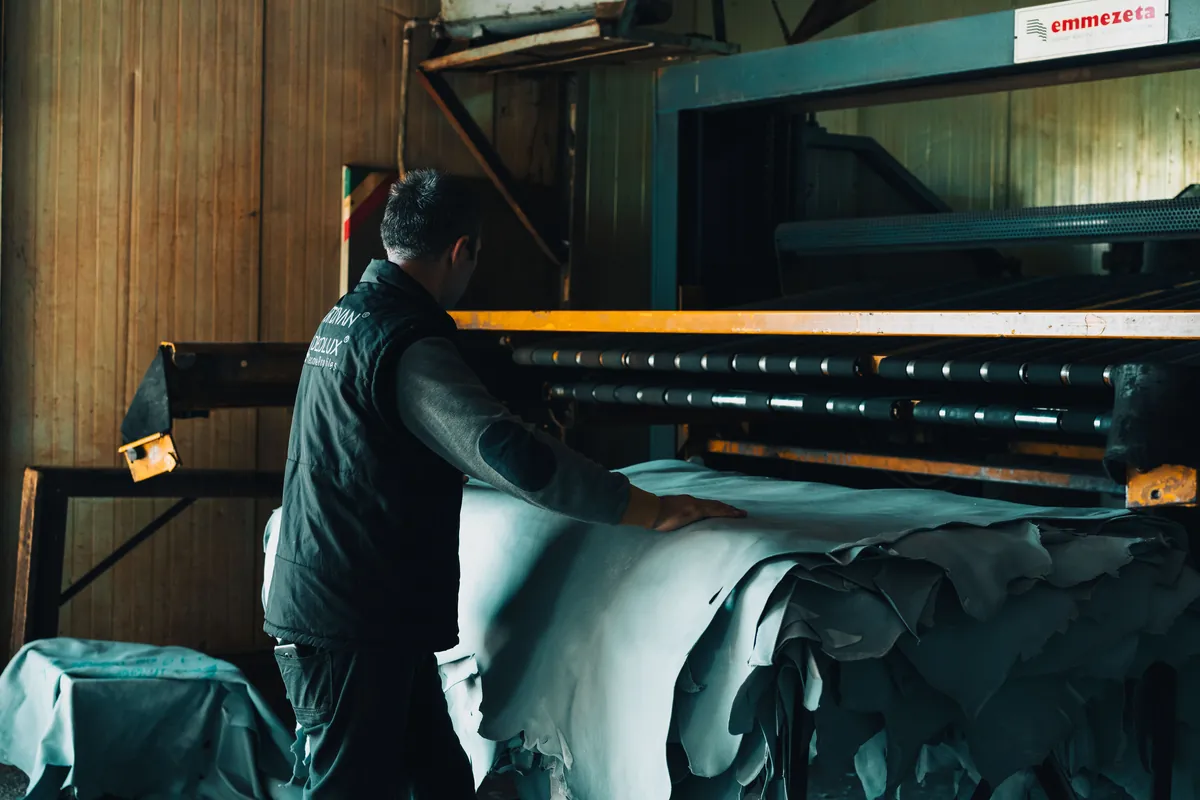
Leather Processing at a Glance
| Typical capacity | ~2–30 tonnes of hides per day |
|---|---|
| Land | ~1–5 acres (in a leather park or cluster) |
| Power load | ~300 kW–2 MW |
| Water | Very high (CETP or ZLD) |
| Manpower | ~40–300 |
| Indicative investment | ~₹5–80 crore |
Investment basis: excludes land.
Figures are indicative ranges. Your project report works them out for your capacity and location.
Market Demand for Leather Processing in India
Demand for processed leather follows footwear exports and leather goods. Buyers are mostly footwear and leather goods makers and exporters, and the leather goes into footwear, garments, bags, accessories and upholstery. Export potential is high, so many units plan around overseas buyers from the start.
The industry sits in a few established clusters, which matter because shared effluent treatment is part of the business model.
- Kanpur and Unnao in Uttar Pradesh
- Ambur-Vellore-Ranipet in Tamil Nadu
- Kolkata (Bantala) in West Bengal
Leather Types a Tannery Can Produce
Most new units begin with wet-blue or crust leather and add finishing later. Finished leather suits buyers who want ready-to-cut stock, while vegetable-tanned leather serves a narrower, specialised market. Cow, buffalo, goat and sheep hides each lead to different end uses.
- Wet-blue, crust and finished leather (cow, buffalo, goat, sheep), vegetable-tanned leather
Leather Processing Process and Quality Control
The leather processing process moves hides from soaking through liming, tanning and dyeing to drying and finishing. Chrome tanning is the common route, while vegetable tanning is chosen for specialised leather. Chrome recovery systems cut waste and help with compliance.
Quality is checked at the end and against buyer needs. Typical tests cover chrome content, tensile and tear strength and colour fastness. Export buyers also ask for restricted-substance (RSL) tests, so plan your testing arrangements early.
- Soaking
- Liming and dehairing
- Deliming and bating
- Pickling
- Tanning (chrome or vegetable)
- Sammying and splitting
- Retanning and dyeing
- Drying
- Finishing
Raw Materials and Machinery for a Tannery
Your main inputs are raw hides and skins, which are sourced from Uttar Pradesh, Tamil Nadu and West Bengal. You also need chrome or vegetable tanning agents, dyes, fatliquors and salt. Among the machines, drums, splitting and shaving machines and the finishing line decide output and quality.
- Drums
- Fleshing
- Splitting and shaving machines
- Setting machines
- Dryers
- Spray and roller coating
- Plating press
Licences and Approvals for a Leather Processing Unit
Tanneries fall in the Red pollution category, so approvals decide your timeline. Secure a plot and cluster or CETP membership first, then apply for consent to establish before construction. Consent to operate follows once the plant is built.
Check these separately:
- CETP membership, or ZLD where the cluster requires it
- Environmental Clearance where applicable
- Hazardous waste authorisation for chrome sludge
| Pollution category | Tanneries are Red; most clusters require CETP membership or ZLD |
|---|---|
| HSN code | 4104–4107 (tanned or crust leather) |
| GST | Classification-dependent by form; applied in the project financials |
| BIS / quality control order | No QCO |
| Other licences | CETP membership; Environmental Clearance where applicable; hazardous waste authorisation (chrome sludge) |
Choosing the Right Tanning Technology
Chrome tanning is the common route and suits buyers who want volume wet-blue and finished leather for footwear and goods. Vegetable tanning gives a different product for a narrower market. In practice, your choice should follow your buyers, your cluster's effluent rules and the chrome recovery system you can run reliably.
Choosing the Right Plant Size for a Tannery
Indicative capacity runs from about 2 to 30 tonnes of hides per day, with investment of about ₹5–80 crore excluding land. A smaller unit keeps effluent load and manpower manageable. A larger one needs more land, power and treatment capacity. Check your CETP's spare capacity before you fix the size.
Government Schemes and Project Finance for Leather Processing
Relevant support includes the Indian Footwear and Leather Development Programme (IFLDP) and the mega leather clusters. NPCS reports are used for bank loans and government programmes such as PMEGP, MSME schemes, Mudra and NABARD-linked projects, subject to each lender's requirements. A bankable report shows costs, effluent arrangements and cash flow clearly.
What Decides Success in a Leather Processing Business
Strong tanneries get effluent compliance and buyer certifications right. Strict pollution controls are the main challenge, so plan for them early.
Also plan for these points:
- Buyer certification such as LWG
- Raw hide supply that peaks after festivals
- Sale of chrome sludge and trimmings used for gelatin and glue
How NPCS Helps You Set Up a Leather Processing Unit
If you're asking how to start a leather processing business, our team begins with capacity, technology and cluster choice. We then support machinery selection, vendor selection, plant layout and production process guidance. We also help with installation and commissioning, and prepare a leather processing project report built around your location and approvals.
NPCS's published client list records 5 assignments on leather processing projects between 2013 and 2016 for clients in 3 states, including bankable project reports, techno-economic feasibility studies and market research reports.
What Your Leather Processing Project Report Covers
- Project introduction and BIS specifications
- Manufacturing process with flow sheet
- Market survey (demand, imports/exports, existing units)
- Personnel
- Plant and machinery with suppliers
- Land and building with layout
- Raw materials with sources and rates
- Financials (project cost, working capital, cost of production, profitability, break-even, 5–10 year cash flow, projected balance sheet, IRR/NPV/payback)
Leather Processing: Frequently Asked Questions
What is the leather processing setup cost in India?
Indicative investment is about ₹5–80 crore, excluding land, depending on capacity and technology. Effluent treatment and finishing equipment affect the figure strongly. A project report works out the cost for your capacity and location.
Which pollution category applies to a tannery?
Tanneries are Red category. Most clusters require CETP membership or ZLD. You'll also need hazardous waste authorisation for chrome sludge and Environmental Clearance where applicable, so confirm requirements with the State Pollution Control Board early.
How much land and power does a tannery need?
A tannery typically needs about 1–5 acres in a leather park or cluster, and about 300 kW–2 MW of power. Water use is very high, which is why CETP or ZLD arrangements matter. Exact needs depend on capacity.
How do I start a leather processing business?
Start by fixing capacity, tanning route and cluster. Then secure a plot and CETP membership, apply for consent to establish, choose machinery and arrange finance. A detailed project report ties these decisions together before you commit funds.
How can NPCS help with a tannery project?
NPCS prepares detailed project reports, feasibility studies and market research for tanneries. Our team also guides machinery and vendor selection, plant layout and commissioning. Share your capacity and location, and we'll outline the approvals and project cost.