
 Tata Steel
 JSW Steel
 ITC (Agri Business Division)
 Godrej & Boyce
 Aditya Birla Management Corporation
 Grasim Industries (Century Rayon)
 Thermax (Chemical Division)
 UPL
Galvanisers, oxide makers and battery manufacturers all generate dross and ash that still carry valuable metal. A lead and zinc recovery from dross plant consultant helps you turn that waste into zinc metal, zinc oxide and lead alloys. Entrepreneurs choose this project because supply comes from established galvanising and battery clusters, and the products go back to the same industries. NPCS supports you with technology choice, plant sizing, hazardous waste approvals and a bankable project report.
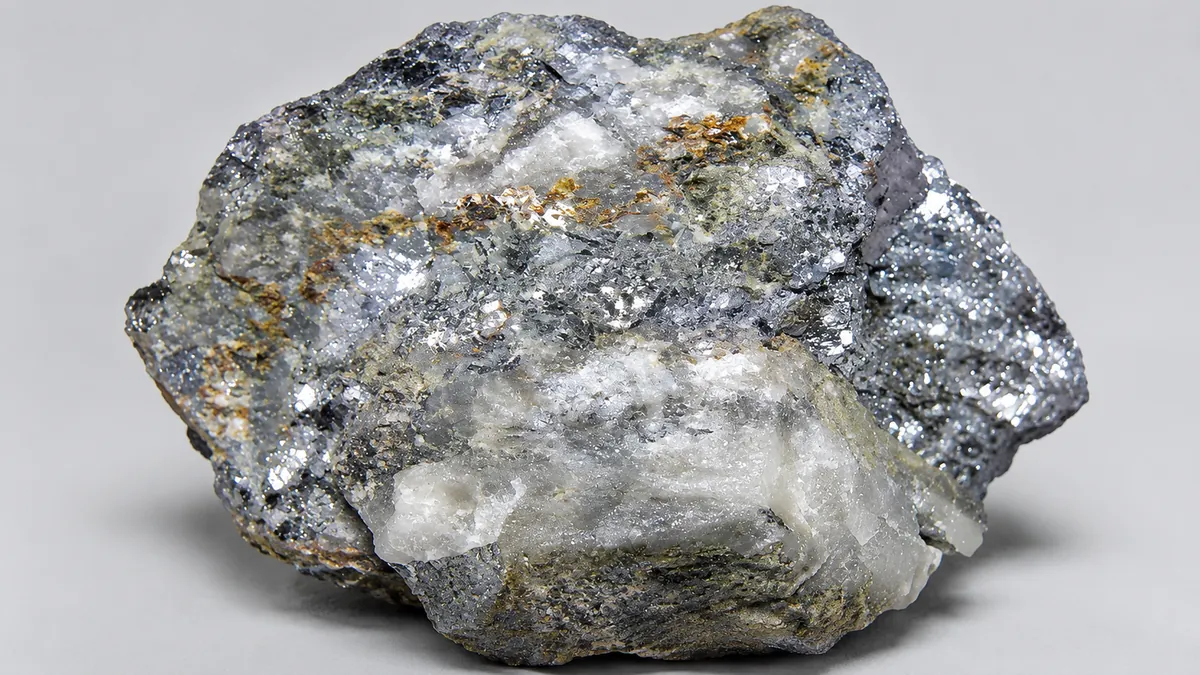
Lead and Zinc Recovery from Dross Plant at a Glance
| Typical capacity | ~1,000–15,000 TPA |
|---|---|
| Land | ~2–6 acres |
| Power load | ~300 kW–2 MW |
| Water | Low |
| Manpower | ~15–60 |
| Indicative investment | ~₹3–30 crore |
Investment basis: excludes land.
Figures are indicative ranges. Your project report works them out for your capacity and location.
Market Demand for Lead and Zinc Recovery from Dross in India
Demand for recovered zinc and lead follows metal prices and the growth of galvanising. Recovered metal and oxide go to three main buyer groups. The industry sits mainly in Gujarat, Maharashtra, Punjab, Uttar Pradesh and Tamil Nadu, where dross is generated close to the plant. Export potential is low and seasonality is low, so most plants plan around steady domestic sales.
- Galvanisers who buy zinc metal for their baths
- Zinc oxide and chemical makers who need oxide feed
- Battery makers who use lead metal and alloys
Products You Can Make from Dross
Most units start with recovered zinc metal or lead metal because buyers are easy to find. Zinc oxide suits chemical makers, while zinc dust is an allied product you can add once the main lines run steadily.
- Recovered zinc metal and zinc oxide, lead metal and alloys, zinc dust (allied)
Lead and Zinc Recovery from Dross Process
The process starts with sorting and crushing the dross, then melting it so metal separates from slag. From there, zinc goes to distillation and lead to smelting, followed by refining and casting. Oxide producers can instead use a leaching route. Quality control focuses on metal purity and oxide grade, so test every batch before it is sold. The choice between melting and leaching shapes your furnace, effluent and emission design.
- Sorting and crushing
- Melting and liquation
- Distillation (zinc) or smelting (lead)
- Refining
- Casting; or leaching routes for oxides
Raw Materials and Machinery for Dross Recovery
Your input is zinc dross and ash from galvanisers, plus lead dross and ash from battery and smelting units. Sourcing works best near galvanising and battery clusters across states. Key machines include crushers, sieves, melting furnaces, distillation retorts and refining kettles. Bag filters deserve early attention because they control emissions from the furnaces.
- Crushers
- Sieves
- Melting furnaces
- Distillation retorts
- Refining kettles
- Casting
- Bag filters
Licences and Approvals for a Lead and Zinc Recovery from Dross Plant
Non-ferrous metal recovery from hazardous waste is Red category, so approvals take planning. Begin with business registration, then apply to the State Pollution Control Board for consent to establish before construction. Registration under the Hazardous and Other Wastes Rules is needed for recycling, since dross and ash are listed. Consent to operate follows once the plant is built, and CPCB guidelines for environmentally sound recycling apply. No QCO applies to this project.
| Pollution category | Non-ferrous metal recovery from hazardous waste is Red |
|---|---|
| HSN code | 7902 (zinc waste), 7802 (lead waste), 7901, 7801 (metal) |
| GST | 18% |
| BIS / quality control order | No QCO |
| Other licences | Registration under the Hazardous and Other Wastes Rules for recycling (dross and ash are listed); CPCB guidelines for environmentally sound recycling |
Choosing the Right Recovery Technology
Pyrometallurgical recovery melts and distils dross to give metal, and it suits buyers who want zinc or lead ingots and alloys. Leaching converts the metal to zinc sulphate or oxide, which suits chemical customers. Your choice depends on the dross you can secure, the products you can sell and the effluent or emission systems you can afford and manage.
Choosing the Right Plant Size
Plants typically range from about 1,000 to 15,000 TPA, with indicative investment of ~₹3–30 crore excluding land. A smaller unit needs less dross and fewer people, but fixed compliance work stays similar. Larger plants need firm supply contracts and more power, up to about 2 MW. Size the plant to the dross you can actually contract.
Government Schemes and Project Finance
The metal recycling policy and state incentives may support this project, depending on your location and eligibility. Banks look closely at dross supply, waste compliance and cash flow. NPCS reports are used for bank loans and government programmes such as PMEGP, MSME schemes, Mudra and NABARD-linked projects, subject to each lender's requirements.
What Decides Success in a Lead and Zinc Recovery from Dross Plant
Good operators secure dross early and control emissions well. The main risk is hazardous waste compliance, including disposal of residues at a TSDF.
- Sign dross supply contracts before building
- Install emission control from day one
- Budget for residue disposal at a TSDF
- Keep waste records ready for inspection
How NPCS Helps You Set Up a Lead and Zinc Recovery from Dross Plant
NPCS helps you decide capacity, choose between melting and leaching, and select machinery and vendors. Our team supports plant layout, approvals planning and the financial model that lenders expect. We can also assist with installation and commissioning, so the plant you build matches the lead and zinc recovery from dross plant project report you started with.
NPCS's published client list records 5 assignments on lead and zinc recovery from dross projects between 2018 and 2021 for clients in 5 states, including detailed project reports, bankable project reports and techno-economic feasibility studies.
What Your Lead and Zinc Recovery from Dross Plant Project Report Covers
- Project introduction and BIS specifications
- Manufacturing process with flow sheet
- Market survey (demand, imports/exports, existing units)
- Personnel
- Plant and machinery with suppliers
- Land and building with layout
- Raw materials with sources and rates
- Financials (project cost, working capital, cost of production, profitability, break-even, 5–10 year cash flow, projected balance sheet, IRR/NPV/payback)
Lead and Zinc Recovery from Dross Plant: Frequently Asked Questions
How much investment is needed to start a lead and zinc recovery from dross plant?
Indicative investment is about ₹3–30 crore, excluding land, depending on capacity and technology. Plants typically run from about 1,000 to 15,000 TPA. Your project report works out the cost for your capacity, route and location.
Which pollution category applies to dross recovery?
Non-ferrous metal recovery from hazardous waste is Red category. You need consent to establish and consent to operate from the State Pollution Control Board, plus registration under the Hazardous and Other Wastes Rules for recycling.
How much land and power does a dross recovery plant need?
A plant typically needs about 2–6 acres and a power load of about 300 kW–2 MW. Water requirement is low. These are indicative figures and change with capacity and the recovery route you choose.
How to start a lead and zinc recovery from dross plant business?
Begin with a feasibility study covering dross supply, technology and buyers. Then fix location, register the business, apply for pollution and hazardous waste approvals, arrange finance and order machinery. Securing dross contracts early reduces risk.
How does NPCS help with a dross recovery project?
NPCS prepares detailed project reports, feasibility studies and market research for this project. Our team also guides technology choice, machinery selection, vendor selection, plant layout and approvals planning, so your plan is ready for lenders and regulators.